




Innerspark.us – Pricing fine art prints for maximum profit requires a strategic blend of your cost of goods sold (COGS), perceived market value, and a consistent markup multiplier that ensures healthy margins without alienating your target audience.
Many artists fall into the trap of pricing their work based solely on what they think is “affordable,” rather than calculating the actual overhead required to sustain a professional practice. To achieve profitability, you must move beyond guesswork and adopt a formulaic approach that accounts for every minute of your time and every cent spent on production.
The Fundamental Pricing Formula
Your base price should always begin with a comprehensive audit of your expenses. If you are not tracking these, you are essentially gambling with your income. The standard formula for a sustainable art business is: (Materials + Labor + Overhead) x Profit Margin = Retail Price.
Materials include the cost of high-quality paper, archival inks, protective sleeves, and rigid mailers. Labor refers to the time spent editing files, printing, quality checking, signing, and packaging. Overhead covers your website hosting fees, studio rent, software subscriptions, and marketing expenses. Failing to include these hidden costs is the most common reason artists struggle to scale their businesses.
Understanding Market Positioning
Pricing is as much about psychology as it is about math. If your prints are priced too low, customers may subconsciously perceive them as low-quality or lacking prestige. If they are priced too high without a corresponding brand reputation, you will face low conversion rates.
Researching your niche is vital. Look at artists with similar experience levels, aesthetic styles, and print sizes. You do not need to be the cheapest option; in fact, being the cheapest often leads to a “race to the bottom” where you must sell thousands of units just to break even. Aim for the mid-to-high range to maintain a premium brand image while ensuring your profit margins can absorb marketing costs like paid social media ads.
Comparative Profitability Matrix
The following table illustrates how different print sizes and production methods affect your bottom line. These figures assume a standard 50% profit margin target after all expenses are met.
| Print Size | Production Cost | Recommended Retail Price | Gross Profit Per Unit |
|---|---|---|---|
| 8×10 Inch | $6.50 | $25.00 | $18.50 |
| 11×14 Inch | $10.25 | $45.00 | $34.75 |
| 16×20 Inch | $18.00 | $85.00 | $67.00 |
| 24×36 Inch | $35.00 | $160.00 | $125.00 |
Step-by-Step Execution for Pricing Success
Transitioning to a profit-first pricing model requires discipline. Follow these steps to audit and adjust your current pricing structure:
- Calculate your total hourly rate by dividing your desired annual income by the number of hours you spend on business-related tasks, not just art creation.
- Itemize every physical component of your print production, including the cost of shipping labels and bubble mailers, to determine the exact unit cost.
- Apply a consistent markup multiplier across your entire collection; a 3x to 4x markup on the cost of goods is generally recommended for retail fine art.
- Review your conversion rates after 30 days; if sales are too high, your prices may be too low, suggesting room to increase them by 10-15%.
- Implement a tiered pricing strategy where limited edition prints are priced significantly higher than open edition prints to create scarcity and value.
Common Pricing Mistakes to Avoid
One of the most frequent errors is failing to account for platform fees. If you sell through third-party marketplaces, they will take a percentage of your total sale price, including shipping. If your price is $50 and the platform takes 10%, you have already lost $5 before considering the cost of the print itself. Always price your items to ensure the profit remains intact after these platform deductions.
Another mistake is ignoring shipping as a profit center. Many artists offer “free shipping” to encourage sales, but they fail to build that cost into the print price. If you offer free shipping, your print price must be high enough to cover the postage, or your profit margin will evaporate every time you make a sale.
The Role of Limited Editions
To maximize profit margins, consider introducing limited edition prints. By capping the number of prints available for a specific image, you create artificial scarcity. Collectors are often willing to pay a premium for a numbered and signed print because it feels like an investment rather than a commodity. This allows you to charge 2x or 3x the price of an open edition print, which significantly boosts your overall business profitability with minimal extra production effort.
Frequently Asked Questions
Q: Should I lower my prices if I am not getting enough sales?
A: Not necessarily. Low sales often indicate a marketing or branding issue rather than a pricing issue. Focus on improving your photography, your website copy, or your social media engagement before resorting to discounting, which can damage your brand’s long-term value.
Q: How do I handle price increases for my existing customers?
A: Be transparent and professional. Announce price increases on your social media or newsletter a few weeks in advance, framing it as a result of using higher quality materials or the growing demand for your work. Loyal customers will understand that you are building a professional business.
Q: Does the frame impact the profit margin?
A: Yes, framing is a high-margin service. While it increases shipping complexity, selling framed prints allows you to add a significant markup to the retail price, as it saves the customer the effort of going to a custom framer. Ensure your markup covers the risk of glass breakage during transit.
Ultimately, your pricing strategy should evolve as your career progresses. Do not be afraid to adjust your numbers as you gain more data. Profitability is not a one-time calculation; it is a continuous process of refining your costs and understanding the value your art brings to your collectors.
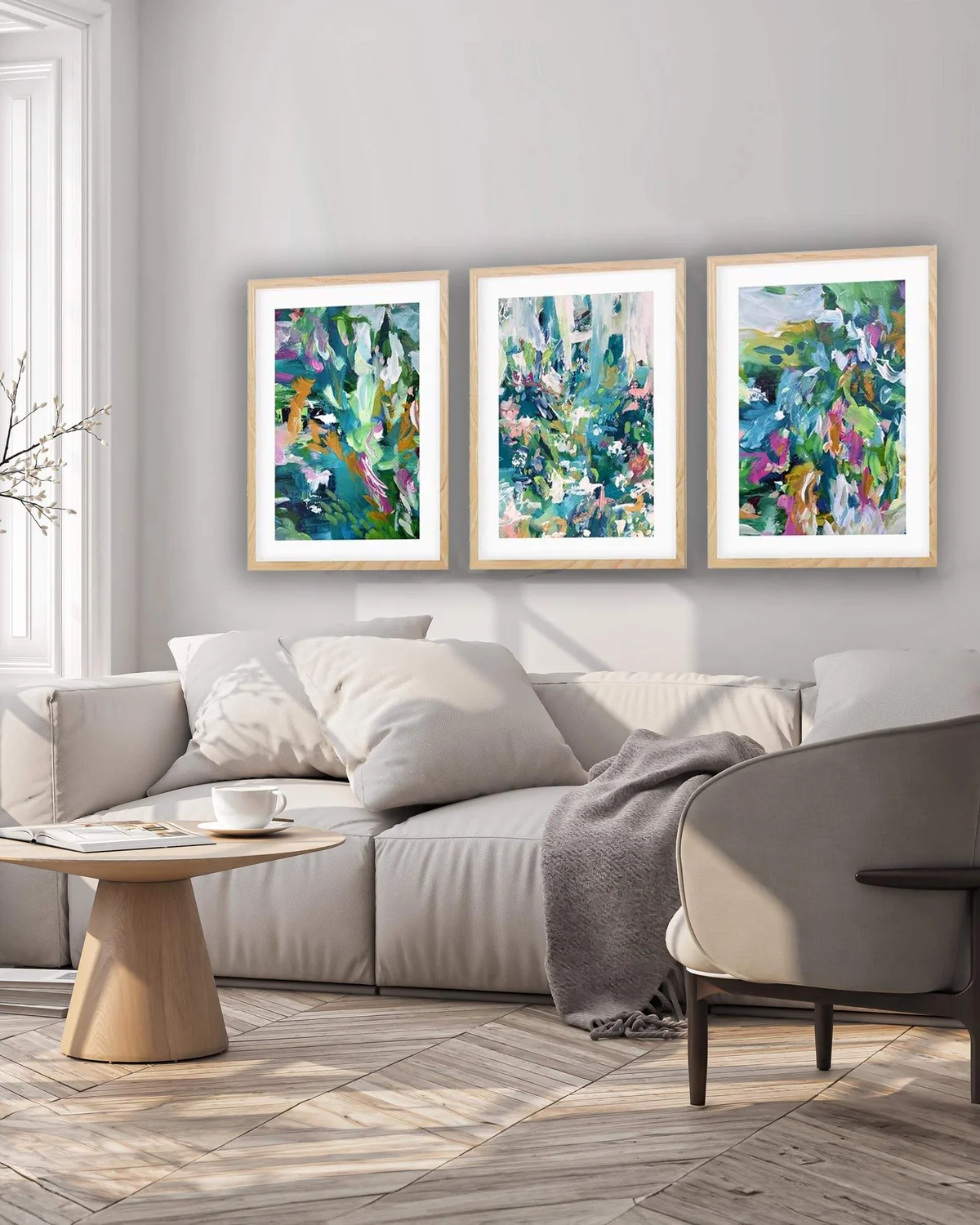
📷 Photo by abstracthouse.com