





Innerspark.us – Professional clients today overwhelmingly prefer digital showcases for accessibility and speed, though physical artist portfolio cases remain a potent tool for high-end, tactile art industries where material quality is a critical selling point.
The debate between a physical portfolio case and a digital showcase is not about which medium is objectively better, but rather about which medium serves the specific needs of your prospective client. In a fast-paced creative market, efficiency is often the top priority, yet the sensory experience of handling a well-crafted physical portfolio can create a lasting emotional connection that a screen simply cannot replicate.
The Case for the Digital Showcase
Digital portfolios are the gold standard for accessibility. Modern clients, especially those in fast-moving industries like graphic design, UI/UX, and marketing, expect to vet a candidate’s work within seconds of opening an email. A digital showcase—whether hosted on a personal website, Behance, or a curated PDF—allows for instant global reach.
One of the primary advantages of digital formats is the ability to include dynamic content. While a traditional case is limited to static images, a digital portfolio can house video walkthroughs, interactive prototypes, and animated graphics. This provides a more comprehensive look at your problem-solving process rather than just the final, polished result.
When the Physical Portfolio Case Wins
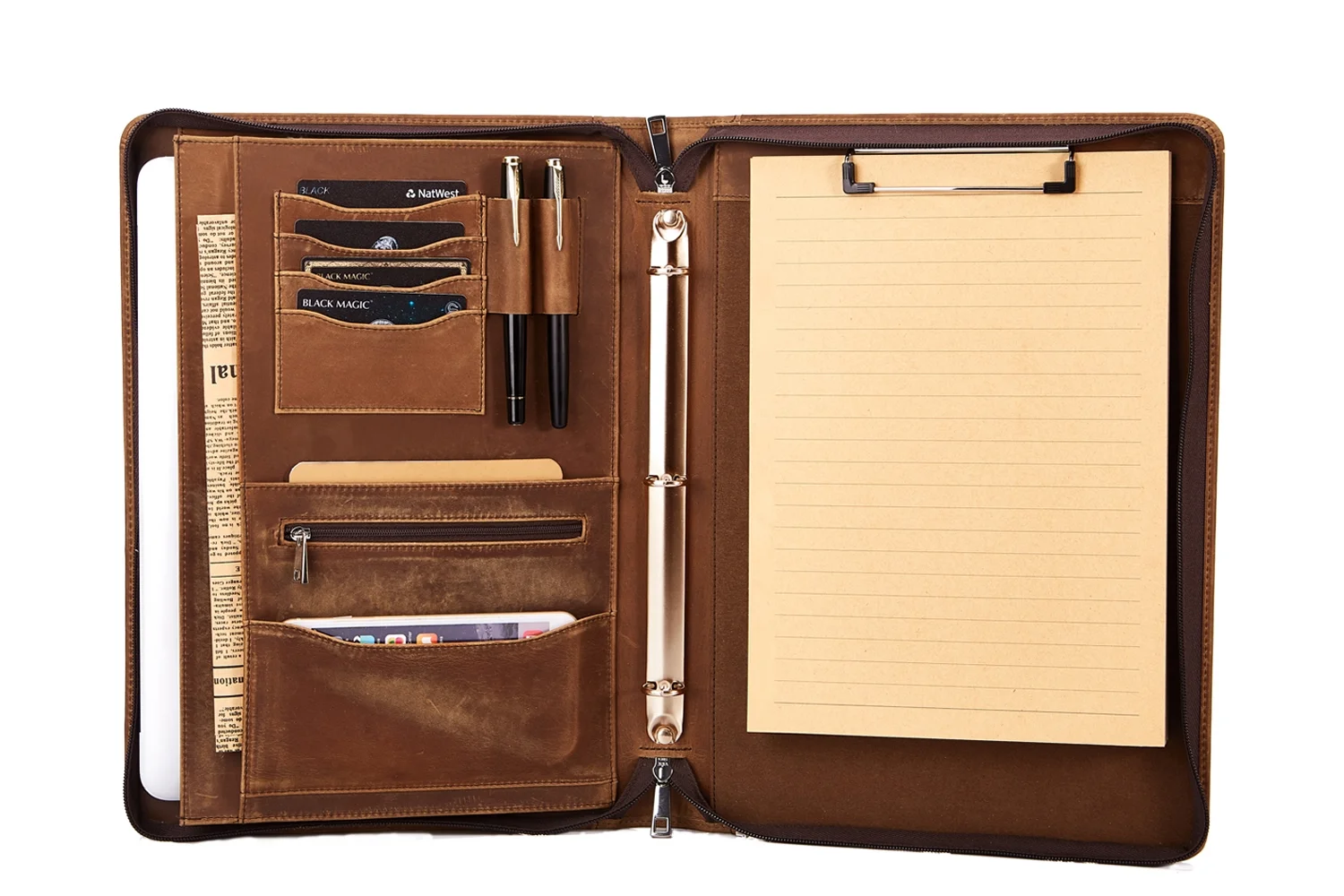
There is a unique psychology behind the physical portfolio. In fields such as fine art, architecture, luxury interior design, and high-end fashion, the physical object itself is a testament to the artist’s attention to detail. When you place a leather-bound, archival-quality portfolio in front of a client, you are signaling that your work is a tangible asset worth investing in.
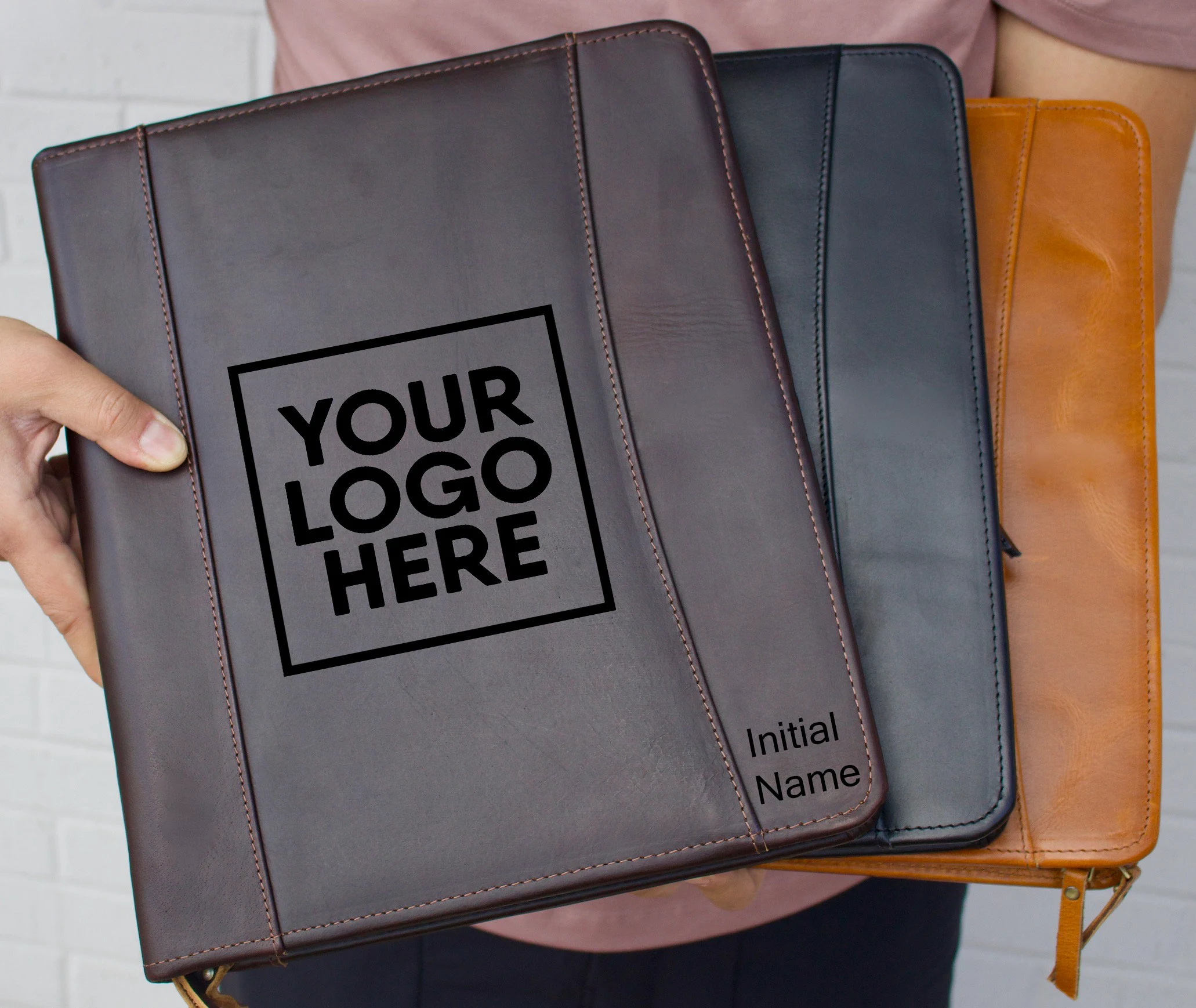
📷 Photo by etsy.com
The physical case also removes the distractions inherent in digital environments. When a client opens your digital portfolio, they are one click away from their inbox, social media, or other competing projects. In a physical meeting, you hold their undivided attention. The tactile interaction—the weight of the paper, the texture of the prints, and the deliberate pacing of flipping through pages—creates a sense of prestige and permanence.
Comparison of Portfolio Formats
| Feature | Digital Showcase | Physical Portfolio Case |
|---|---|---|
| Accessibility | High (Global/Instant) | Low (In-person only) |
| Content Type | Dynamic, Video, Interactive | Static, High-res Prints |
| Cost | Low to Moderate | High (Printing/Materials) |
| Client Perception | Efficient, Tech-savvy | Premium, Professional, Artisanal |
| Updates | Instant | Difficult/Expensive |
Optimizing Your Strategy for Success
You do not have to choose one over the other; in fact, the most successful creatives utilize a hybrid approach. The digital portfolio acts as your “business card” and initial screening tool, while the physical case serves as the “closer” during high-stakes presentations or final interviews.
If you are planning to invest in a physical case, keep these steps in mind to ensure you are maximizing your investment:
- Curate your best work: Limit your physical case to 10–15 of your absolute strongest pieces. Quality always beats quantity in a physical setting.
- Invest in high-quality printing: Never use standard office paper. Use archival-grade, heavy-weight matte or luster paper that makes colors pop and provides a professional feel.
- Consider the viewing experience: Choose a case that lies flat. A case that constantly tries to close while the client is looking at it will create unnecessary friction.
- Add a protective layer: Use clear, non-glare sleeves to protect your prints from fingerprints, especially if you anticipate passing the portfolio around a boardroom table.
- Keep it organized: Arrange your work in a logical narrative flow, such as chronologically or by project type, so the client can follow your professional evolution.
Common Mistakes to Avoid
One of the biggest mistakes artists make is treating the physical portfolio as a “scrapbook.” Including every project you have ever done leads to “portfolio fatigue,” where the client loses interest after the tenth page. Keep the experience concise and impactful.
Conversely, the mistake most common with digital showcases is poor user experience (UX). If your website takes more than five seconds to load, or if your images are not optimized for mobile viewing, you are losing clients before they even see your work. Ensure your digital platform is responsive, clean, and free of broken links.

📷 Photo by etsy.com
The Role of Context in Client Preferences
Ultimately, client preference is dictated by the environment. If you are applying for a remote contract role, a digital link is mandatory. If you are meeting a gallery owner or a luxury brand executive, they may find a digital-only approach to be “cold” or impersonal. Understand your audience before you walk into the room. If you are unsure, ask the client beforehand, “Would you prefer to review my portfolio digitally before we meet, or should I bring a physical presentation to our meeting?” This simple question shows that you are professional and considerate of their time.
Frequently Asked Questions
Q: Should I put my entire work history in my digital portfolio?
A: No, only showcase the work you want to be hired for in the future. Curate your portfolio to reflect the type of projects you desire, rather than everything you have ever done.
Q: Is it unprofessional to use a digital tablet instead of a physical case?
A: A high-end tablet can be a great middle ground. It allows for the interactivity of a digital showcase while maintaining the professional, controlled environment of a physical presentation.
Q: How often should I update my portfolio?
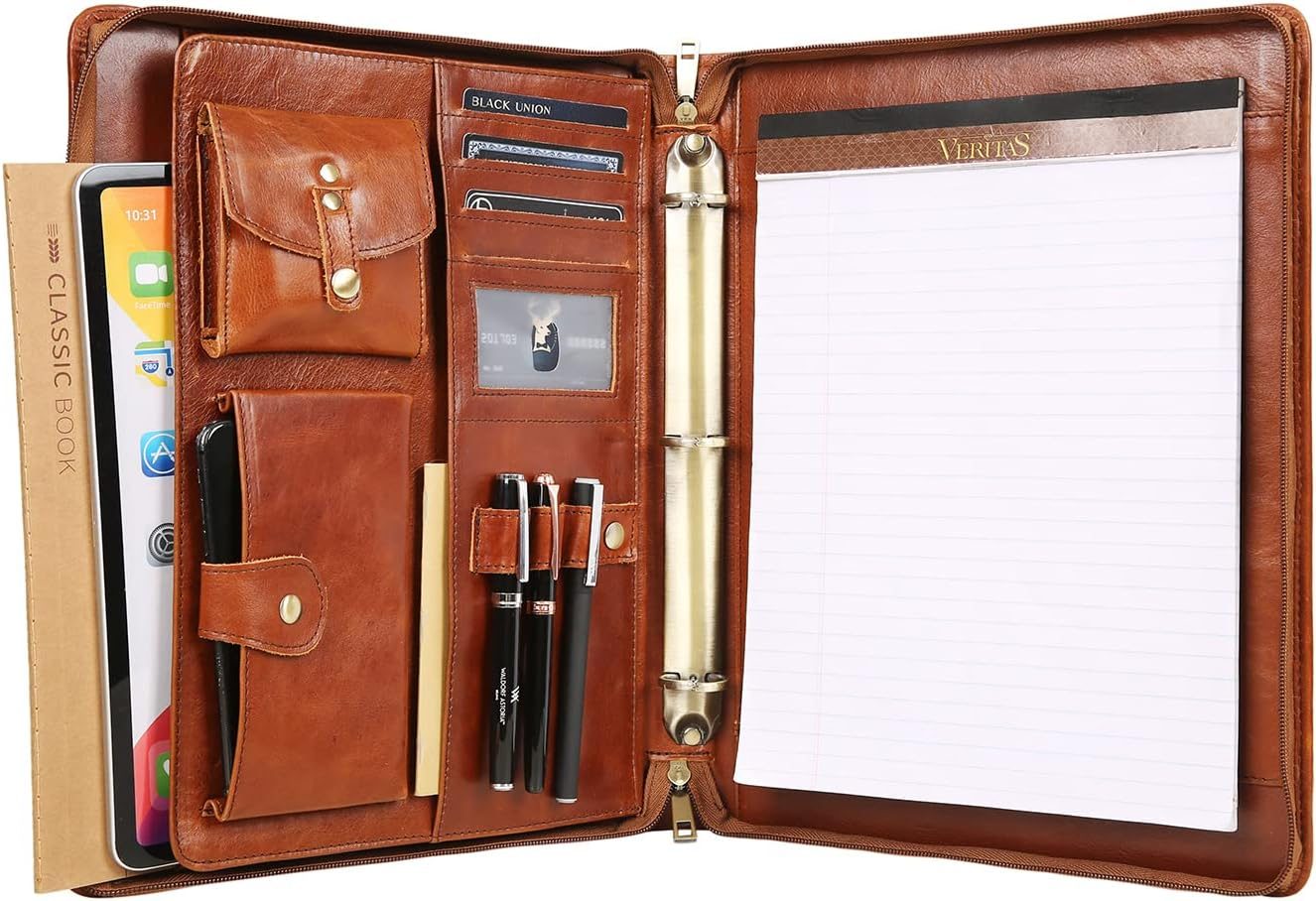
📷 Photo by amazon.com
A: Aim for a refresh every 6 to 12 months. Your portfolio should always represent your current skill level, not your skill level from three years ago.
By balancing the convenience of the digital world with the gravitas of physical presentation, you position yourself as a professional who understands both the medium and the message. Focus on quality, context, and accessibility, and you will find that clients are much more receptive to your creative vision, regardless of the format you choose.
📷 Photo by walmart.com