




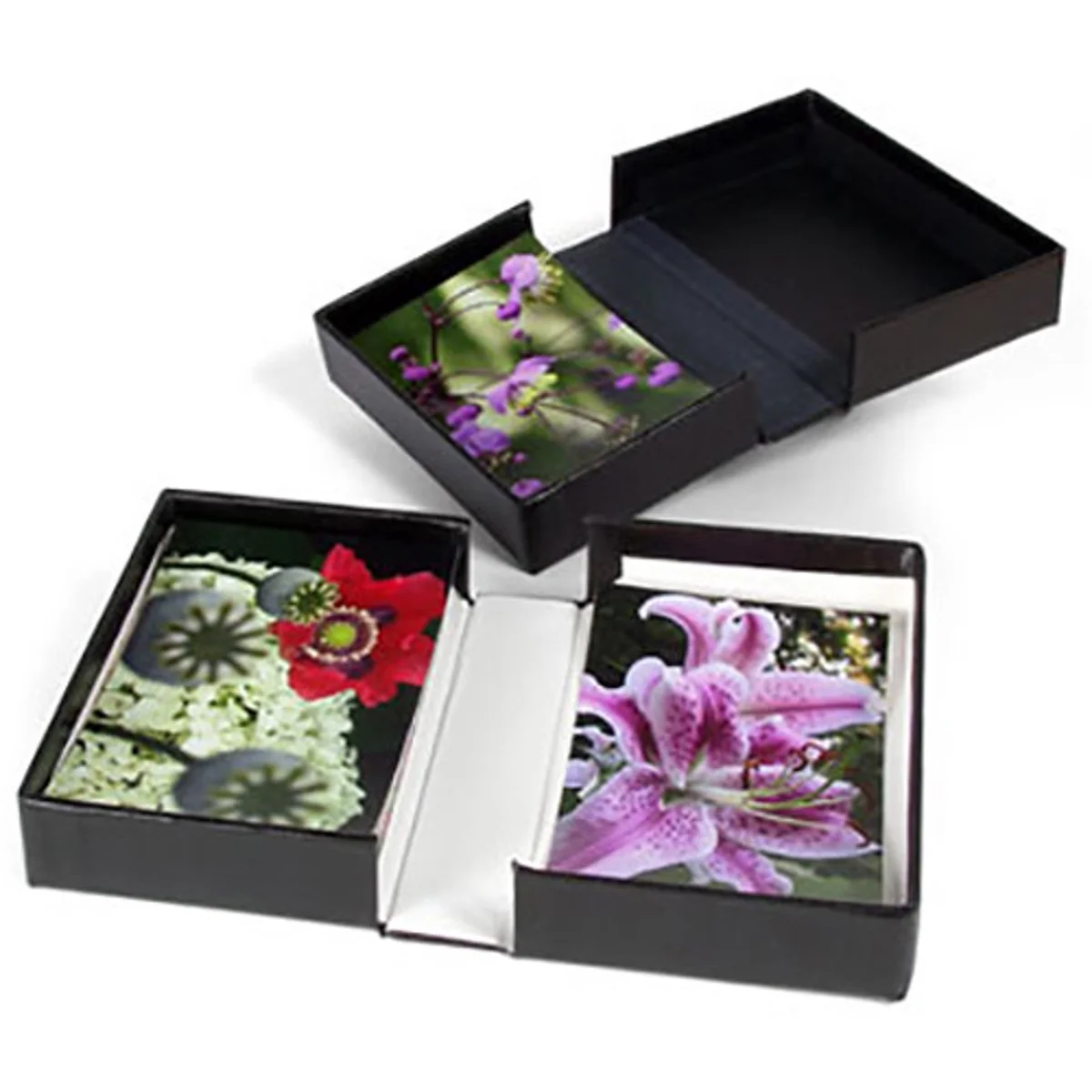
Innerspark.us – A clamshell archival portfolio box provides superior long-term preservation through its acid-free, light-tight construction, while a presentation binder offers superior accessibility and portability for frequently reviewed work.
Choosing between a clamshell archival portfolio box and a presentation binder often comes down to the primary goal of your collection: are you looking to store, preserve, or display? While both tools organize physical media, they serve fundamentally different functions in the lifecycle of a creative project.
Understanding the Clamshell Archival Portfolio Box
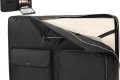
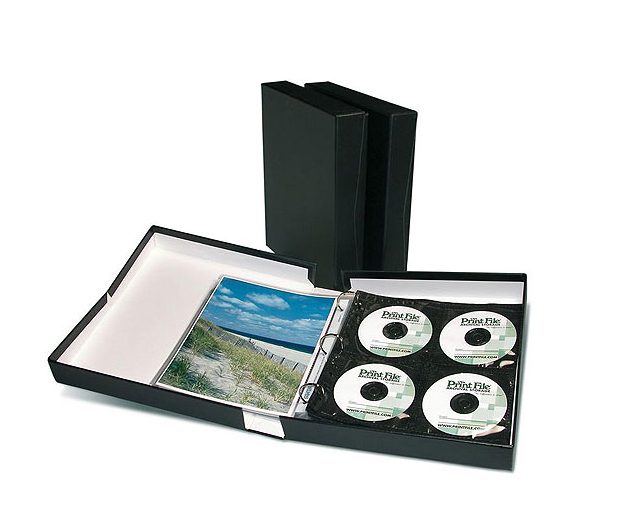
The clamshell box, often referred to as a museum-grade solander case, is the gold standard for archival storage. Its design is characterized by a two-piece construction that opens flat, allowing for easy access to contents without the need to slide items in and out of tight sleeves. Because these boxes are typically constructed from acid-free, lignin-free materials and often feature metal-edge reinforcement, they create a micro-environment that protects against dust, light, and fluctuations in humidity.
These boxes are ideal for loose prints, historical documents, or delicate artwork that should not be handled frequently. By keeping contents flat and unburdened by the pressure of binder rings, you prevent the physical degradation often caused by improper storage.
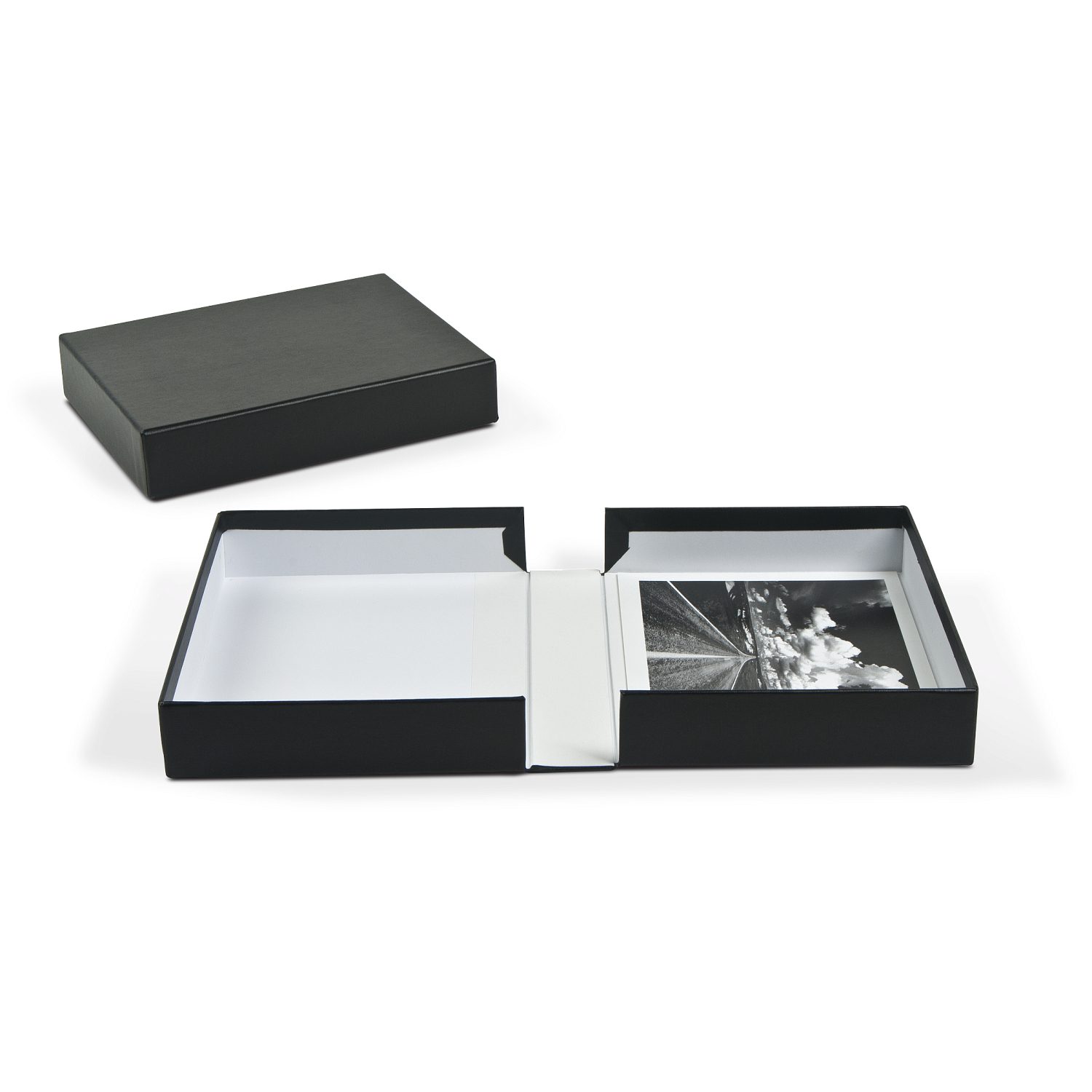
📷 Photo by gaylord.com
The Case for the Presentation Binder
Presentation binders are the workhorses of the professional creative world. They are designed for mobility, client meetings, and quick reference. A binder typically utilizes plastic sleeves or archival-safe pages held together by ring mechanisms. This structure allows you to rearrange your portfolio quickly, add new work, or remove outdated pieces without disturbing the rest of the collection.
However, the convenience of a binder comes with trade-offs. The constant friction of sliding prints into plastic sleeves can damage fragile surfaces, and the mechanical pressure of binder rings can cause “dents” or creases in paper over time. For high-value, long-term archival needs, the binder is often seen as a temporary transit solution rather than a permanent home.
Comparison of Storage Methods
| Feature | Clamshell Archival Box | Presentation Binder |
|---|---|---|
| Primary Purpose | Long-term preservation | Active presentation |
| Accessibility | Low (requires careful handling) | High (easy to flip pages) |
| Protection Level | Excellent (light/dust tight) | Moderate (exposed to light) |
| Portability | Heavy and bulky | Light and ergonomic |
| Material Safety | Archival/Acid-free | Variable (often PVC) |
How to Choose the Right Storage Method
To determine the best solution for your project, consider the frequency of access versus the value of the contents. If you are protecting a master set of photographic prints that will rarely be touched, the clamshell box is non-negotiable. If you are a student or a freelance designer who needs to show their work to three different clients in a single week, the presentation binder is the only practical choice.
Many professionals adopt a hybrid approach. They keep their primary, high-quality prints in a clamshell box, and they create a separate, lower-cost “working” binder for day-to-day meetings. This ensures that the original, pristine work remains untouched by the wear and tear of travel.
Steps to Properly Archive Your Work
Follow these steps to ensure your prints remain in gallery-quality condition when using a clamshell box:
- Clean your workspace thoroughly to remove dust and debris that could scratch delicate surfaces.
- Wear cotton or nitrile gloves when handling prints to prevent natural skin oils from transferring to the paper.
- Place prints in individual archival-grade polyester or polypropylene sleeves before stacking them in the box to provide a secondary layer of protection.
- Ensure the clamshell box is not overfilled; the lid should close completely without putting pressure on the contents.
- Store the box in a cool, dry place away from direct sunlight and external wall moisture.
Common Mistakes to Avoid
One of the most frequent errors is using non-archival binders for long-term storage. Many inexpensive binders contain PVC (polyvinyl chloride), which off-gasses harmful chemicals that can yellow, stick to, or destroy ink and paper over time. If you must use a binder, always verify that the sleeves are labeled “archival safe,” “acid-free,” or “polypropylene.”
Another common mistake is storing boxes in basements or attics. These environments are prone to extreme humidity and temperature fluctuations, which can lead to mold growth or warping, regardless of how well-made your archival box is. Always aim for a climate-controlled room with stable conditions.
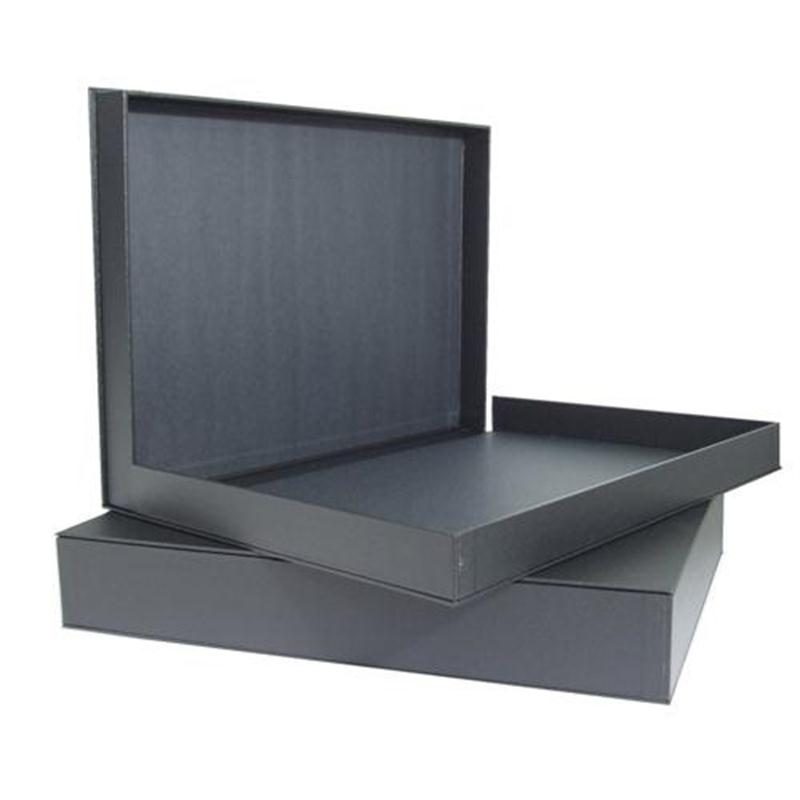
📷 Photo by pullingers.com
Frequently Asked Questions
Q: Can I store my prints in a binder indefinitely?
A: It is not recommended. Over years, the weight of the pages and the tension from the rings can cause physical distortion to the paper, and standard plastic sleeves may eventually react with the ink.
Q: What is the benefit of a metal-edge clamshell box?
A: The metal edges provide structural integrity, preventing the corners of the box from crushing or splitting over time, which ensures the box maintains a tight seal against environmental contaminants.
Q: Is it necessary to use interleaving tissue between prints?
📷 Photo by pfile.com
A: Yes, if you are storing prints loose in a box without individual sleeves, acid-free interleaving tissue acts as a protective barrier to prevent ink transfer and surface abrasion between stacked items.
Ultimately, your choice should reflect the lifecycle of the objects you are keeping. Treat the clamshell box as a safe-deposit box for your creative legacy, and view the presentation binder as a functional tool for your professional journey.
📷 Photo by walmart.com