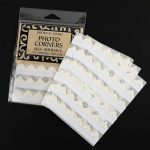


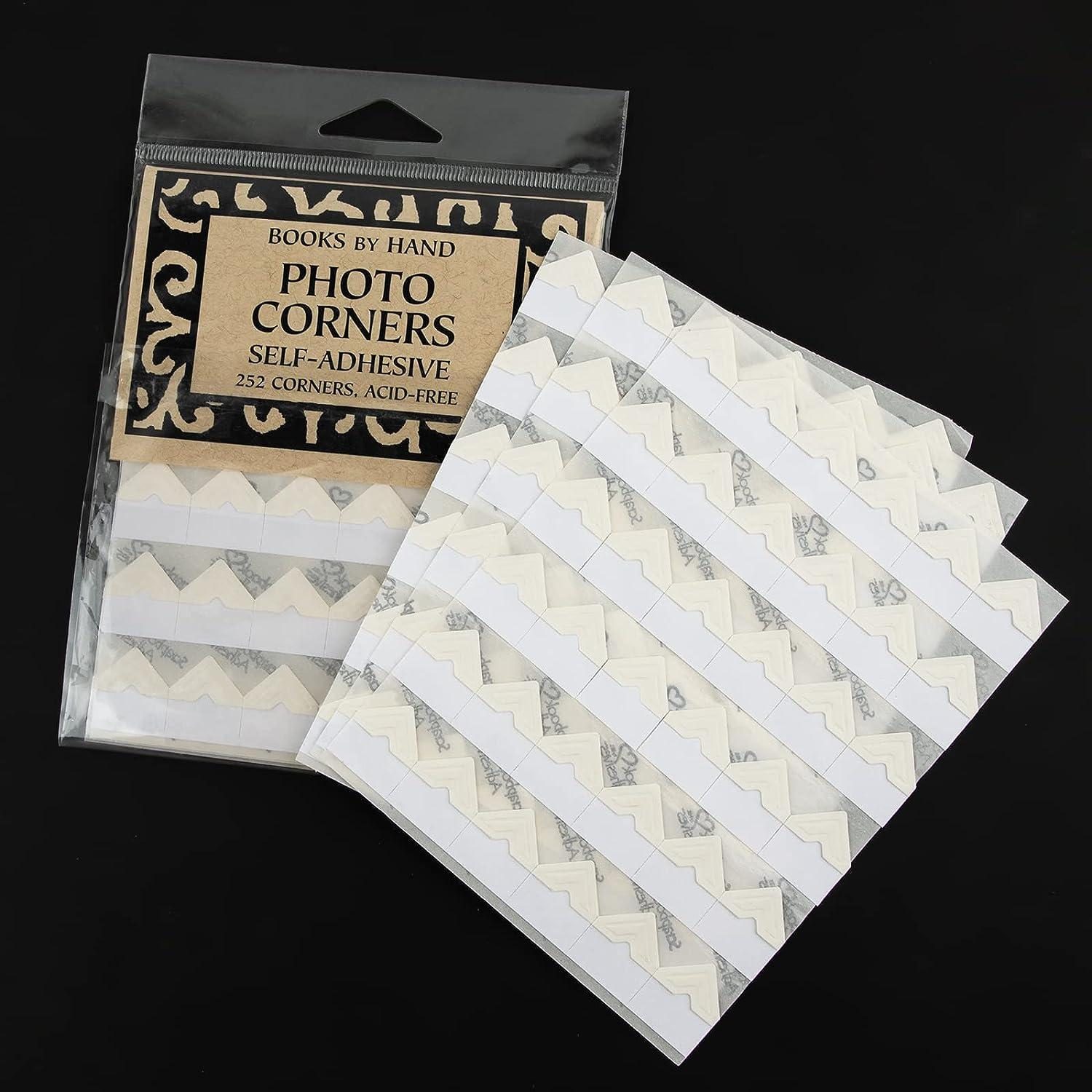
Innerspark.us – Archival corner mounts are protective, adhesive-free sleeves or tabs that secure artwork to a backing board, preventing long-term damage caused by chemical degradation or irreversible bonding agents.
Preserving fine art requires a delicate balance between structural security and chemical neutrality. Traditional mounting methods often involve liquid adhesives, such as spray mounts, rubber cement, or even standard glue sticks. These materials are the primary enemies of longevity. Over time, liquid adhesives can yellow, turn brittle, or leach acidic chemicals into the paper fibers, permanently staining and degrading the artwork. Archival corner mounts offer a professional alternative, ensuring that the piece remains safely positioned while allowing it to expand and contract naturally with changes in humidity.
Why Liquid Adhesives Fail Fine Art
The core issue with liquid adhesives is their permanent nature and chemical instability. When you apply a liquid glue to a piece of art, you are introducing foreign substances into the cellulose structure of the paper. Even products labeled as “acid-free” can eventually undergo chemical changes due to environmental exposure, such as light, temperature fluctuations, and humidity. Once a liquid adhesive is applied, removal is often impossible without damaging the artwork. In contrast, corner mounts rely on mechanical tension or inert pressure-sensitive strips that touch only the edges of the backing board, never the artwork itself.
Types of Archival Corner Mounts
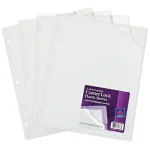
Choosing the right mount depends on the weight and size of your artwork. For lighter prints and photographs, self-adhesive paper corners are the industry standard. For heavier, larger works, polyester (Mylar) corners are preferred because they offer greater strength and complete chemical inertness.
| Mount Type | Best For | Advantage |
|---|---|---|
| Paper Corners | Lightweight prints, photographs | Breathable, acid-free, easy to apply |
| Polyester (Mylar) Corners | Heavyweight paper, valuable documents | Crystal clear, archival grade, high durability |
| Polypropylene Sleeves | Small ephemera, postcards | Protects entire surface from dust |
Step-by-Step Guide to Mounting Without Glue
Achieving a professional look requires precision and a clean environment. Follow these steps to mount your artwork securely without risking the integrity of the piece.
- Clean your workspace thoroughly to remove dust, oils, and debris that could transfer to the artwork.
- Place your artwork on the mounting board and use a soft lead pencil to lightly mark the corners. This ensures the piece is perfectly centered before you commit to the placement.
- Remove the artwork carefully and set it aside on a clean, lint-free surface.
- Peel the backing off your corner mounts and position them exactly over your pencil marks on the backing board.
- Apply firm, even pressure to the adhesive side of the corner mounts to ensure they are anchored securely to the board.
- Gently slide the artwork into the corners, starting with the bottom two corners first, followed by the top two.
- Check the fit to ensure the corners are not pinching the artwork; there should be a tiny fraction of a millimeter of “breathing room” to allow for paper expansion.
Common Mistakes to Avoid
A frequent error is placing the corners too tightly against the edges of the artwork. If the paper has no room to expand during humid summer months, it may begin to ripple or buckle within the frame. Always leave a microscopic gap to accommodate environmental changes. Another common mistake is using household tapes or stickers to “supplement” the corners. Never use masking tape, scotch tape, or duct tape anywhere near fine art, as the adhesive will fail and migrate into the paper within a few years.
The Role of Acid-Free Backing Boards
Mounting your art with corners is only half the battle. If you secure your art with high-quality corners but place it against a cheap, acidic cardboard backing, the acid will migrate into the art through a process called acid migration. Always pair your archival corner mounts with a museum-grade, acid-free, and lignin-free backing board. This creates a holistic protective environment that neutralizes harmful atmospheric pollutants.
Monitoring and Maintenance
Even with archival mounting, it is wise to inspect your framed art once a year. Look for signs of “silvering” on photographs or yellowing on the edges of paper. If you notice the artwork shifting, it may indicate that the humidity in your home has fluctuated significantly, causing the paper to warp and pull away from the corners. In such cases, ensure that your frame is properly sealed with a dust cover to maintain a stable micro-climate inside the frame package.
Frequently Asked Questions
Q: Can I reuse archival corner mounts if I decide to reframe the piece?
A: Generally, no. Most adhesive-based corner mounts lose their tackiness once removed. It is better to use fresh, new corners to ensure the security of the artwork during re-framing.
Q: Are polyester corners safer than paper corners?
A: Polyester (Mylar) is chemically inert and will not interact with the artwork at all, making it the superior choice for high-value or long-term museum storage. Paper corners are excellent for general display but should be verified as acid-free and buffered.
Q: Will corner mounts hold a large, heavy watercolor painting?
A: For heavy paper, you should use larger, high-strength polyester corners. If the paper is extremely heavy, consider a “hinge” mount using Japanese paper and wheat starch paste instead of corners, as this is the only archival-approved method for heavy, thick-stock artwork.
By moving away from liquid adhesives, you are taking a significant step in the long-term preservation of your collection. Archival corner mounts provide the mechanical stability needed for display while respecting the chemical nature of your artwork, ensuring it remains as vibrant and intact for the next generation as it is today.
📷 Photo by gosupps.com