


Innerspark.us – Semi-gloss archival art paper provides an ideal middle ground for fine art printing by combining high Dmax for deep, rich blacks with a subtle surface texture that minimizes distracting glare and light reflection.
Achieving the perfect print is a delicate balancing act between color depth and surface finish. Artists and photographers often find themselves torn between the vibrant, high-contrast results of glossy papers and the sophisticated, glare-free aesthetic of matte media. Semi-gloss archival art paper serves as a bridge, offering a professional-grade solution that satisfies the requirement for both technical precision and visual comfort.

📷 Photo by windowfixdgrepair.co.uk
Understanding the Dmax-Reflection Relationship
The term “Dmax” refers to the maximum black density that a printer and paper combination can produce. In the world of fine art printing, a higher Dmax is synonymous with superior image quality, as it allows for a wider dynamic range and deeper shadow detail. However, traditional glossy papers achieve this by creating a mirror-like surface that reflects ambient light, which can obscure details when viewed from certain angles or under harsh lighting.
Semi-gloss papers utilize specialized coatings—often incorporating silica or alumina particles—that create a micro-porous surface. These microscopic structures scatter light just enough to eliminate the “hot spots” associated with high-gloss finishes, yet they remain smooth enough to prevent the light-scattering that typically washes out blacks on matte papers. This results in a print that feels tactile and sophisticated while retaining the punchy, saturated look of a professional gallery display.
Key Technical Specifications
When selecting a paper, it is essential to look at the technical specifications that define how it interacts with ink. The following table outlines the key characteristics that distinguish high-quality semi-gloss archival media from standard consumer photo paper.
| Feature | Impact on Print Quality | Archival Significance |
|---|---|---|
| Base Material | Cotton or Alpha-Cellulose ensures longevity. | Prevents yellowing and brittleness over time. |
| Dmax Rating | Higher values (2.2+) signify deeper blacks. | Enhances contrast and shadow depth. |
| Optical Brighteners | Low or zero OBA content is preferred. | Ensures consistent color over decades. |
| Surface Texture | Satin or Pearl finish reduces glare. | Improves viewing angles under varied light. |
Practical Steps for Optimal Printing
Achieving the best results with semi-gloss archival paper requires more than just a high-quality printer; it demands a disciplined workflow. Because these papers are coated specifically to manage ink absorption, the following steps will help you maximize your results:
- Calibrate your monitor to ensure that the brightness and contrast levels you see on screen accurately represent the final output on the semi-gloss surface.
- Download and install the specific ICC profile provided by the paper manufacturer for your exact printer model to ensure accurate color management.
- Perform a nozzle check before printing to prevent banding, as the semi-gloss finish is unforgiving if ink delivery is inconsistent.
- Allow the print to outgas or cure for at least 24 hours in a well-ventilated area before framing, which prevents trapped gases from clouding the surface finish.
- Handle the prints using cotton gloves to prevent skin oils from leaving permanent marks on the sensitive semi-gloss coating.
Common Pitfalls and How to Avoid Them
One of the most frequent mistakes users make is failing to adjust printer settings for the specific paper weight and finish. If you select “Glossy” instead of “Semi-Gloss” or “Satin” in your printer driver, the printer may lay down too much ink, leading to “bronzing” or excessive drying times. Bronzing occurs when the ink sits on the surface rather than absorbing properly, creating a metallic, uneven sheen that ruins the archival quality of the print.
Another issue is “cockling,” which happens when the paper absorbs too much moisture from the ink. While high-quality archival art papers are usually heavy enough to resist this, using an incorrect paper thickness setting can cause the print head to strike the paper. Always ensure your printer’s platen gap is adjusted if your paper weight exceeds 300gsm.
The Role of Lighting in Display
Even the best semi-gloss paper can be undermined by poor lighting. Because these papers have a lower reflection profile than glossy media, they perform exceptionally well in gallery settings with diffused overhead lighting. However, avoid placing these prints directly opposite a window. Even with the reduced glare of a semi-gloss surface, direct sunlight can introduce unwanted reflections and accelerate the degradation of the pigments over many years, regardless of the paper’s archival rating.
Frequently Asked Questions
Q: Does semi-gloss paper require a specific type of ink?
A: Most semi-gloss archival papers are compatible with both pigment-based and dye-based inks, but pigment inks are highly recommended for long-term archival stability and better black density on these surfaces.
Q: Is semi-gloss better than luster for fine art?
A: “Luster” and “semi-gloss” are often used interchangeably, though luster usually has a slightly more pronounced texture. The choice depends on personal preference and the nature of the image; portraits often look better on semi-gloss, while highly textured fine art reproductions may benefit from luster.
Q: Can I laminate semi-gloss prints?
A: It is generally not recommended to laminate high-quality archival prints. Lamination can alter the surface finish and introduce chemicals that may react with the paper coating, potentially shortening the lifespan of the artwork.
Final Considerations for Archival Integrity
To truly classify a print as “archival,” the substrate must be acid-free and buffered against environmental pollutants. Semi-gloss papers that meet these standards are typically made from 100% cotton rag or high-quality alpha-cellulose. When choosing your media, always verify that the manufacturer provides data on the paper’s pH level and its resistance to light-induced fading. By balancing the technical requirements of high Dmax with the physical benefits of a non-glare surface, you ensure that your work remains as impactful decades from now as it is the moment it leaves the printer.
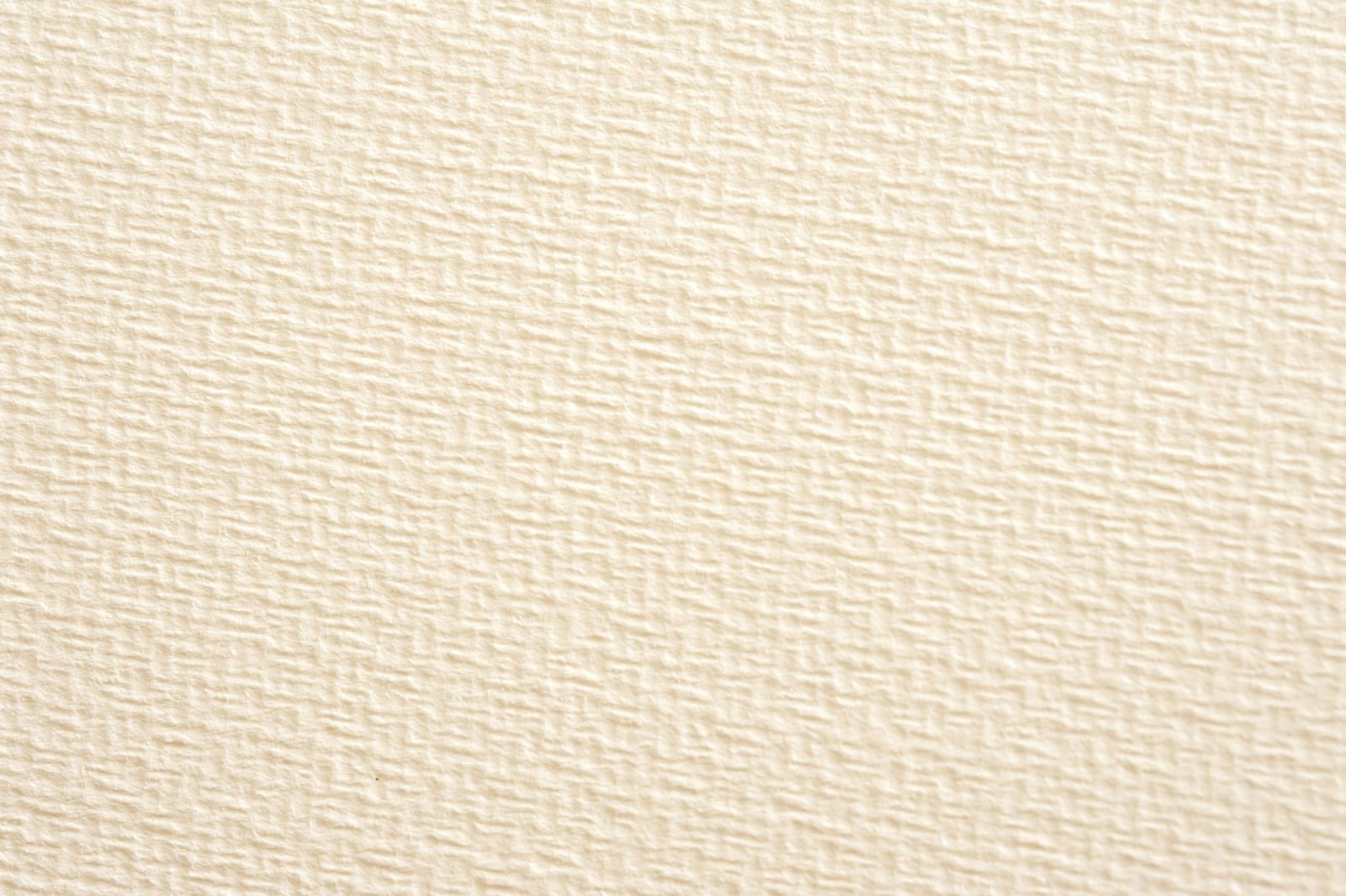
📷 Photo by wallpapers.com