



Innerspark.us – An effective artist biography bridges the gap between your creative work and your audience by combining your artistic philosophy with a concise, professional narrative of your background and achievements. It serves as a personal invitation for collectors, curators, and fans to understand the human story behind the art they are viewing.
Why Your Biography Matters More Than You Think
Many artists make the mistake of assuming their work speaks entirely for itself. While the visual impact of your portfolio is paramount, the biography provides the necessary context that turns a casual viewer into a dedicated follower or buyer. People connect with stories, motivations, and the specific journey that led to a body of work. Without a bio, you remain an anonymous creator; with a well-crafted one, you become a relatable professional with a clear artistic trajectory.
The Core Components of a Successful Bio
A high-quality artist biography is not a chronological list of every school you attended or every group show you participated in. Instead, it should be a curated narrative that highlights your unique voice. You must balance your artistic mission with your professional credentials. Readers are looking for the “why” behind your process, the themes you explore, and the impact you hope your art leaves on the viewer.
Essential Elements for Your Portfolio Biography
| Element | Purpose | Best Practice |
|---|---|---|
| The Hook | Grabs attention | State your artistic focus in one strong sentence. |
| The Journey | Builds credibility | Mention key exhibitions, awards, or formal training. |
| The Philosophy | Establishes connection | Explain why you create and what inspires your medium. |
| The Call to Action | Encourages engagement | Direct readers to your newsletter or contact page. |
Step-by-Step Guide to Drafting Your Bio
Writing about yourself can be intimidating, but following a structured process helps remove the pressure of the blank page. Use these steps to build your narrative systematically.
- Define your artistic identity by identifying the three primary themes that dominate your current body of work.
- Draft a “mission statement” paragraph that explains the core intent behind your creative process and the emotions you aim to evoke.
- Compile your professional highlights, selecting only the most prestigious or relevant experiences that align with your current career stage.
- Write three versions of your bio: a short one-sentence blurb for social media, a 150-word version for your website landing page, and a full-length version for your press kit.
- Read your drafts aloud to ensure the tone sounds like a natural conversation rather than a stiff academic paper.
Common Mistakes to Avoid
The most frequent error artists make is writing in the third person when the tone feels detached and cold. While third-person is standard for gallery press releases, first-person can be incredibly effective for portfolio websites to establish intimacy. Avoid using excessive art-speak or overly complex academic jargon. If your audience has to reach for a dictionary to understand your biography, you have already lost their attention. Keep your language accessible, clear, and professional.
Another common mistake is neglecting updates. Your biography is a living document. If you have finished a major residency, won an award, or shifted your focus to a new medium, your website biography should reflect those changes immediately. A stale bio suggests that your career is also stagnant.
📷 Photo by storage.googleapis.com
Infusing Personality into Your Professional Narrative
Your biography should not read like a resume. While it is important to list your credentials, you should weave them into the narrative of your growth as an artist. Instead of listing dates and titles, describe how a specific residency changed your technique or how a particular life event influenced a shift in your color palette. This provides a sense of evolution that makes your work feel dynamic and alive.
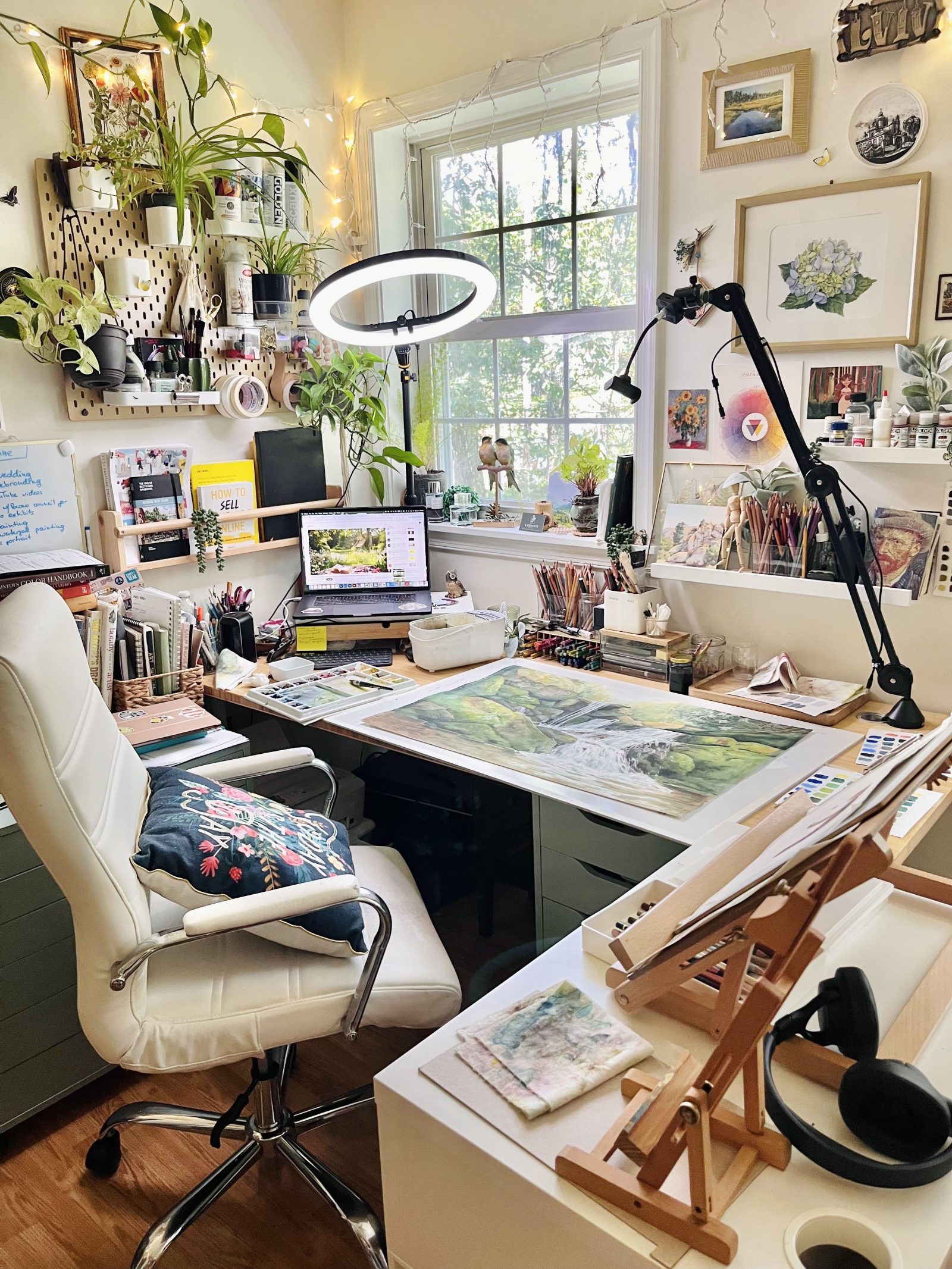
📷 Photo by pinterest.com
Frequently Asked Questions
Q: Should I write my bio in the first or third person?
A: For a personal portfolio website, the first person (I, me, my) is generally preferred because it feels more authentic and engaging; however, the third person is acceptable if you want a more formal, gallery-ready aesthetic.
Q: How long should my artist bio be?
A: Aim for 150 to 250 words for your main website bio. This length is long enough to provide substance but short enough to keep the attention of a busy curator or collector.
Q: Can I include my personal hobbies in my bio?
A: Only include personal details if they are directly relevant to your art or help explain your creative perspective; otherwise, keep the focus strictly on your professional artistic journey.
Final Tips for Success
Always ask a peer or a mentor to review your draft. They can often identify parts of your story that you might have taken for granted or point out where your tone might be too defensive or overly humble. Remember that your biography is not a static requirement—it is a marketing tool. By keeping it updated, clear, and personality-driven, you ensure that visitors to your website leave with a deeper understanding of both your art and the person behind the canvas.
📷 Photo by pinterest.com