


Innerspark.us – Choosing the best archival art print paper requires balancing your artwork’s medium, texture preferences, and long-term longevity requirements, specifically looking for acid-free, lignin-free materials with a neutral pH. Selecting the right substrate is the final, critical step in transforming a digital file into a museum-quality physical piece.
The Importance of Archival Standards
Archival quality refers to a paper’s ability to resist degradation, yellowing, and fading over decades or even centuries. When printing fine art, you are not just producing a visual copy; you are creating a collectible asset. Non-archival papers often contain acidic components or optical brighteners that break down chemically over time, leading to brittle, discolored prints. Professional-grade papers are typically made from cotton rag or high-alpha cellulose, which ensures structural integrity.
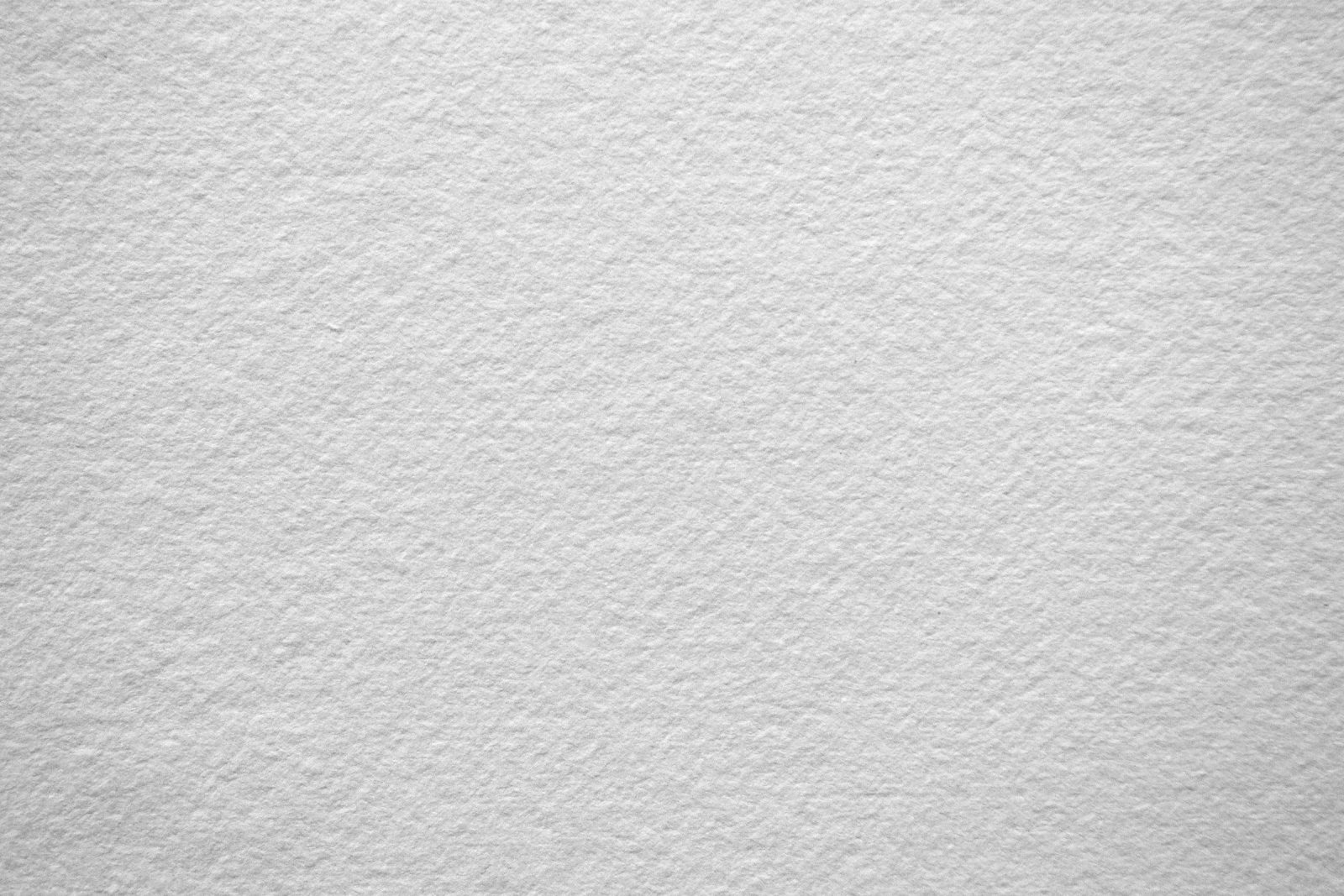
📷 Photo by visulexi.de
Understanding Paper Base and Texture
The base material dictates how ink interacts with the surface. Cotton rag, often referred to as fine art paper, is made from cotton fibers. It offers a luxurious, tactile feel and is highly resistant to aging. Alpha cellulose paper is wood-pulp-based but processed to remove lignin and acids. While slightly less expensive than cotton, high-quality alpha cellulose is still perfectly suitable for professional archival work.
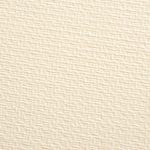
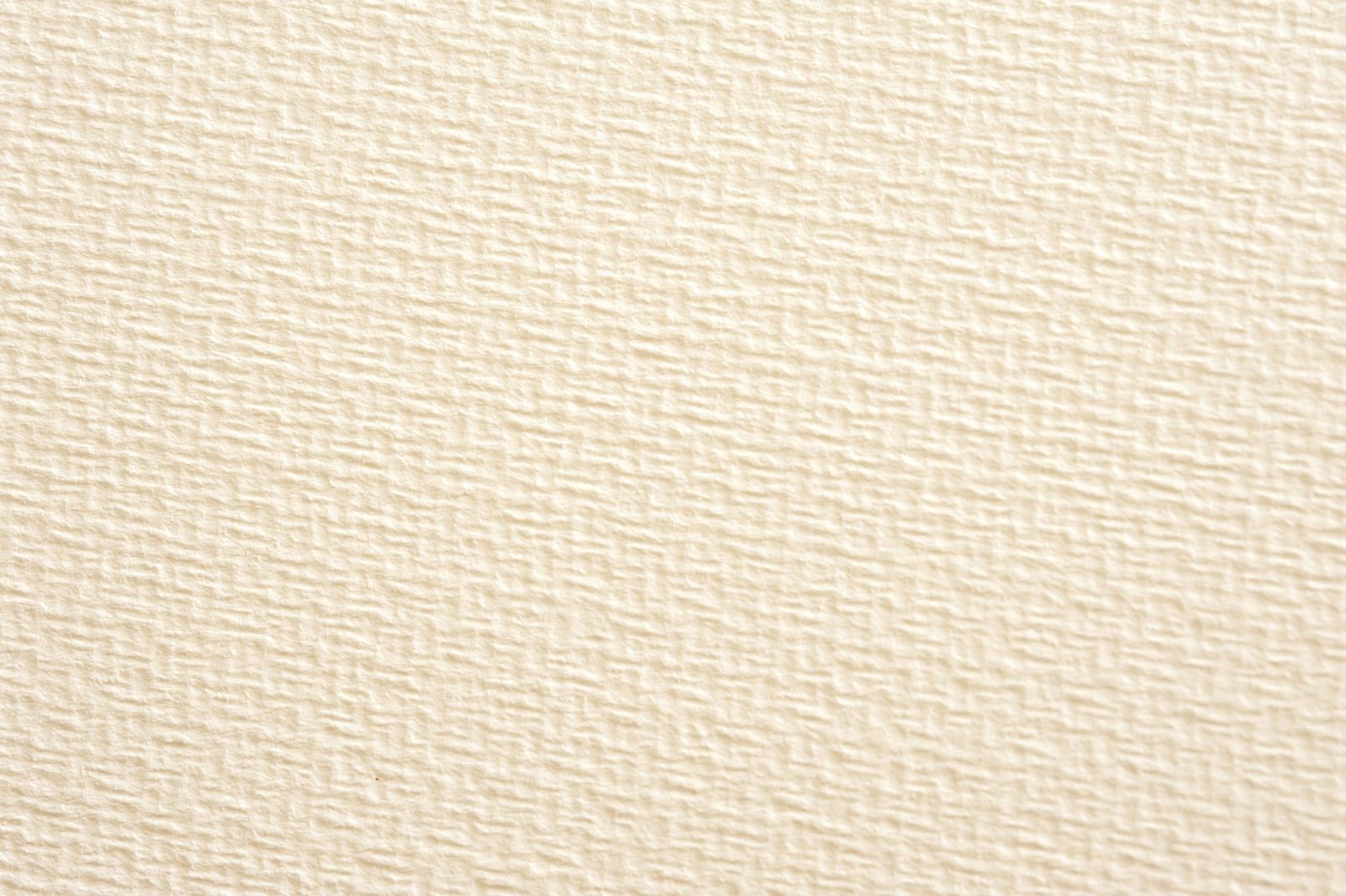
Surface texture, or tooth, affects the depth and sharpness of your image. A smooth, hot-press surface is ideal for high-detail photography or digital illustrations where every pixel needs to be razor-sharp. Conversely, a cold-press surface has a subtle, textured grain that mimics traditional watercolor paper, adding a three-dimensional quality to the print that works exceptionally well for oil painting reproductions or charcoal sketches.
Comparison of Common Fine Art Paper Types
| Paper Type | Texture | Best For | Longevity |
|---|---|---|---|
| Hot Press Cotton | Smooth | Detailed Photography | Excellent |
| Cold Press Cotton | Textured | Watercolor/Oil Reproductions | Excellent |
| Alpha Cellulose | Varies | General Fine Art/Prints | Very Good |
| Canvas (Poly-Cotton) | Woven/Heavy | Gallery Wraps | High |
Optical Brightening Agents (OBAs)
One of the most debated topics in fine art printing is the use of Optical Brightening Agents (OBAs). These are chemical additives that reflect blue light to make paper appear whiter and brighter under standard lighting. While they make a print look punchier initially, OBAs are prone to fading over time, which can shift the color balance of your print. For the highest level of archival permanence, many professionals prefer OBA-free papers, which have a more natural, creamy off-white tone that remains stable for generations.
Weight and Feel
Paper weight is measured in grams per square meter (gsm). For fine art prints, you generally want to avoid anything below 200 gsm, as it will feel flimsy and prone to curling. A weight between 250 gsm and 320 gsm is considered the industry standard for professional galleries. This thickness provides the print with a substantial “heft” that signals quality to the buyer, ensuring the paper does not buckle when placed inside a frame.
Step-by-Step Guide to Selecting Your Paper
- Analyze your artwork: Determine if your image relies on fine detail (choose smooth) or brushstroke texture (choose textured).
- Define your budget vs. longevity: If you are selling limited edition prints, prioritize 100% cotton rag. For open edition prints, high-quality alpha cellulose is a cost-effective alternative.
- Check for OBA content: Determine if you want a stark white look (OBA-heavy) or a natural, long-lasting gallery look (OBA-free).
- Order a sample pack: Most major paper manufacturers offer sample packs. Test your specific ink set on different finishes to see how the black density and color gamut perform.
- Perform a test print: Print a small section of your image that includes both deep shadows and highlight details to evaluate how the paper handles contrast.
Common Mistakes to Avoid
A frequent error is ignoring the ink-to-paper compatibility. If you are using pigment-based inks, you must ensure the paper has an appropriate coating, often called a receiver layer, designed to anchor those pigment particles. Without this, the ink may sit on the surface, making it susceptible to smudging or flaking. Another mistake is assuming that “thick” means “archival.” Always check the manufacturer’s technical data sheet for pH neutrality and the absence of lignin.
The Role of Framing and Display
Even the best archival paper can be compromised by poor display habits. UV light is the enemy of all fine art. If you are selling prints, always recommend that your clients frame them behind UV-protective glass or acrylic. Furthermore, ensure the matting materials used in the framing process are also acid-free. If you place an archival print against a cheap, acidic cardboard backing, the acid will eventually migrate into your print, causing “mat burn” or yellowing regardless of how high-quality the paper was to begin with.
FAQ
Q: Does the printer type matter when choosing paper?
A: Yes. Pigment-based inkjet printers (Giclée) require specific coatings on the paper to ensure longevity and color accuracy, whereas dye-based inks perform differently and may not be archival regardless of the paper used.
Q: Is 100% cotton always better than alpha cellulose?
A: For pure archival longevity and tactile experience, yes. However, high-quality alpha cellulose is often more stable and less prone to moisture-related warping in humid environments, making it a viable alternative for specific applications.
Q: How do I know if a paper is truly archival?
A: Look for the manufacturer’s technical specifications. Keywords to search for include “acid-free,” “lignin-free,” “pH neutral,” and “buffered” (which helps resist environmental acidity).
Selecting the right paper is an investment in your artistic legacy. By understanding the relationship between base material, surface texture, and chemical composition, you ensure that your work remains as vibrant and impactful for the collector as it was the day you printed it. Take the time to experiment with different surfaces, and always prioritize the longevity of your medium to maintain your reputation as a serious fine art creator.
📷 Photo by wallpapers.com