





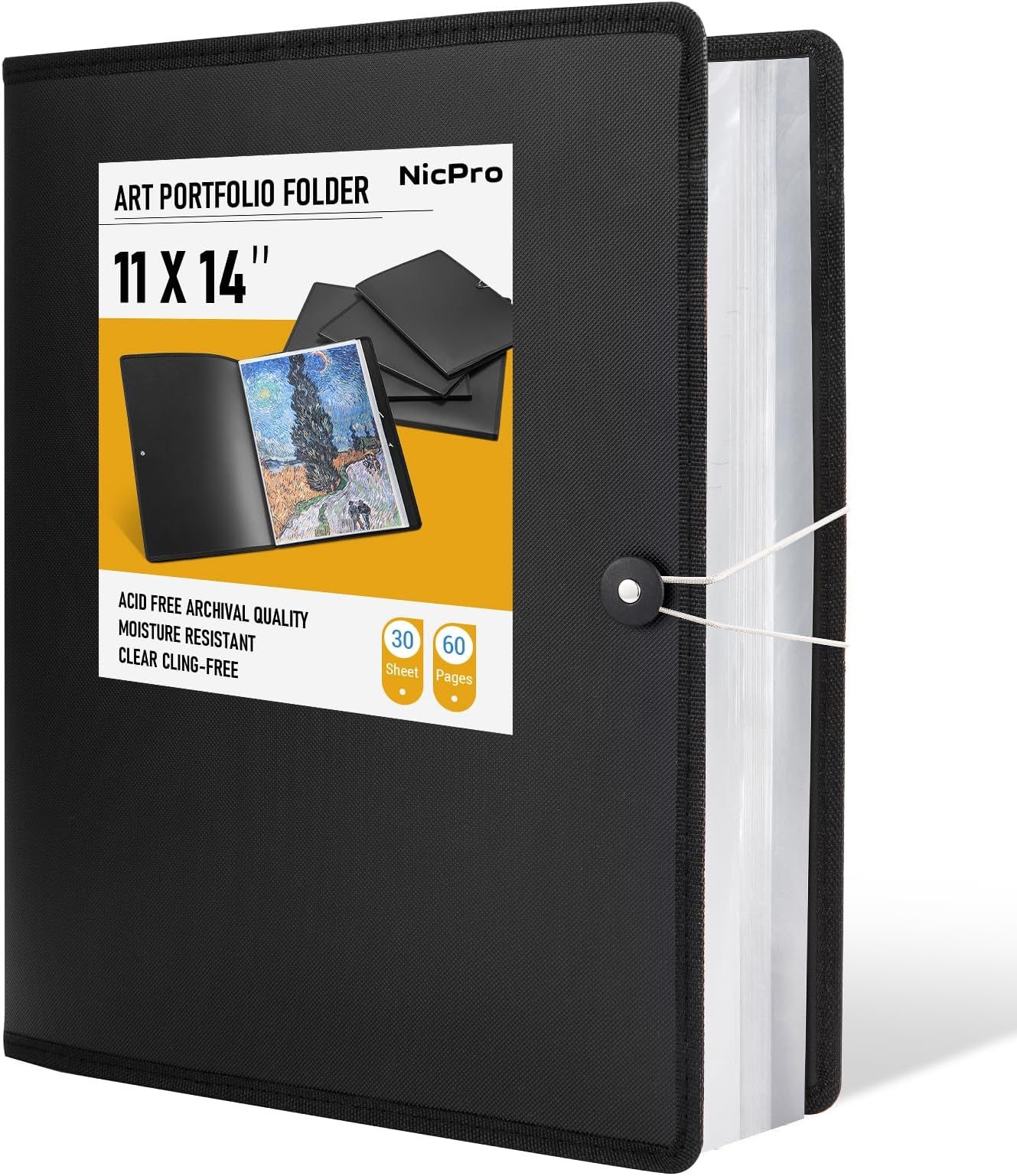
Innerspark.us – An effective professional portfolio should typically contain between 10 to 20 high-quality pieces, carefully curated to showcase your versatility, technical skill, and specific focus area. Quality always triumphs over quantity, as a single subpar piece can diminish the impact of your entire collection.
The Power of Curation
Many aspiring artists fall into the trap of including every sketch, study, and finished project they have ever completed. This “kitchen sink” approach often overwhelms potential clients or recruiters who have limited time to review your work. By limiting your selection, you demonstrate that you possess the critical judgment to identify your own best work, which is a highly valued trait in any creative industry.
Your portfolio is not a historical archive of your growth; it is a strategic sales tool. It should represent the work you want to be hired to do in the future. If you are applying for a role in character design, your portfolio should be heavily weighted toward character-focused pieces rather than landscape studies or still-life drawings.
Determining the Right Number Based on Experience
The ideal number of pieces often fluctuates based on your level of experience and the nature of your target audience. A student applying for an internship may benefit from showing a broader range to prove foundational skills, while a seasoned professional should provide a tighter, more specialized selection of high-end projects.
| Experience Level | Recommended Piece Count | Focus Strategy |
|---|---|---|
| Student/Entry Level | 15 – 20 pieces | Showcase versatility and core technical fundamentals. |
| Mid-Level Professional | 10 – 15 pieces | Highlight consistent quality and specific industry expertise. |
| Senior/Specialist | 8 – 12 pieces | Feature complex, high-impact projects and problem-solving. |
The Risks of Overloading Your Portfolio
The most significant risk of including too many pieces is the dilution of quality. If a recruiter looks at fifteen images and three of them are weak or inconsistent, they will likely remember the weak pieces rather than the strong ones. This phenomenon is known as the “weakest link” bias. Your portfolio will be judged by its least impressive entry, not its most impressive.
Furthermore, an overcrowded portfolio creates cognitive load. When a viewer has to scroll through fifty images, they stop engaging critically and start skimming. You want to leave them wanting more, not feeling exhausted by the volume of content. A shorter, punchier portfolio keeps the viewer’s attention focused on your strengths from the first image to the last.
Steps to Curate Your Portfolio Effectively
Curating your portfolio is a continuous process that requires detachment and objective analysis. Follow these steps to ensure your collection remains relevant and impactful:
- Gather every piece of art you have created over the last two years into a single folder.
- Categorize the work by medium, subject matter, or project type to see where your strengths naturally align.
- Eliminate any piece that does not directly contribute to the type of work you want to be hired for, even if it is technically “good.”
- Select the top 10 to 15 pieces that demonstrate both technical proficiency and a cohesive personal style.
- Arrange the remaining pieces in a sequence that starts with a strong “hook” and ends with a memorable, high-impact finale.
- Review the selection with a mentor or peer who will provide honest, constructive criticism regarding the weakest entries.
Common Mistakes to Avoid
One common mistake is including “filler” pieces—work that you feel you need to add simply to reach a specific number. If you do not have 15 pieces that meet your highest standards, it is far better to show 8 exceptional pieces than to dilute your brand with 7 mediocre ones. Clients are looking for a baseline of excellence, and they will assume that your average piece represents the quality they can expect from your future work.
Another error is failing to update your portfolio regularly. As you develop new skills, your older, less sophisticated work should be retired. A portfolio that looks like a time capsule of your artistic journey from five years ago can actually hinder your career prospects. Regularly audit your portfolio every three to six months to ensure it reflects your current capabilities and the current demands of your chosen industry.
Contextualizing Your Work
While the visual impact is paramount, the way you present your pieces matters. Include brief descriptions or case studies for your projects. Explain the objective, the challenges you faced, and the solution you provided. This context turns a collection of images into a professional portfolio that demonstrates your ability to solve problems, which is often more important to employers than raw artistic talent.
Frequently Asked Questions
Q: Should I include personal projects or only client work?
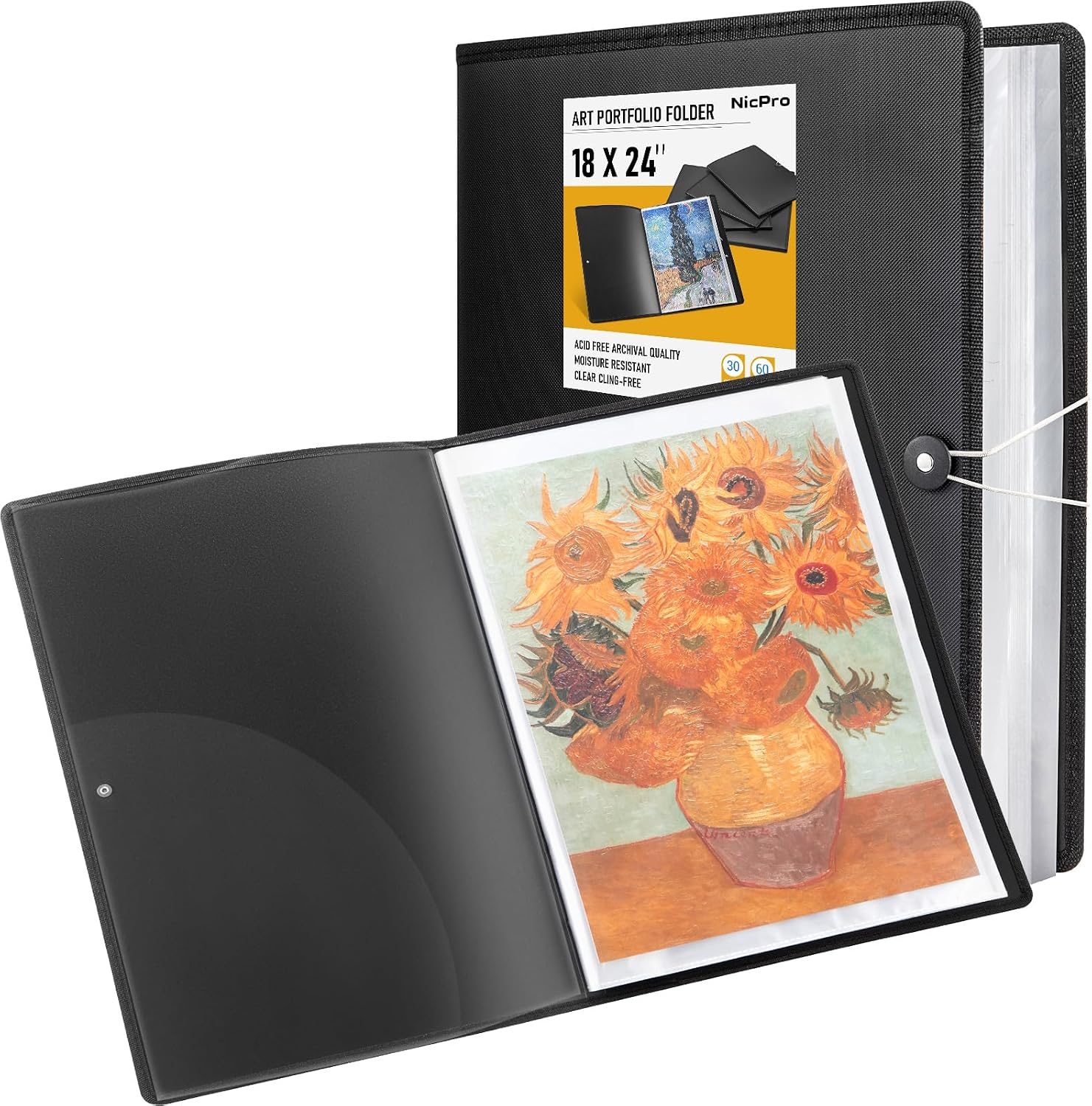
📷 Photo by amazon.com
A: You should include whatever demonstrates your best skill set. Personal projects are excellent for showing your unique creative voice and passion, provided they are executed to the same professional standard as your commercial work.
Q: Is it better to have one big portfolio or multiple specialized ones?
A: If you have vastly different skill sets—for example, illustration and graphic design—it is often better to create separate portfolios or clearly defined sections. A confused recruiter is less likely to hire you for a specific role, so clarity is essential.
Q: How often should I swap out pieces in my portfolio?
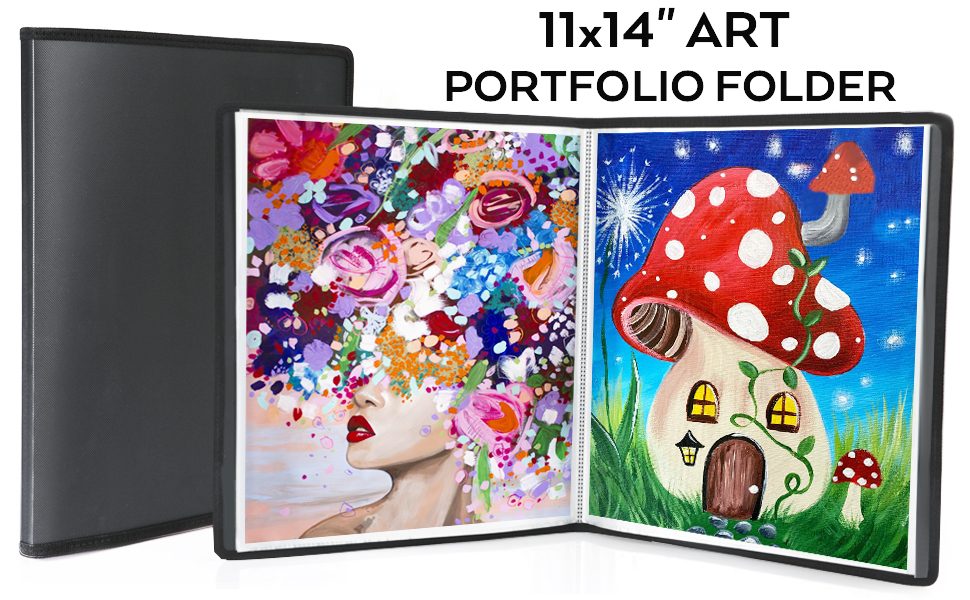
📷 Photo by gosupps.com
A: Aim to review your portfolio every few months. Whenever you complete a new project that is stronger than one of your existing pieces, replace the weakest one immediately. Think of your portfolio as a living document that evolves alongside your professional development.
Ultimately, the number of pieces is less important than the narrative they tell. Whether you choose 8 or 20, ensure that each piece serves a specific purpose, showcases your unique perspective, and confirms your ability to deliver high-quality results. Your portfolio is your handshake with the industry; make sure it leaves a lasting, professional impression.
📷 Photo by amazon.ca