




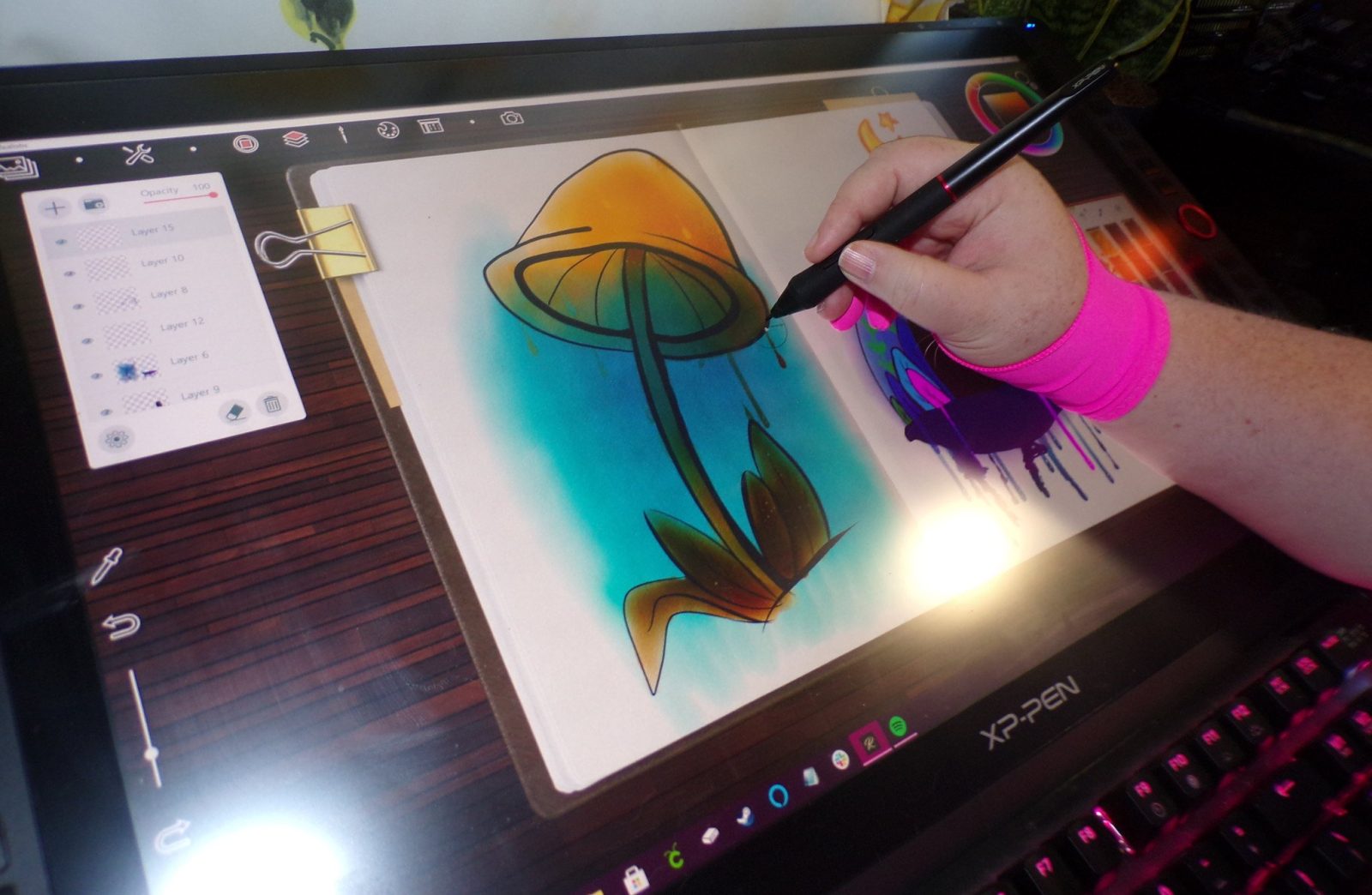
Innerspark.us – An effective online art portfolio secures job offers by showcasing a curated selection of your best work, demonstrating technical proficiency, and providing clear contact information that bridges the gap between your creative talent and a potential employer’s specific needs.
The digital art landscape is incredibly competitive, and hiring managers often spend less than a minute scanning a portfolio before deciding whether to move forward. To stand out, you must treat your portfolio not as an archive of everything you have ever created, but as a strategic marketing tool designed to solve a client’s or company’s problems.
Curating for Impact
One of the most common mistakes artists make is including too much work. If you include every project you have ever finished, you dilute your brand and make it difficult for employers to identify your core strengths. A portfolio with ten high-quality, relevant pieces is significantly more effective than one with fifty mediocre ones.
Focus on quality over quantity. If you want to work in character design for games, your portfolio should lead with character sheets, expressions, and anatomy studies. If you are a graphic designer, focus on branding projects and layout systems. Ensure that every piece you display serves a specific purpose in landing you the role you desire.
The Essential Components of a Professional Portfolio
Beyond the artwork itself, the presentation matters. Recruiters need context to understand your process. A beautiful image is good, but an image accompanied by a brief explanation of the problem you were solving is better. Did you face a technical challenge? How did you iterate on the design? Providing this context demonstrates that you are a professional who thinks critically about your work.
Your “About Me” page should be concise. Avoid writing a long autobiography. Instead, frame your experience in a way that highlights your professional reliability and creative philosophy. Always include a clear, easy-to-find link to your resume and a direct contact form or email address.
Strategic Portfolio Comparison
| Element | Amateur Portfolio | Professional Portfolio |
|---|---|---|
| Selection | Everything ever created | Curated best-of work |
| Context | Just the final image | Process sketches and problem-solving |
| Navigation | Confusing, many clicks | Simple, intuitive, fast-loading |
| Contact | Hard to find | Visible and accessible |
Steps to Building Your Portfolio
- Define your niche: Choose the specific industry or role you are targeting to ensure your portfolio speaks directly to those decision-makers.
- Select your top 8-12 pieces: Choose projects that showcase your technical skills and the type of work you actually want to do in the future.
- Write case studies: For each piece, write 2-3 sentences explaining your creative process, the tools used, and the goal of the project.
- Optimize for speed: Compress your images so they load instantly; a slow-loading portfolio will cause potential employers to bounce immediately.
- Implement a clear navigation: Use a clean layout that allows users to view your work without needing to scroll endlessly or click through too many menus.
- Test on mobile: Ensure your site is fully responsive, as many recruiters will view your work on tablets or smartphones.
- Add a call to action: Make it obvious how a potential employer should reach out to you for a commission or interview.
Common Mistakes to Avoid
A frequent error is neglecting the “About” section or, conversely, making it too personal. While having personality is good, remember that this is a business site. Avoid including irrelevant hobbies or overly casual language that might undermine your professional credibility. Another major pitfall is broken links. Always double-check every button and navigation link before sharing your URL.
Furthermore, do not ignore the power of search engine optimization (SEO) basics. Ensure your images have descriptive alt-text and that your site title includes your name and your professional title (e.g., “Jane Doe | Senior Concept Artist”). This helps you appear in search results when recruiters are looking for specific skill sets.
Maintaining Your Portfolio
Your portfolio should be a living document. As you grow and your style evolves, your site should reflect that. Audit your portfolio every three to six months. Remove outdated work that no longer represents your current skill level and replace it with newer, stronger projects. Keeping your site updated also signals to potential employers that you are active and consistently producing work.
Frequently Asked Questions
Q: Should I include personal projects in my professional portfolio?
A: Yes, as long as the quality matches your professional work. Personal projects are excellent for demonstrating your unique creative voice and passion, which can often be the deciding factor when choosing between two equally skilled candidates.
Q: Is it better to have a custom website or use a portfolio platform?
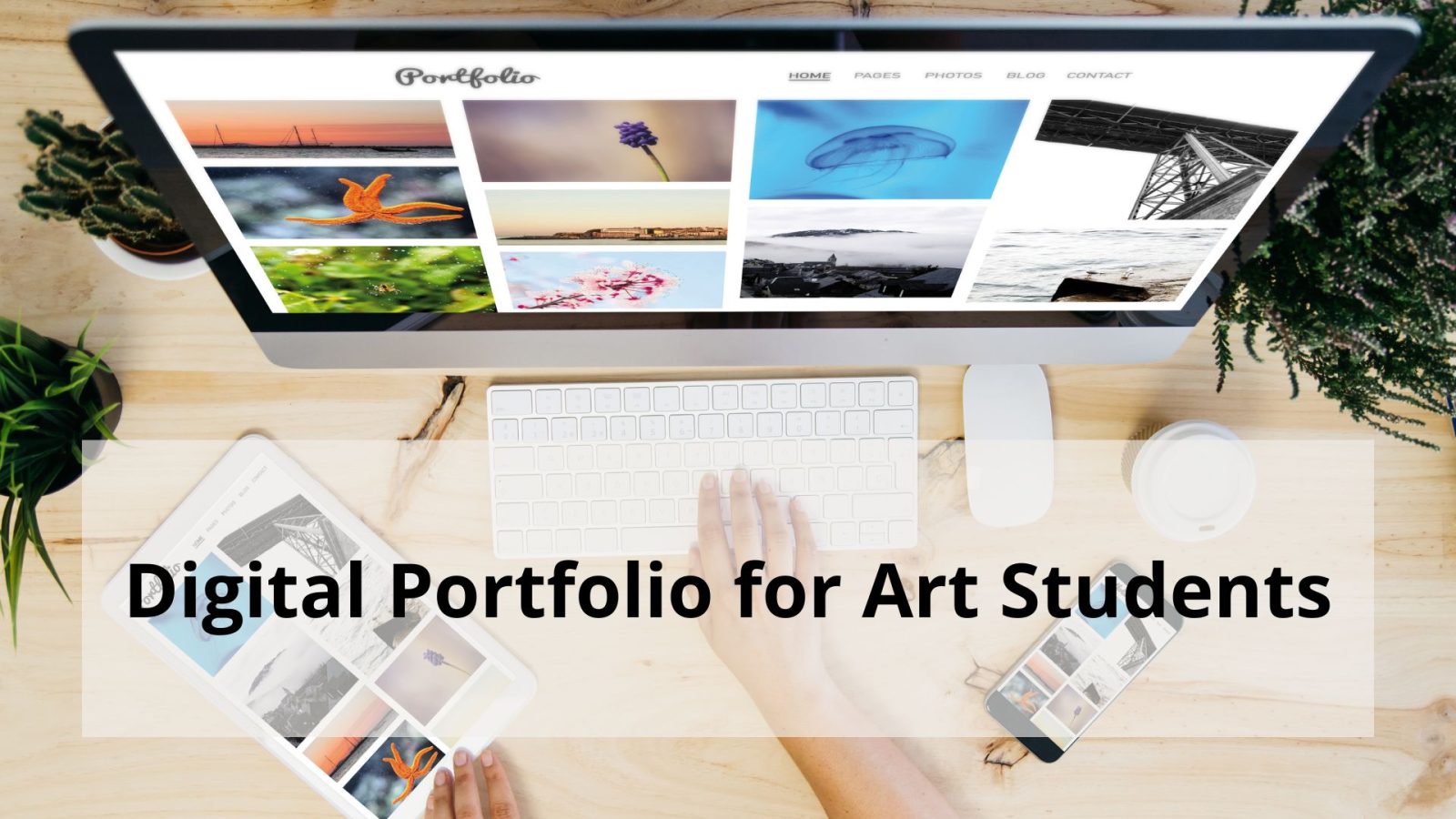
A: For most artists, established portfolio platforms are sufficient and often preferred because they are built to handle image-heavy content efficiently. Custom sites are great if you have specific technical requirements, but do not let the effort of building a site distract you from the actual content—the art itself is what gets you hired.
Q: How long should my project descriptions be?
A: Keep them brief. Aim for 50 to 100 words per project. Focus on the “why” and “how” of the piece, rather than just describing what is visible in the image.

By focusing on strategic curation, clear communication, and professional presentation, you transform your portfolio from a simple gallery into a powerful sales tool. Remember, the goal is not to impress other artists, but to convince a hiring manager that you are the right person to solve their design or creative needs.