




Innerspark.us – A UI visual designer should showcase between 3 to 6 high-quality, diverse case studies to demonstrate breadth and depth without overwhelming potential clients or hiring managers. This range strikes the perfect balance between proving your professional capability and maintaining the reader’s attention span during a portfolio review.
The Strategic Number of Case Studies
Quality will always override quantity in the design industry. Presenting ten mediocre projects suggests a lack of discernment, whereas three exceptional projects signal that you understand the value of curation. Hiring managers typically spend less than two minutes on a portfolio, meaning you must maximize the impact of every click.
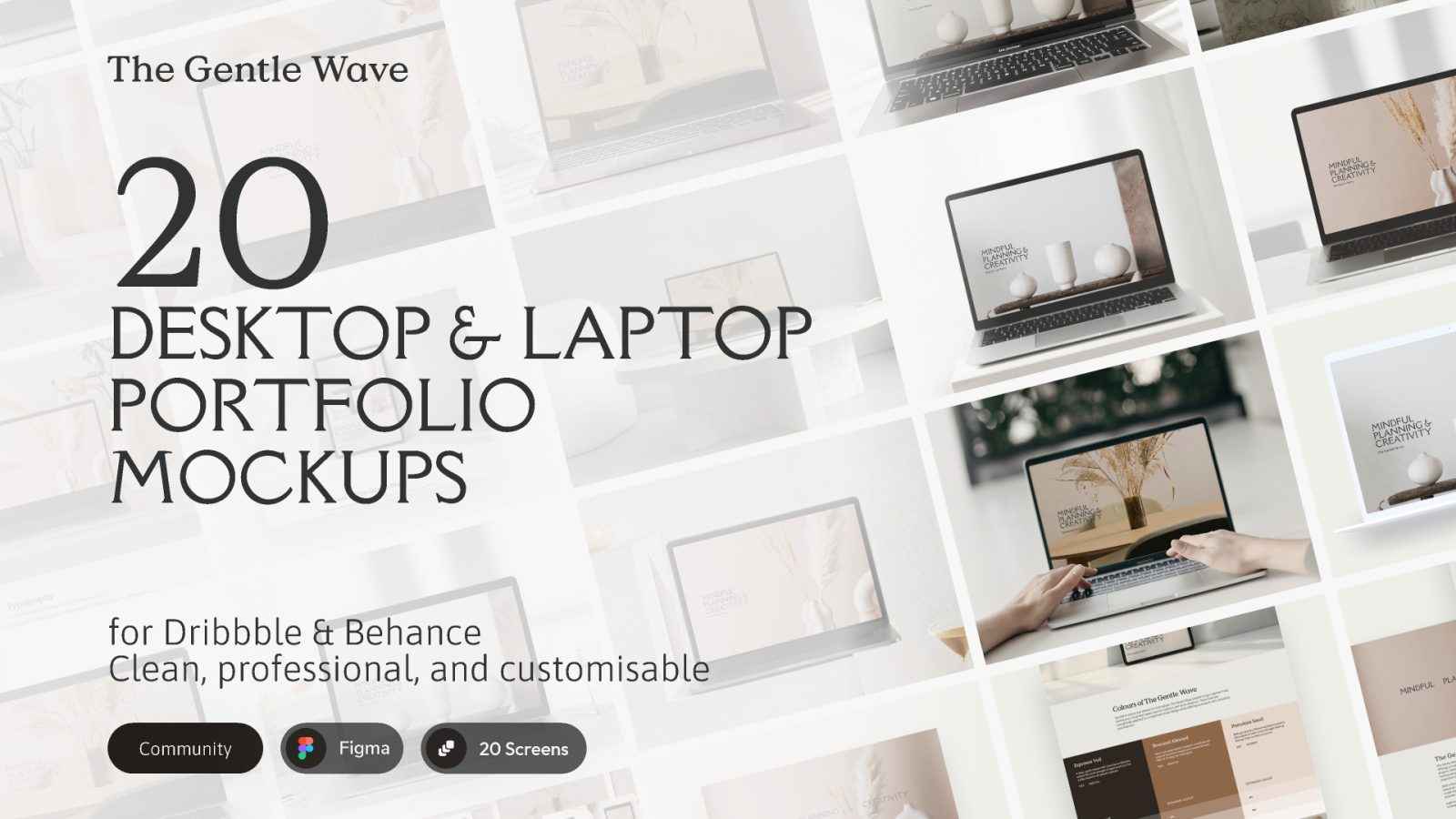
📷 Photo by figma.com
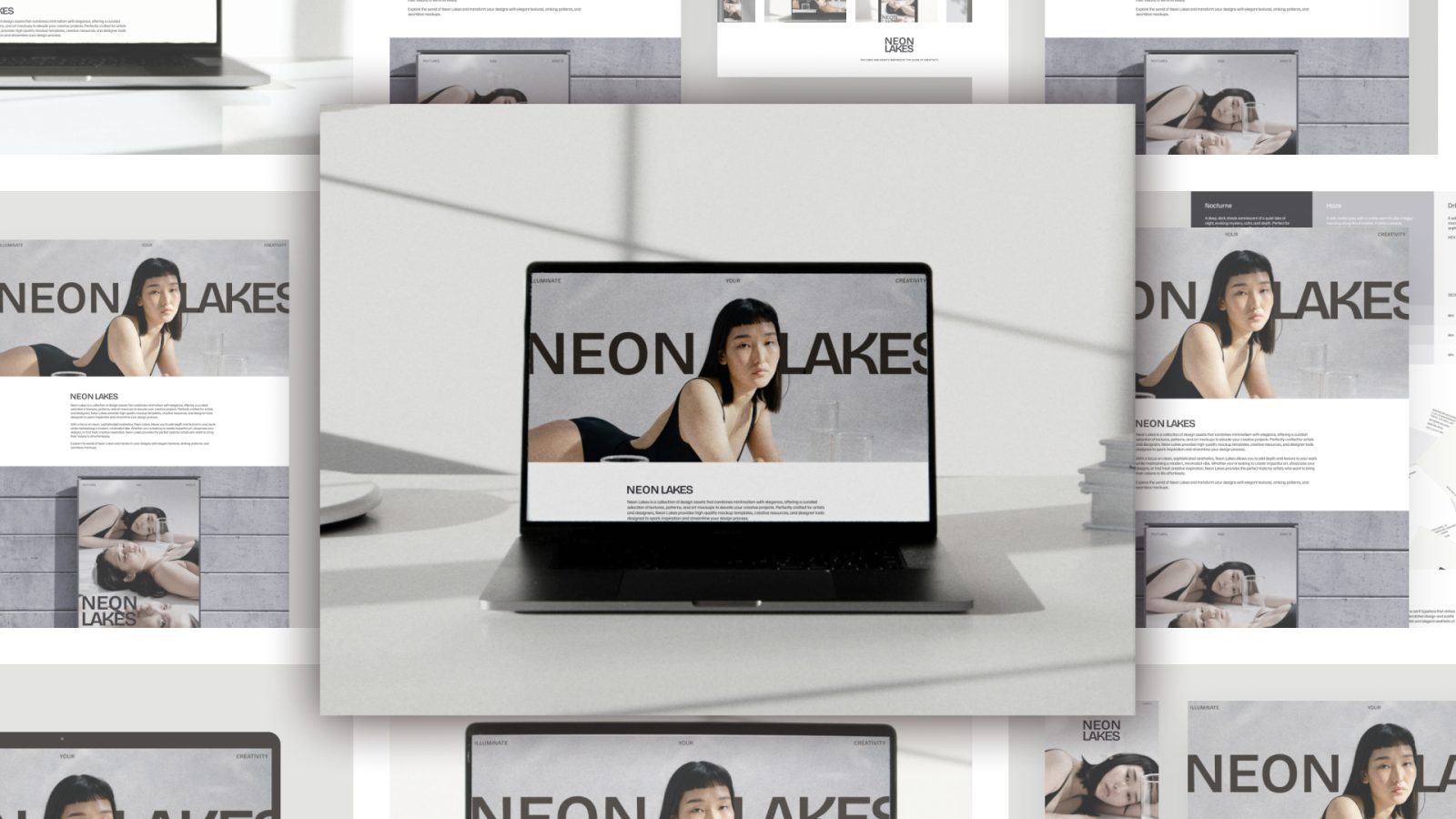
📷 Photo by figma.com
If you are a junior designer, three projects are often sufficient to prove your technical proficiency. For senior roles, five or six case studies allow you to demonstrate complex problem-solving, stakeholder management, and the ability to handle different design systems or industries. The goal is to show the “why” behind your pixels, not just the final aesthetic output.
Diversity in Your Selection
The specific projects you choose matter as much as the total count. Your portfolio should act as a representative sample of what you are capable of delivering. Avoid showcasing five projects that all look identical or solve the exact same type of problem, such as five mobile app landing pages with similar color schemes.
Read also: Velvet Fine Art Paper vs Smooth Rag: Texture Comparison
Instead, aim for a mix that highlights your versatility. If you want to work in e-commerce, ensure at least one case study focuses on conversion optimization or checkout flows. If you are targeting B2B SaaS, include a project that demonstrates complex data visualization or dashboard design. This strategic selection ensures that a potential employer can immediately visualize you working on their specific business challenges.
Portfolio Composition Checklist
To help you decide which projects to include, use the following framework to evaluate your current work. A strong portfolio should ideally contain a blend of these categories to show your range of expertise.
| Project Type | What it Demonstrates | Priority Level |
|---|---|---|
| Complex Product Design | Systems thinking and long-term UI maintenance | High |
| User-Centric Mobile App | Understanding of gesture-based UI and touch targets | High |
| Brand & Marketing Site | Visual flair, typography, and creative layout skills | Medium |
| Design System Work | Collaboration and scalable component architecture | Medium |
Structuring Your Case Study Narrative
Simply posting images of your work is insufficient for a professional UI designer. You must document the process to prove you are a designer who solves problems rather than just a decorator who makes things look pretty. Follow this workflow to build a compelling narrative for each of your selected case studies.
- Define the core business problem and the specific constraints you faced at the start of the project.
- Explain your research process, including any competitor analysis or user insights that informed your UI decisions.
- Show your low-fidelity wireframes or sketches to demonstrate how you navigated the layout architecture before applying high-fidelity colors.
- Highlight a specific UI challenge, such as accessibility compliance or responsive grid adjustments, and explain how you resolved it.
- Present the final polished design alongside metrics or outcomes, such as improved user engagement or faster task completion times.
Common Mistakes to Avoid
One of the most frequent errors designers make is including “filler” projects. If you have a project in your portfolio that you are not proud of or that you cannot explain in detail, remove it immediately. A single weak project can cause a recruiter to question your judgment or your standard of quality.
Another pitfall is the lack of context. Never upload a gallery of Dribbble-style shots without explaining the constraints. A beautiful UI is worthless if it doesn’t function properly within the parameters of a real-world product. Always emphasize your role in the project—did you lead the UI, or were you following a pre-existing style guide? Transparency about your actual contribution builds trust.
Maintaining Your Portfolio Over Time
Your portfolio is a living document. As you gain more experience, you should rotate out older, less relevant work. Aim to refresh your top projects every six to twelve months. This keeps your portfolio aligned with the latest design trends and your current career goals. If you have moved from a generalist role to a design systems specialist, your case studies should reflect that shift by highlighting documentation and component library management.
Frequently Asked Questions
Q: Should I include NDA-protected work in my portfolio?
A: Only if you have explicit written permission from your previous employer. If you cannot show the actual work, write a case study that focuses on the process and abstract results without revealing proprietary intellectual property or sensitive data.
Q: Is it better to have one giant project or several small ones?
A: A mix is generally best. A deep dive into one complex product shows you can handle long-term projects, while smaller, focused case studies demonstrate your ability to execute quickly and handle different aesthetic styles.
Q: Should I put all my work on my website?
A: No. Your website should be a curated showroom, not an archive. Save your older or less polished work for a secondary document, like a PDF portfolio or a private link, and only keep your absolute best work visible on your main site.
Ultimately, the number of projects is secondary to the quality of the narrative. If you can clearly articulate the problem, your design process, and the final impact within three to six projects, you will be in a strong position to secure the UI design roles you desire. Focus on showing the depth of your thinking, and the visual quality of your work will naturally shine through.
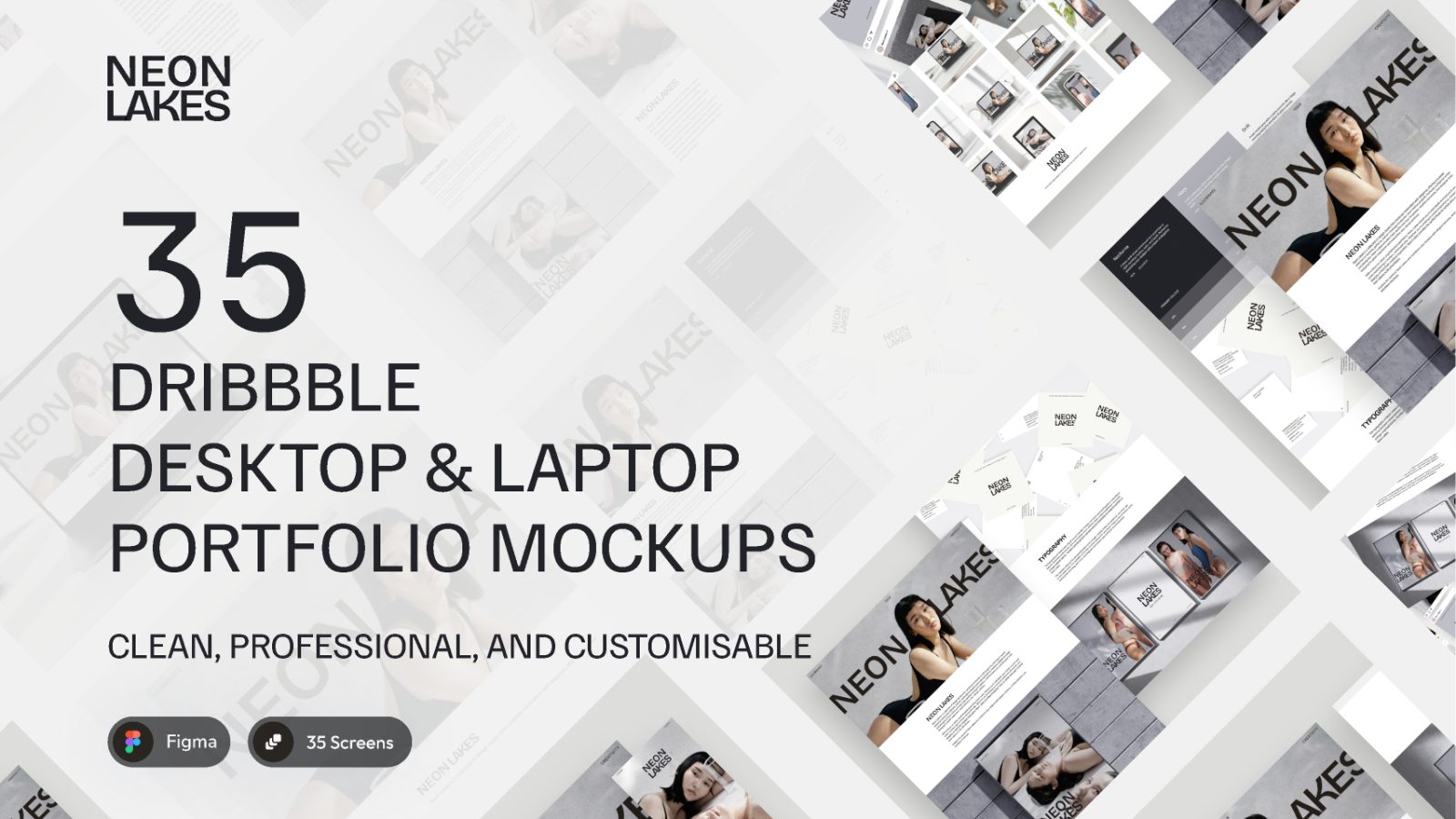
📷 Photo by figma.com