


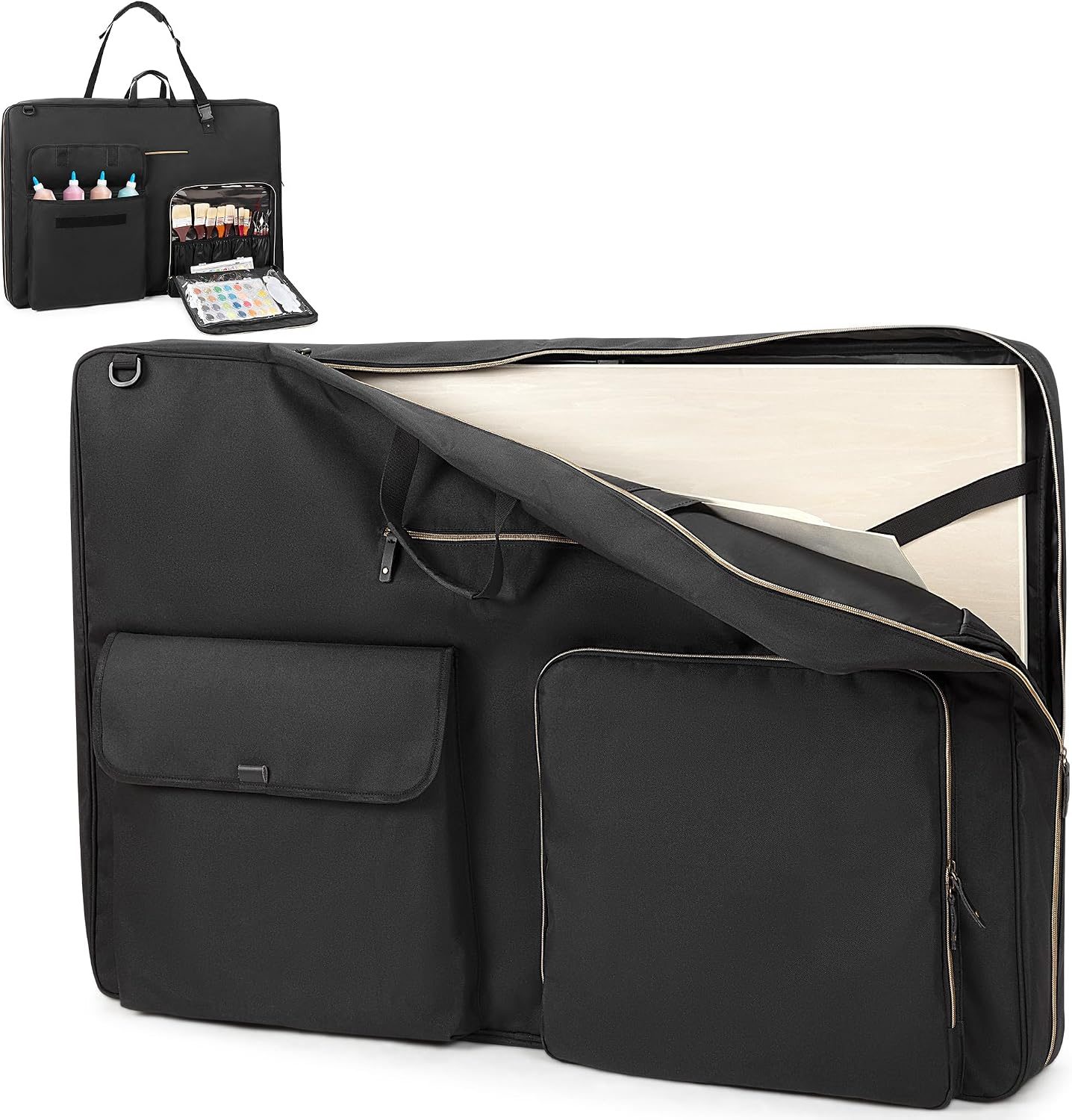
Innerspark.us – To transport and store 18×24 inch prints securely, you need an artist portfolio case with internal dimensions of at least 19×25 inches to accommodate the artwork, protective sleeves, and backing boards without bending the edges.
Selecting the right portfolio size is a critical decision for artists, students, and professionals who need to maintain the pristine condition of their work. While 18×24 inches is a standard industry size, buying a case that matches these dimensions exactly is a common mistake that leads to damaged corners and crumpled edges.
Why Internal Dimensions Matter More Than External Size
When shopping for a portfolio, manufacturers often list the external dimensions of the case. These measurements include the thickness of the outer shell, the width of the binding, and the protective frame of the handle. Always prioritize the internal dimensions, which reflect the actual usable space for your artwork.
For an 18×24 inch piece, you must account for the thickness of a protective clear acetate sleeve and a rigid backing board. If your case is exactly 18×24 inches, the friction caused by sliding the work in and out will inevitably cause the corners of your paper to catch and tear. An extra inch of clearance on both the width and height is the industry standard for a comfortable fit.
Comparing Standard Portfolio Sizes
Understanding how different sizes interact with your 18×24 prints can help you decide if you need a larger case for extra storage or a snug fit for portability.
| Portfolio Size (Internal) | Suitability for 18×24 Prints | Best Use Case |
|---|---|---|
| 18×24 Inches | Poor | Not recommended; too tight for sleeves. |
| 19×25 Inches | Excellent | Perfect fit with room for protective sleeves. |
| 20×26 Inches | Good | Allows for extra matting or large borders. |
| 24×36 Inches | Excessive | Useful only if you carry multiple sizes. |
Common Pitfalls When Choosing a Case
One of the most frequent errors artists make is failing to account for the thickness of their mounting materials. If you use thick foam core or heavy-duty mat board for your 18×24 prints, the stack will become significantly thicker than the portfolio’s gusset—the expandable side strip of the bag—can handle. This puts immense pressure on the zipper, often leading to premature failure or the bag bursting at the seams.
Another issue is the weight distribution. A 19×25 inch portfolio filled with several 18×24 heavy-stock prints can become surprisingly heavy. If the portfolio lacks internal straps or a rigid spine, the artwork will slump and bend while you are carrying it, potentially creating permanent creases in the center of your work.
Read also: How to Shoot High-Quality Video Reels of Your Creative Process
How to Properly Pack Your 18×24 Portfolio
Proper organization is essential to keep your portfolio organized and your prints protected during transit. Follow these steps to ensure your artwork remains flat and secure.
- Place each 18×24 print inside an acid-free, archival-quality clear sleeve.
- Insert a rigid backing board, such as pH-neutral foam core, behind each print to prevent bending.
- Check the internal gusset of your portfolio to ensure it is wide enough to accommodate the total stack height of your prints.
- Slide the prints into the portfolio sleeves carefully, ensuring they are centered to avoid corner friction.
- If the portfolio has internal elastic straps, secure them over the stack to minimize movement while walking.
- Close the zipper slowly, watching for any snagging at the corners of the sleeves.
Material Considerations and Weather Protection
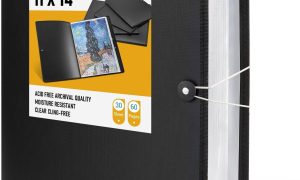
The material of your portfolio case dictates how well it will hold up against the elements. If you are a student or a working professional who commutes in variable weather, avoid soft, porous fabric cases that absorb moisture. Instead, look for polypropylene or weather-resistant nylon materials. These materials provide a barrier against humidity, which is the primary enemy of paper-based art, as it causes warping and yellowing over time.
📷 Photo by amazon.com
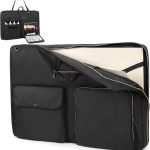
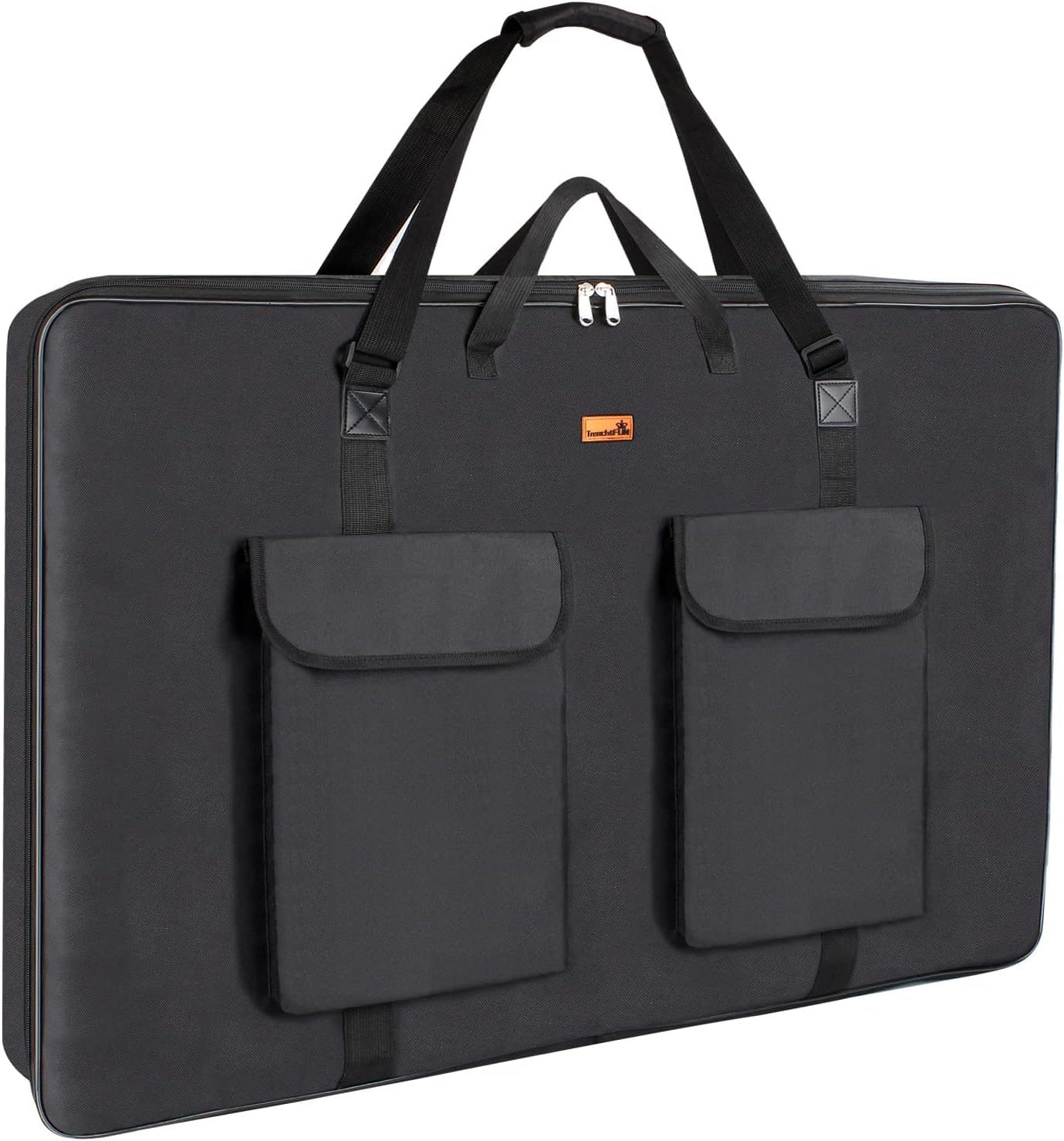
For high-value pieces, consider a hard-sided portfolio case. While these are heavier and less flexible, they offer superior crush protection. If you are traveling via public transport or flying, a hard-shell case is the only way to ensure that your 18×24 prints do not get crushed by luggage or heavy crowds.
The Impact of Portability
If you find that a 19×25 inch portfolio is too large to handle easily on a subway or in a cramped studio space, look for portfolios with integrated shoulder straps and ergonomic handles. A case that is difficult to carry is a case that you will eventually stop using, or worse, one that you will handle carelessly, leading to accidental drops or impacts.
Always test the handle quality before finalizing your purchase. The weight of 18×24 prints can cause cheap plastic handles to snap. Reinforced metal or heavy-duty stitched fabric handles are worth the extra investment, as they prevent the portfolio from swinging wildly and hitting door frames or other obstacles.
Q: Can I use a 20×26 portfolio for my 18×24 prints without them sliding around?
A: Yes, provided you use archival-safe mounting corners or internal straps to keep the prints centered. The extra space is actually beneficial if you plan to add matting or decorative borders to your work.
Q: Should I buy a portfolio with rings or a sleeve-based system?
A: Sleeve-based portfolios are generally better for 18×24 prints because they prevent the artwork from sagging. Ring-bound portfolios require punching holes in your prints or using adhesive tabs, which can damage the edges of your work.
Ultimately, the goal is to provide a stable, flat environment for your art. By selecting a case that is slightly larger than your prints and constructed from durable, moisture-resistant materials, you ensure that your work arrives at interviews, galleries, or classrooms in the exact condition you intended.
📷 Photo by amazon.com