




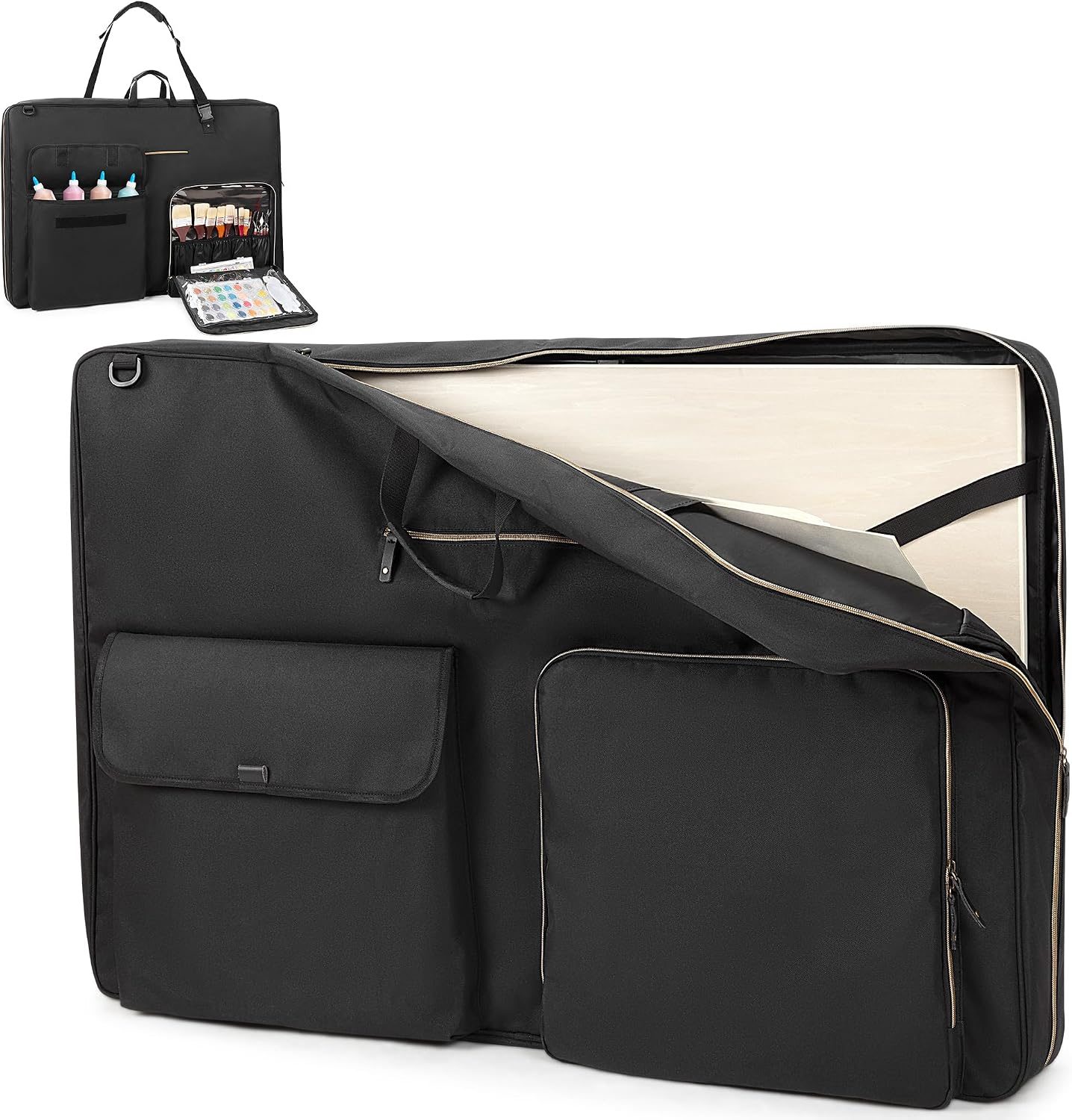
Innerspark.us – The best water-resistant artist portfolio case for travel and commuting is a hard-shell or heavy-duty ballistic nylon carrier that features sealed zippers and a reinforced, weather-proof lining to protect sensitive artwork from moisture, humidity, and physical impact.
Transporting professional artwork requires more than just a standard folder. Whether you are a student moving between studios or a professional architect traveling to client presentations, the unpredictable nature of weather—ranging from sudden downpours to high humidity—can ruin hours of meticulous work. A high-quality water-resistant portfolio is your primary line of defense against environmental damage.
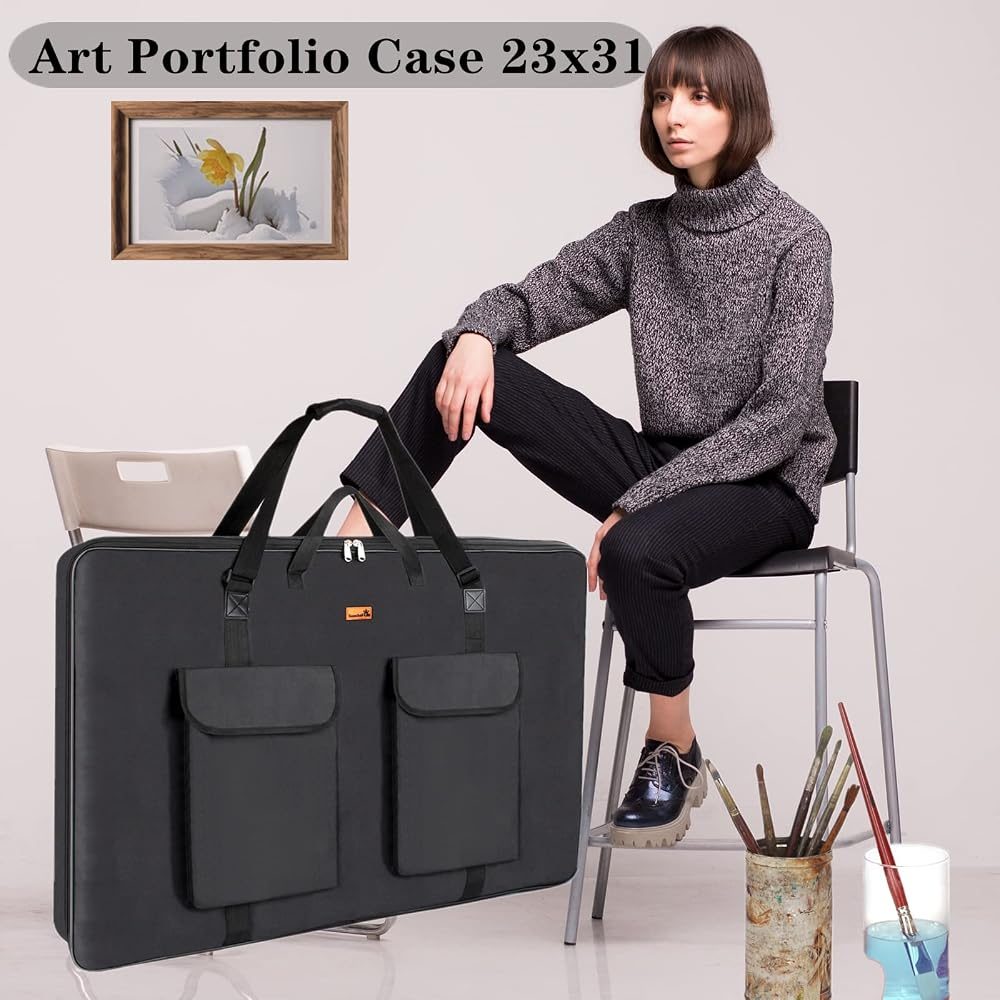
📷 Photo by qaqooking.wiki
Why Water Resistance Matters for Artists
Paper, canvas, and charcoal drawings are inherently porous. When exposed to moisture, paper fibers expand, causing buckling or “cockling.” If you are working with water-based media like watercolor or ink, even a small amount of humidity can cause pigments to bleed or smear. Beyond liquid water, high humidity can lead to mold growth on organic materials stored in non-breathable, low-quality plastic sleeves. Investing in a water-resistant case ensures that your portfolio remains a controlled environment, regardless of the conditions outside.
Key Features to Look For in a Commuter Portfolio
When selecting a case, you must balance portability with protection. A case that is completely waterproof might be too bulky for a subway commute, while a lightweight sleeve might offer zero protection against a heavy rainstorm. Look for materials like 1680D ballistic nylon with a DWR (Durable Water Repellent) coating or polypropylene hard shells. Additionally, check the zipper construction; YKK AquaGuard or similar rubberized, sealed zippers are essential for preventing water from seeping through the track.
| Feature | Why It Is Essential for Travel | Recommended Specification |
|---|---|---|
| Shell Material | Prevents physical puncture and water absorption. | 1680D Nylon or Hard Polypropylene |
| Zipper Type | Stops moisture from entering at the seams. | Sealed/Rubberized Zippers |
| Internal Straps | Keeps artwork from shifting during transit. | Elastic or Velcro Cross-straps |
| Handle Design | Reduces strain during long commutes. | Ergonomic, Padded Rubber Grip |
Common Mistakes When Protecting Artwork
One common mistake artists make is relying solely on the portfolio’s exterior. Even if your case is rated as waterproof, condensation can form inside if the temperature fluctuates rapidly. Always place your drawings inside acid-free, archival-grade plastic sleeves before putting them into the portfolio. These sleeves act as a secondary barrier against both moisture and physical oils from your hands.
Another error is overstuffing the case. When you force too many pieces into a portfolio, the edges of the artwork can press against the zipper line. This creates a gap in the seal, rendering your water-resistant features useless. Always ensure the case closes smoothly without forcing the frame.
Steps to Properly Pack Your Portfolio for a Commute
Following a systematic packing routine will maximize the lifespan of your work and the integrity of your case. Use these steps to ensure safety during daily travel:
- Clean and dry your artwork thoroughly; never pack a piece that has fresh fixative or wet paint, as this creates trapped humidity.
- Place each piece into an individual, acid-free archival sleeve to prevent surface scratching and provide an extra layer of moisture protection.
- Layer the artwork inside the portfolio, placing the largest or heaviest pieces at the back to maintain center of gravity.
- Secure the internal compression straps tightly to ensure that the contents do not slide or “slap” against the sides of the case while walking.
- Seal the zippers completely, ensuring that the zipper head is tucked into the protective garage or flap at the end of the track.
- Add a small desiccant silica gel packet in a corner of the portfolio to absorb any trapped moisture that might have entered during packing.
Assessing Durability for Frequent Commuters
If you are a daily commuter, the hardware of your portfolio is just as important as the fabric. Shoulder straps should have metal, not plastic, swivel hooks. Plastic clips are prone to snapping under the weight of a full portfolio, especially when the bag is exposed to cold temperatures, which makes plastic brittle. Look for reinforced stitching at the stress points where the handle meets the body of the bag; this is usually the first area to fail after months of heavy use.
The Role of Maintenance
A water-resistant case is not a “set it and forget it” item. Over time, the DWR coating on the exterior fabric will wear off, causing water to soak into the surface rather than bead off. You can restore this functionality by applying a spray-on fabric water repellent once every six months. Always clean the exterior with a damp cloth and mild soap, avoiding harsh solvents that could degrade the rubberized coating on the zippers.
Q: Can I use a regular laptop bag for my artwork if it is waterproof?
A: Generally, no. Laptop bags lack the rigid internal structure needed to prevent bending and creasing. Unless the bag is specifically designed for flat storage, your artwork will likely suffer from corner bends or edge damage during transit.
Q: How do I know if my portfolio is truly water-resistant?
A: Check the product description for an IP (Ingress Protection) rating or look for terms like “water-repellent fabric” combined with “sealed zippers.” If a bag only mentions “water-resistant” without mentioning zipper construction, it will likely leak during heavy rain.
Q: Should I carry my portfolio horizontally or vertically?
A: It is safer to carry your portfolio horizontally whenever possible. This prevents the artwork from sliding downward and putting pressure on the bottom edge of the sleeve, which is a common cause of dog-eared corners.
Ultimately, the best case is one that fits your specific workflow. If you primarily work in large-format prints, a rigid, hard-shell case is non-negotiable. For those carrying smaller sketches and digital tablets, a high-quality, weather-sealed soft case will provide the necessary protection without the cumbersome weight. Always prioritize a balance of structural rigidity, high-denier fabrics, and reliable zipper technology to keep your creative projects safe from the elements.
📷 Photo by amazon.com