




Innerspark.us – Velvet Fine Art paper features a pronounced, matte, and slightly toothy texture ideal for depth and artistic character, whereas Smooth Rag paper offers a flat, refined surface that prioritizes extreme detail and sharp photographic resolution.
Choosing between Velvet Fine Art and Smooth Rag is one of the most significant decisions a printer makes when preparing a high-end digital print. These two substrates cater to fundamentally different aesthetic goals, and understanding their physical properties is the key to elevating your portfolio from standard output to gallery-quality art.
The Anatomy of Velvet Fine Art Paper
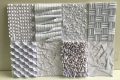
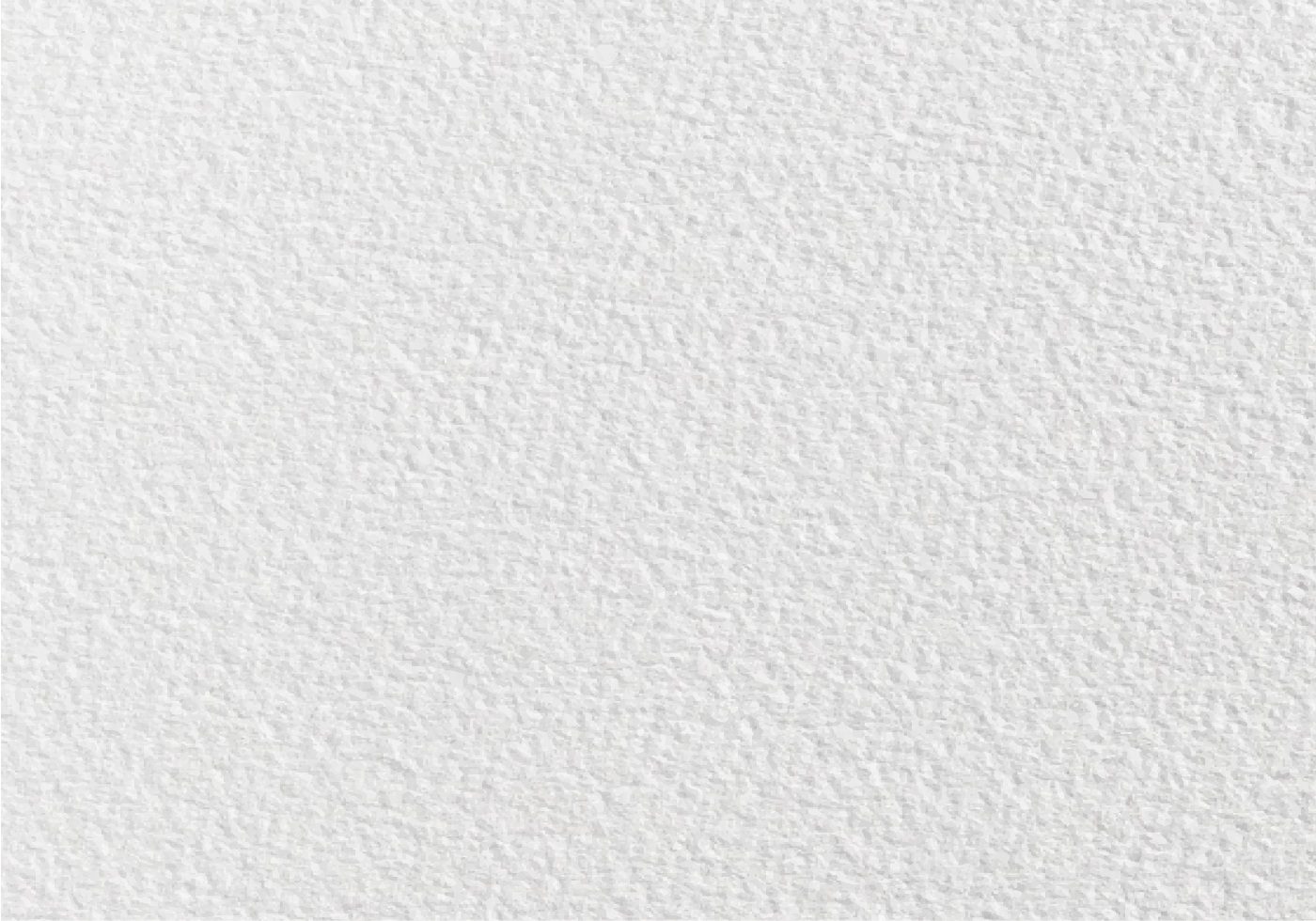
Velvet Fine Art paper is typically characterized by a soft, matte finish that mimics the look and feel of traditional watercolor paper. The surface is not entirely flat; it possesses what printers call “tooth,” which is a subtle, microscopic texture. This texture is engineered to hold ink in a way that creates a soft, painterly effect.
The primary advantage of this texture is its ability to diffuse light. Because the surface is matte and slightly irregular, it does not suffer from glare, making it exceptionally easy to view under various lighting conditions. This makes it the preferred choice for reproductions of oil paintings, charcoal drawings, and any image where a soft, non-reflective aesthetic is desired.
The Precision of Smooth Rag
Smooth Rag, often referred to as photo rag or smooth cotton, is the antithesis of the velvet finish. It is crafted to be as flat and uniform as humanly possible. This paper is usually made from 100 percent cotton fiber, which provides a luxurious, heavy weight, but the coating process is specifically designed to eliminate surface grain.
The goal of Smooth Rag is to provide a blank canvas that does not interfere with the image. When you print a high-resolution photograph with intricate details—such as the fine lines of a landscape or the pores in a portrait—Smooth Rag ensures that every pixel is rendered with crisp, clinical accuracy. It is the gold standard for high-end photography where detail retention is the highest priority.

📷 Photo by artstation.com
Comparing the Two Substrates
The choice between these two often comes down to the subject matter of your work. If your image contains fine, geometric lines or high-contrast edges, the texture of Velvet Fine Art might cause those edges to look slightly “soft” or out of focus. Conversely, if you print a portrait on Smooth Rag, the lack of texture might make the skin look too clinical or digital.
| Feature | Velvet Fine Art | Smooth Rag |
|---|---|---|
| Surface Texture | Pronounced, soft tooth | Flat, ultra-smooth |
| Best For | Paintings, charcoal, art prints | Sharp photography, detailed graphics |
| Light Reflection | Low (Matte) | Minimal (Ultra-Matte) |
| Detail Retention | Moderate | Extreme |
How to Choose the Right Paper for Your Project
Selecting the correct paper is a systematic process. Follow these steps to ensure your print matches your creative vision.
- Evaluate your source file resolution: If your file is a high-megapixel RAW photograph, lean toward Smooth Rag to preserve the sharpness. If it is a digital scan of a textured painting, choose Velvet Fine Art to maintain the organic feel.
- Assess the lighting of your display space: If the print will be displayed behind glass, the matte nature of both papers is an advantage, but Velvet Fine Art will hide minor imperfections in the glass better than Smooth Rag.
- Perform a small test print: Always order a sample pack. Print the same 4×6 inch section of your image on both surfaces to see how the ink spreads into the fibers.
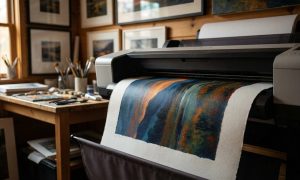
- Check your printer compatibility: Ensure your printer settings are adjusted for the specific paper thickness. Velvet paper is often thicker and may require a rear-feed path to prevent jamming.
Common Mistakes When Using Fine Art Paper
One of the most frequent errors artists make is failing to adjust their printer’s media settings. Both Velvet and Smooth Rag are thicker than standard office paper. If you do not tell your printer driver that you are using heavy art paper, the print head may sit too far from the surface, leading to blurry edges or ink smearing.
Read also: How to Create a Commission Price Sheet for Your Art Website
Another common mistake is ignoring the “d-max” or black density capabilities. Velvet paper, due to its texture, often absorbs more ink. If you do not use the correct ICC profile for your specific printer and paper combination, you may find that your shadows look muddy or lack depth. Always download the ICC profile provided by the paper manufacturer to ensure the color management system compensates for the surface absorption rate.
Environmental Considerations
Both papers are typically acid-free and lignin-free, which is essential for archival longevity. However, cotton-based rags are generally more stable over long periods than wood-pulp-based papers. If you are creating prints for sale, emphasize the archival nature of these papers to your clients. The weight of the paper, usually measured in grams per square meter (GSM), also plays a role. A higher GSM, such as 300gsm, provides a more premium “heft” that customers associate with high-value artwork.
Frequently Asked Questions
Q: Can I use Smooth Rag for scanning and printing fine art paintings?
A: You can, but you will lose the “texture” of the original canvas. If you want to replicate the look of a painting, Velvet Fine Art is almost always the superior choice because its surface mimics the tactile quality of traditional media.
Q: Does the texture of Velvet Fine Art make it harder to print fine text?
A: Yes. Because the surface has a distinct tooth, small text can bleed slightly into the texture, making it appear less crisp. If your print includes heavy typography or fine text, Smooth Rag is the better option for legibility.
Q: Do these papers require special handling?
A: Both are highly susceptible to skin oils. Always handle these papers by the edges or wear thin cotton gloves. A single fingerprint on the printable side can ruin the coating and cause the ink to pool unevenly during the printing process.
Finalizing your choice depends on the narrative you want your print to convey. If you want to emphasize the artistic process and the human hand, Velvet Fine Art is your best partner. If you want to emphasize technological precision and the clarity of a moment captured, Smooth Rag will deliver the professional results your work deserves.
📷 Photo by windowfixdgrepair.co.uk