




Innerspark.us – Pitching your illustration portfolio to book publishers requires a curated selection of your strongest, story-driven work tailored specifically to the publisher’s aesthetic and target genre. Success hinges on a professional, concise approach that demonstrates your ability to interpret text visually while maintaining a consistent artistic voice.
Understanding the Publisher’s Needs
Before sending a single email, you must recognize that art directors at publishing houses are looking for more than just pretty pictures. They are looking for visual storytellers who can handle character consistency across dozens of pages. They need to see that you understand pacing, composition, and how to leave negative space for text layout. If your portfolio is filled only with standalone portraits, you are missing the opportunity to show them you can manage the technical requirements of a book project.
Research is your most powerful tool. Do not engage in mass-emailing. Instead, spend time identifying publishers that align with your style. If you specialize in dark, moody graphite illustrations, do not pitch to a publisher known exclusively for bright, neon-colored board books. Tailoring your pitch shows respect for their brand and increases your chances of a genuine response.
Curating Your Portfolio for Impact
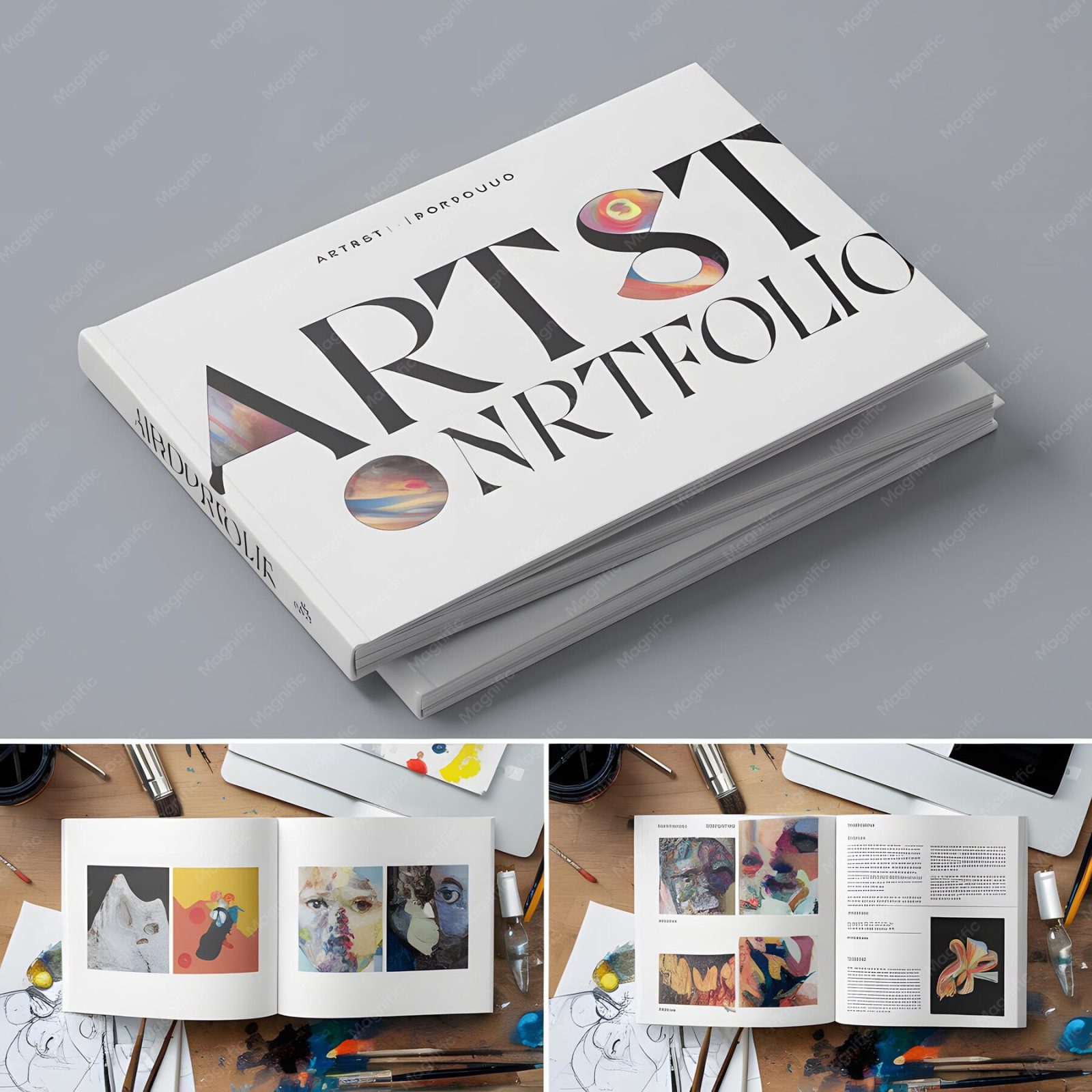
Your portfolio should be a focused selection of 10 to 15 high-quality pieces. Avoid the temptation to include every piece you have ever created. Art directors value brevity; they want to see your best work within the first three clicks. Ensure your portfolio includes at least one sequence of images that shows the same character in different emotional states or settings, as this proves you can sustain a narrative thread.
Essential Portfolio Components
| Element | Purpose | Best Practice |
|---|---|---|
| Character Sheet | Shows consistency | Display character from multiple angles |
| Sequential Art | Shows pacing | 2-3 panels telling a mini-story |
| Atmospheric Sketches | Shows mood | Include raw, expressive pencil work |
| Cover Concept | Shows marketing eye | Design one book cover with placeholder text |
The Pitching Process: A Step-by-Step Guide
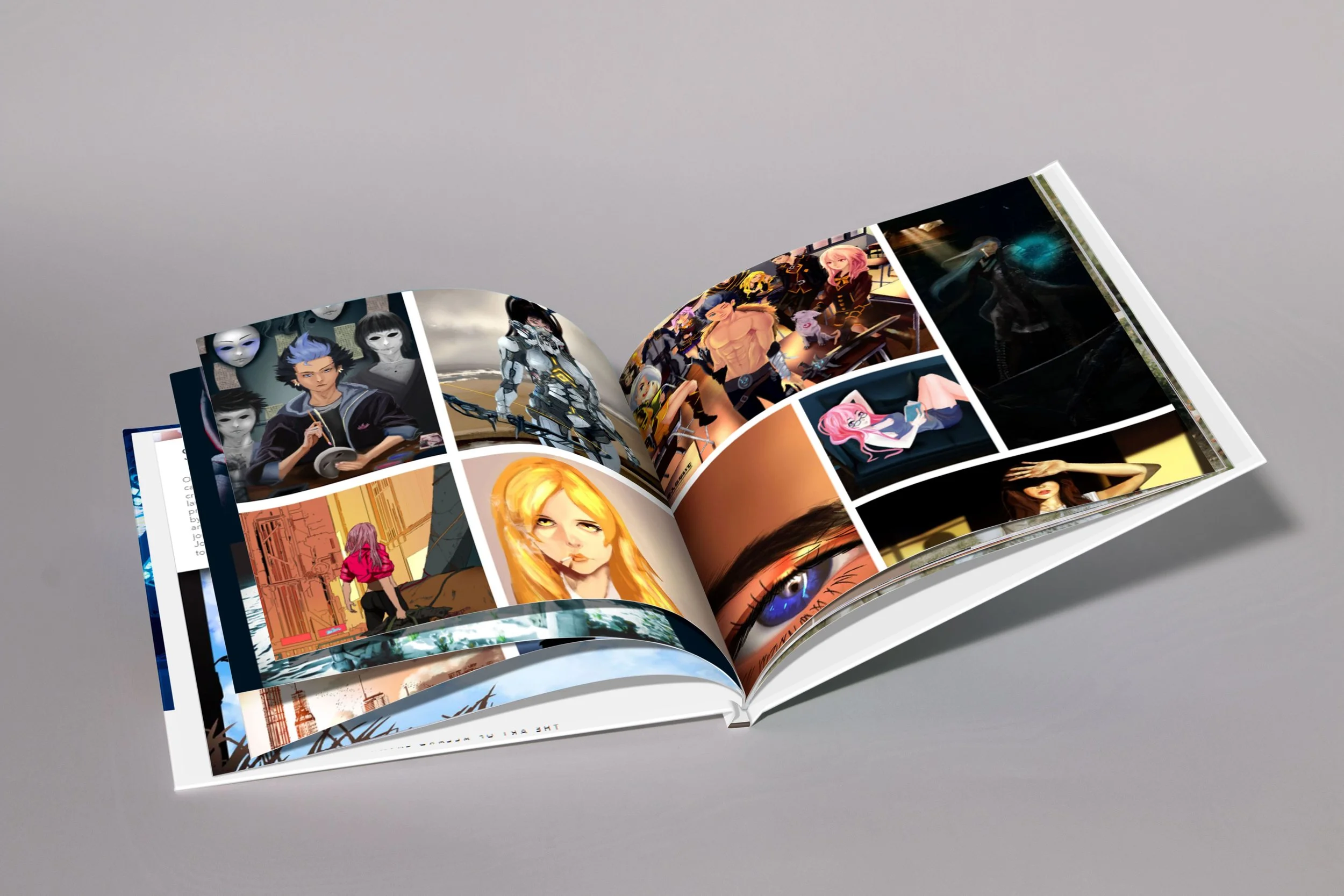
📷 Photo by mixbook.com
When you are ready to reach out, follow a structured process to ensure professionalism. A haphazard email often ends up in the trash folder before it is even read.
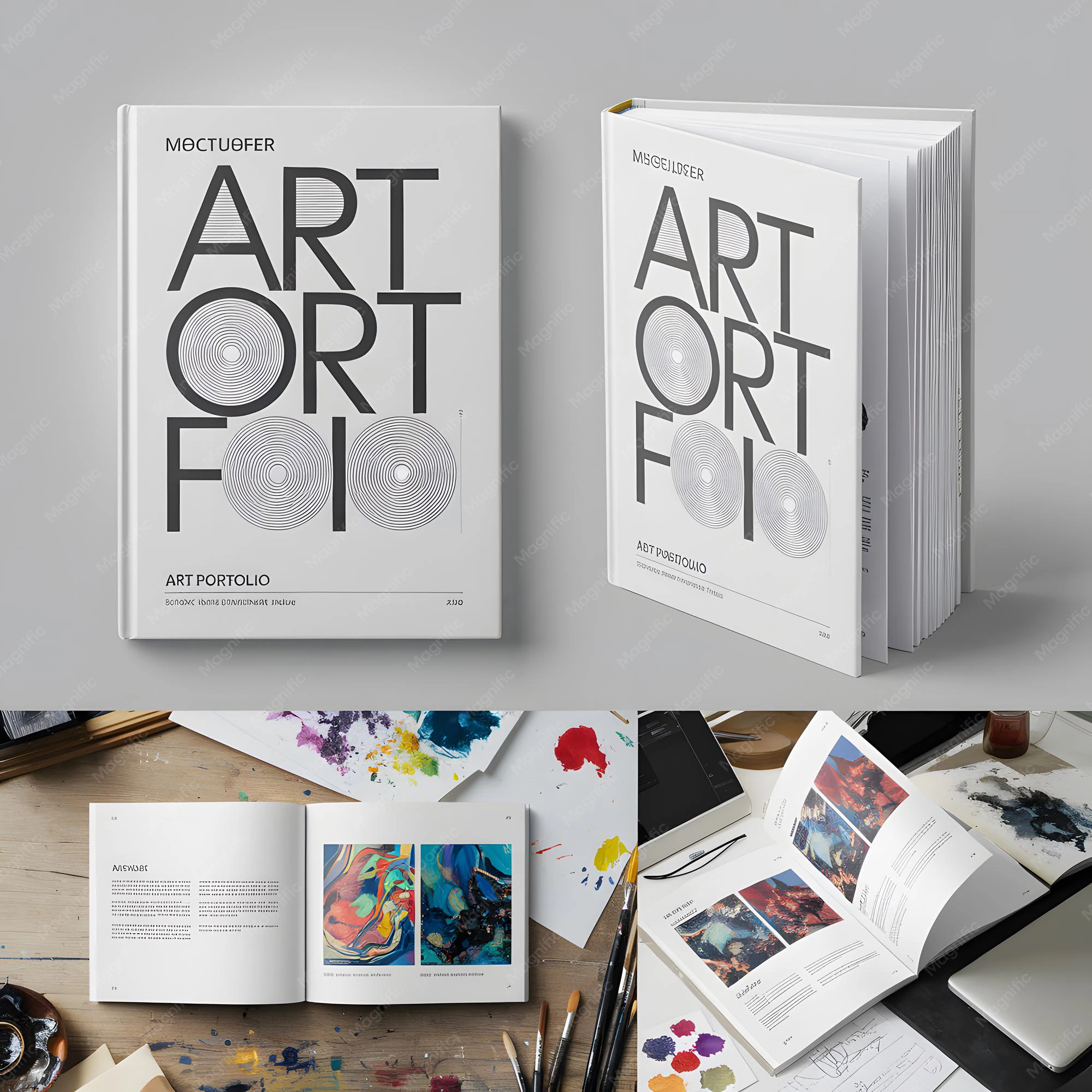
📷 Photo by freepik.com
- Identify the specific Art Director or Creative Director at the publishing house via their website or professional networking sites.
- Draft a concise, personalized email that addresses the recipient by name and mentions a recent book they published that you admired.
- Provide a direct link to your online portfolio; never attach large files that clog up their inbox unless explicitly requested.
- Include a brief bio highlighting any relevant experience, such as self-publishing, gallery work, or professional freelance commissions.
- Set a reminder to follow up exactly three weeks after your initial email if you have not received a response.
Common Pitfalls to Avoid
One of the most frequent mistakes illustrators make is a lack of focus. If your portfolio jumps from hyper-realistic oil paintings to vector-based children’s book art, the art director will not know how to categorize you. It is better to have a specialized portfolio that fits a niche than a broad one that feels confused. If you have two distinct styles, create two separate websites or PDF portfolios.
Another error is failing to proofread. A typo in your contact information or a broken link in your portfolio reflects poorly on your professional reliability. Remember, publishing is a business built on deadlines and detail-oriented work. Your communication style is the first indicator of how you will handle a contract.
The Reality of Professional Feedback
Expect silence or polite rejections in the beginning. This is not necessarily a reflection of your talent, but rather a matter of timing and current needs. Publishers often have their rosters planned months or even years in advance. Keep your work updated, continue to refine your craft, and periodically send updates to art directors who have expressed interest in the past. Persistence, paired with a high-quality portfolio, is what eventually bridges the gap between an aspiring illustrator and a published professional.
Frequently Asked Questions
Q: Should I send physical mailers or digital links?
A: Digital links are the industry standard. They are easier for art directors to store, share with their team, and access on the go. Only send physical mailers if you have a very specific, high-end promotional piece that demands a tactile experience.
Q: How often should I update my portfolio?
A: Update your portfolio whenever you produce work that is stronger than what is currently displayed. Aim for a major audit at least every six months to ensure your work feels fresh and current.
Q: Is it okay to pitch to multiple publishers at once?
A: Yes, but keep your emails individual. Never CC a list of editors in one message; it looks unprofessional and lazy. Each email must feel like a personal conversation between you and the recipient.
By focusing on clarity, consistency, and professional etiquette, you transform your portfolio from a mere collection of images into a strategic business asset. Keep your work visible, keep your outreach targeted, and remain patient as you build your reputation within the publishing industry.
📷 Photo by freepik.com