





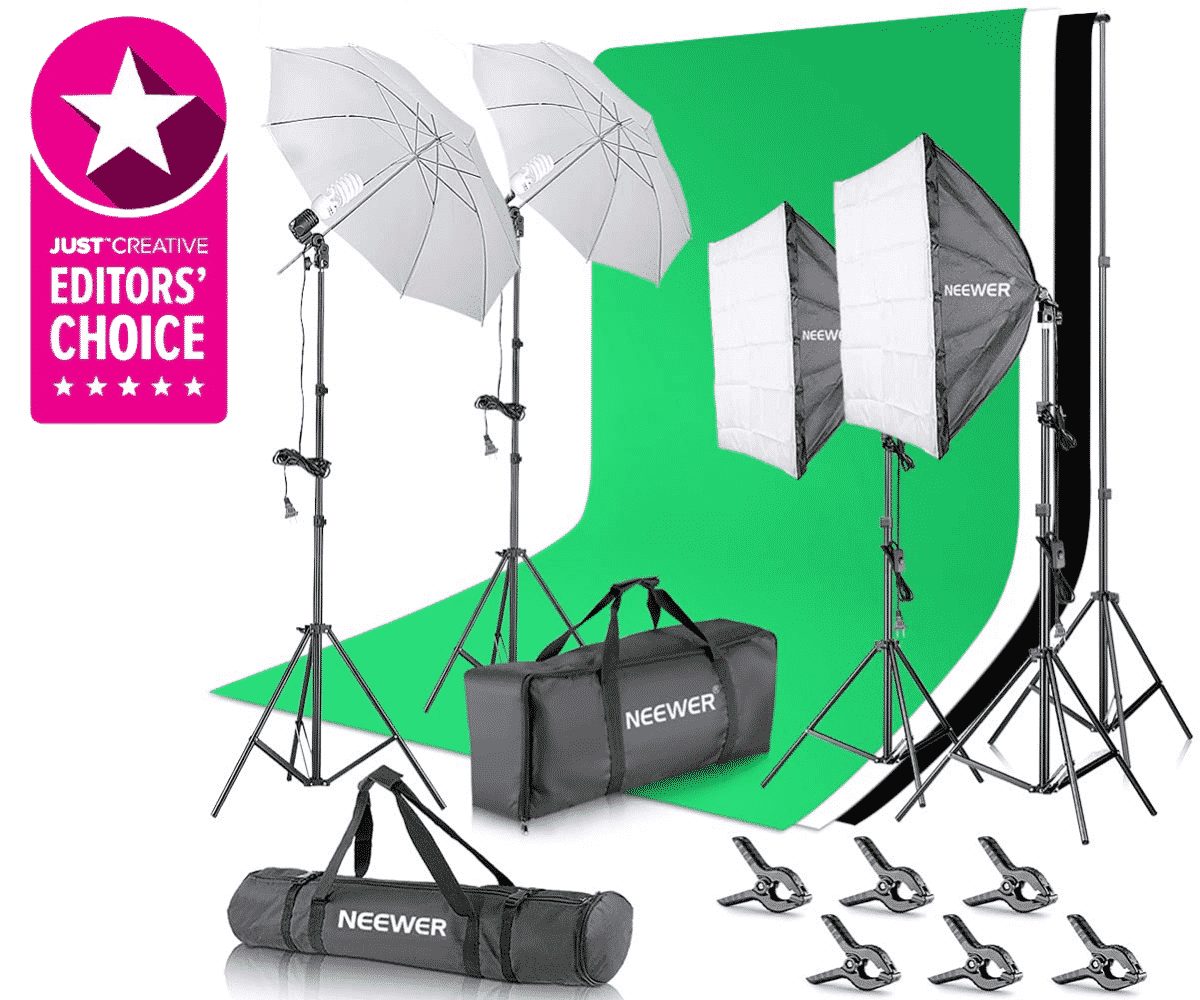
Innerspark.us – LED studio lighting kits offer superior versatility and real-time visual feedback for art photography, while traditional strobe lights remain the gold standard for freezing motion and achieving high-intensity output in controlled environments.
Choosing between LED studio lighting and traditional strobe lights is one of the most critical decisions for an art photographer. The transition from the classic flash-based workflow to the modern continuous light approach involves more than just a change in equipment; it changes how you interact with your subject and how you perceive light as it hits your canvas or studio backdrop.
Understanding the Core Differences
Traditional strobe lights function by emitting a brief, high-intensity burst of light synchronized with your camera shutter. This technology has been the backbone of professional photography for decades because it mimics the brightness of the sun, allowing photographers to use low ISO settings for maximum image quality and sharp depth of field. Because the light is so powerful, it easily overcomes ambient light, making it ideal for large studio setups.
LED studio lighting kits provide continuous illumination. This means what you see is exactly what you get. As you move the light, change its intensity, or adjust its color temperature, you see the shadows shifting on your subject in real-time. This is a massive advantage for art photography, where the placement of highlights and the depth of shadows are often the most vital components of the artistic composition.
Performance Comparison Table
| Feature | LED Studio Lights | Traditional Strobe Lights |
|---|---|---|
| Light Output | Continuous, adjustable | High-intensity burst |
| Ease of Use | Beginner-friendly (WYSIWYG) | Steep learning curve |
| Motion Freezing | Requires high shutter speed | Excellent (short flash duration) |
| Heat Emission | Low (Cool to touch) | High (Requires cooling) |
| Portability | Highly portable/battery options | Bulky, requires sync cables |
Why LED Lighting is Revolutionizing Art Photography
The rise of high-CRI (Color Rendering Index) LED technology has made continuous lighting a viable competitor to strobes. For art photography, color accuracy is non-negotiable. Modern LED kits often boast CRI ratings of 95 or higher, ensuring that the colors of your artwork or subject are represented with clinical precision. This removes the guesswork often associated with white balance adjustments in post-production.
Furthermore, LED lights are significantly more energy-efficient and generate minimal heat. If you are photographing delicate art pieces, heat-sensitive materials, or even live models for an extended period, LEDs prevent the discomfort and potential damage that traditional hot lights or high-power strobes might cause. The ability to dim the lights without changing the color temperature is another feature that makes LEDs a favorite for those who prefer a fluid, experimental creative process.
When to Stick with Traditional Strobe Lights
Despite the convenience of LEDs, strobes are not obsolete. If your art photography involves high-speed action, such as capturing paint splashes, flying fabric, or any subject that moves rapidly, a strobe light is necessary. The extremely short flash duration of a professional strobe acts like a shutter within a shutter, effectively freezing motion that would otherwise result in motion blur, even at fast shutter speeds.
Additionally, if you are working in a studio environment with significant ambient light leakage, strobes provide the raw power needed to overpower those unwanted light sources. They also integrate seamlessly with a wide range of light-shaping tools like large softboxes and beauty dishes, which are designed to handle the specific light spread of a flash bulb.
Practical Steps to Choose Your Lighting Kit
- Assess your primary subject matter: If your work is still-life or portraiture with minimal movement, prioritize LED kits for their ease of use.
- Evaluate your studio space: If you have limited space and need to manage heat, LEDs are the practical choice. If you have a large, dedicated studio, the raw power of strobes may be more beneficial.
- Determine your budget for light modifiers: Strobes often require more expensive, flash-specific modifiers, whereas many LEDs use standard Bowens mounts compatible with more affordable accessories.
- Test your post-production workflow: If you struggle with color consistency, the “What You See Is What You Get” nature of LEDs will significantly reduce your editing time.
- Consider the long-term maintenance: Strobes require bulb replacements and capacitor management, while LED panels generally have a longer operational lifespan.
Common Mistakes to Avoid
A frequent error among photographers is mixing different types of light sources without considering color temperature. If you combine a daylight-balanced LED with a tungsten-balanced strobe, your images will have inconsistent color casts that are difficult to correct in software. Always ensure your light sources are color-matched.
Another mistake is underestimating the power requirements of LEDs. While they are efficient, affordable entry-level LEDs often lack the output required to shoot at low ISOs. If you choose LEDs, ensure you invest in high-wattage units to avoid having to push your camera’s ISO, which introduces digital noise into your fine art photography.
Frequently Asked Questions
Q: Can I use LED lights for professional portrait photography?
A: Yes, provided the LED kit has a high CRI rating (95+) to ensure accurate skin tones and sufficient wattage to allow for a shallow depth of field.
Q: Do I need a sync cord for LED lights?
A: No, LED lights are continuous, meaning they stay on while you shoot. You do not need to sync them to your camera shutter like you do with traditional strobes.
Q: Are LED lights better for beginners?
A: Generally, yes. Because they provide constant light, you can see exactly how shadows fall on your subject before you press the shutter, which is a massive learning advantage.
Ultimately, the choice between LED and strobe depends on the specific requirements of your art. If your priority is creative exploration and ease of setup, go with LED. If your priority is total control over motion and raw power, stick with the reliability of traditional strobes.
Read also: How to Scan Oversized Artwork for Digital Portfolio Showcases
📷 Photo by justcreative.com