





Innerspark.us – Securing your first gallery exhibition as an emerging artist requires shifting your focus from simply creating art to building a professional portfolio, researching niche gallery spaces that align with your style, and approaching curators with a concise, evidence-based proposal.
The journey from the studio to a gallery wall is often perceived as an exclusive club, but it is actually a process of strategic networking and professional presentation. Many unknown artists fail because they attempt to approach high-end commercial galleries before they have a cohesive body of work or a digital presence. To break into the scene, you must treat your art practice like a business, ensuring your portfolio reflects a consistent vision rather than a collection of disparate experiments.
Developing a Gallery-Ready Portfolio
Galleries are not looking for raw talent alone; they are looking for artists who have a clear, mature artistic voice. Before reaching out to any curator, you must curate a series of 10 to 15 pieces that share a common theme, color palette, or technical approach. This consistency proves to a gallery owner that you are capable of producing a unified show that will look professional on their walls.
Your documentation is equally important. High-resolution photography of your work is non-negotiable. If a gallery cannot see the texture, scale, and detail of your work through your digital portfolio, they will likely dismiss your application. Invest in professional lighting or hire a photographer to capture your work against a neutral background. A clean, minimalist website or a well-organized PDF portfolio is the primary tool that will bridge the gap between your studio and the gallery director’s desk.
Identifying the Right Gallery Fit
One of the most common mistakes artists make is “spray and pray” emailing—sending generic inquiries to every gallery in the city. This is a waste of time and often marks you as an amateur. Instead, spend time researching spaces that exhibit work similar in tone, price point, and subject matter to your own. Visit these galleries in person, observe their curation style, and note the names of the artists they represent.

📷 Photo by 1stdibs.com
Consider smaller, alternative spaces, artist-run collectives, or pop-up galleries for your first exhibition. These venues are often more open to emerging talent and provide an excellent platform to build your exhibition history. Once you have a track record of smaller shows, it becomes significantly easier to approach larger, more established commercial galleries.
Strategic Steps to Secure Your First Exhibition
- Define your niche and create a cohesive body of work consisting of at least 10–12 pieces that tell a singular story or explore a specific concept.
- Build a professional artist website that includes an artist statement, a biography, a high-quality portfolio, and a clear contact page.
- Research a list of 15–20 local galleries that align with your aesthetic, keeping track of their submission guidelines on a spreadsheet.
- Draft a personalized inquiry email for each gallery, mentioning specific exhibitions of theirs that you enjoyed and explaining why your work would be a good fit for their program.
- Follow up exactly once, two weeks after your initial email, if you haven’t heard back, then move on to the next prospect on your list.
Comparison of Exhibition Venues
| Venue Type | Pros | Cons | Best For |
|---|---|---|---|
| Artist-Run Collective | High creative control, community support | Requires self-funding and marketing | New artists starting out |
| Commercial Gallery | Prestige, established collector base | High commission, hard to get into | Artists with a consistent track record |
| Pop-up Gallery | Low cost, high flexibility | Temporary, lacks long-term prestige | Testing new concepts or series |
| Café or Public Space | High foot traffic, easy access | Non-traditional lighting, less “prestige” | First-time exposure and local networking |
Common Pitfalls to Avoid
Avoid the “starving artist” complex when communicating with galleries. When you reach out, be professional, prompt, and appreciative of their time. Never walk into a gallery during their busiest hours carrying your physical portfolio; this is considered highly unprofessional. Always call ahead or check their website to see if they accept “walk-in” reviews, though most professional galleries prefer digital submissions via email or their online portal.
Another pitfall is failing to understand the financial aspect of the relationship. Most galleries operate on a commission basis, typically taking 40% to 50% of the sale price. Be prepared to discuss pricing, insurance, and shipping logistics. If you are unprepared for these business-side questions, you will struggle to gain the trust of a gallery director who needs to know that you are reliable and organized.
Building Long-term Relationships
Even if a gallery says “no,” do not take it as a permanent rejection. The art world is small, and curators often move between galleries or keep files on artists they like but cannot fit into their current schedule. Send a polite thank-you note if they provide feedback, and keep them updated on your progress once or twice a year. Building a reputation as a professional, resilient, and proactive artist is just as important as the quality of the art itself.
Q: Should I include pricing in my initial inquiry email to a gallery?
Read also: How to Choose Key Lighting Angles to Reveal Painting Texture
A: No. Focus on the art and the concept first. Pricing is a secondary conversation that should only happen once the gallery expresses genuine interest in your work.
Q: How long should my artist statement be?
A: Keep it concise, ideally between 150 and 300 words. It should explain the “why” behind your work without using overly academic or unnecessarily complex jargon.
Q: Is it better to have a solo show or a group show?
A: For your first exhibition, a group show is often more manageable and less risky. It allows you to gain exposure without the pressure of filling an entire gallery space on your own.
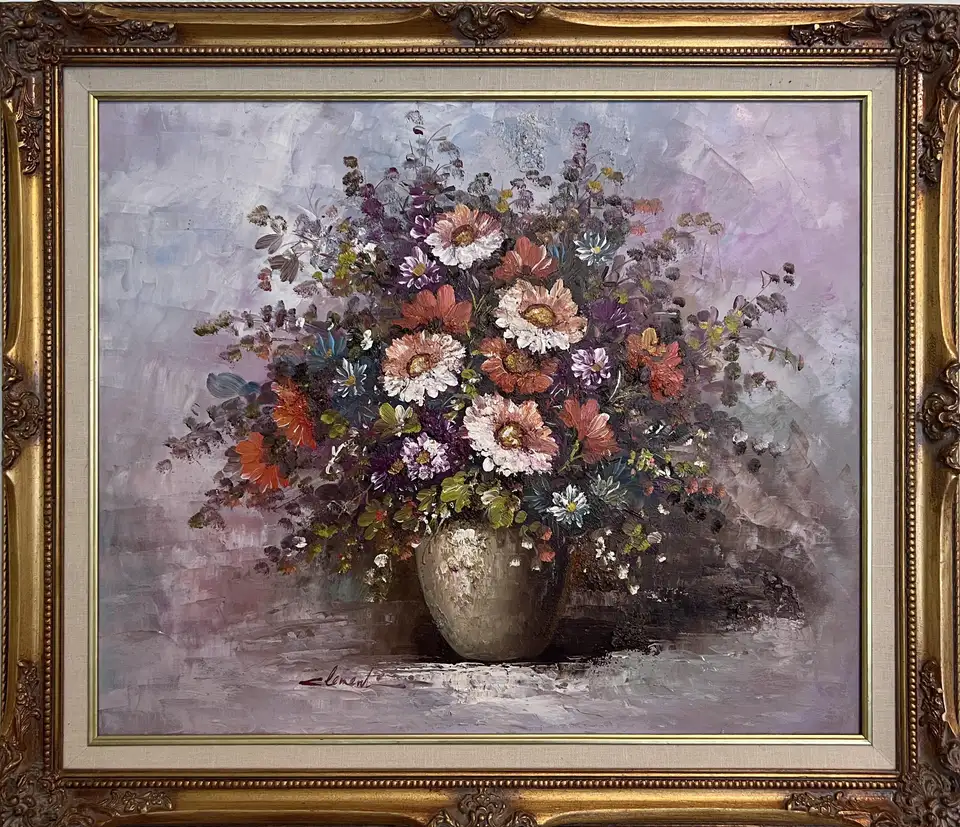
📷 Photo by 1stdibs.com
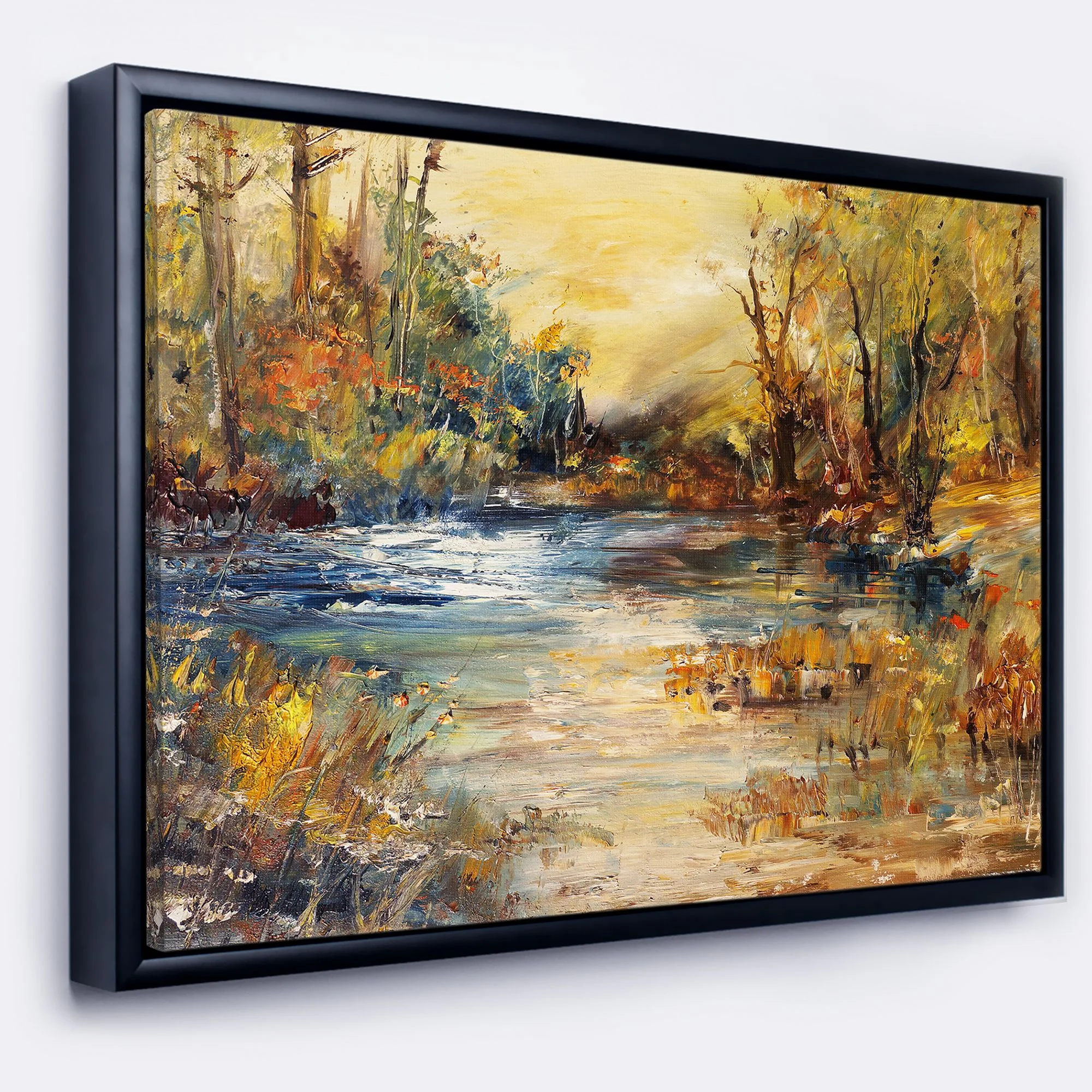
📷 Photo by exoupfqgq.blob.core.windows.net
Success in the gallery world is rarely an overnight phenomenon. It is the cumulative result of consistent production, professional outreach, and the ability to handle rejection with grace. By focusing on the quality of your presentation and the specificity of your target audience, you move from being an unknown artist to a recognizable name in the local art ecosystem.
📷 Photo by 1stdibs.com