




Innerspark.us – Culling photography shoots involves a systematic process of elimination that prioritizes technical precision, narrative relevance, and emotional impact to select only your most compelling images for a professional portfolio.
The transition from a raw shoot to a finished portfolio is where the true art of photography is finalized. Many photographers struggle with the psychological attachment to their images, often keeping mediocre shots simply because they remember the effort it took to capture them. However, a portfolio is defined by the quality of its weakest link. By adopting a ruthless yet structured culling workflow, you ensure that your public-facing work represents your highest standard of excellence.
The Psychology of Detachment
The primary barrier to effective culling is emotional bias. When you look at your own work, you often see the experience of the day rather than the objective quality of the frame. To overcome this, you must treat your images as if they were captured by a stranger. If a photograph does not contribute to the visual story or demonstrate a specific skill, it must be discarded, regardless of how much you enjoyed the moment of creation.
Technical flaws are the easiest starting point for culling. Focus, exposure, and composition are the non-negotiables. If a shot is slightly soft or the lighting is distracting, it will likely be perceived as an amateur mistake by a potential client or editor. It is always better to have three perfect images than a gallery of twenty that contains five “almost good” shots.
A Systematic Culling Workflow
Efficiency in culling comes from a multi-pass system. Instead of trying to pick your favorites immediately, break the process down into distinct stages to prevent decision fatigue. Follow these steps to refine your selection:
- The Technical Purge: Go through your entire shoot and delete any images that are out of focus, have motion blur, or suffer from severe exposure errors. Do not linger on these; if it is technically flawed, it is gone.
- The Narrative Pass: Select the images that tell the story of the shoot. Look for a beginning, middle, and end. If you have ten shots of the same subject from the same angle, pick the one that has the best expression or composition and discard the duplicates.
- The Comparative Pass: Group similar images together side-by-side. Compare them against each other to see which one has the strongest impact. Often, you will find that one image naturally outshines the rest.
- The Portfolio Filter: Once you have your selection, ask yourself if the image fits your brand. Does it align with the style you want to be hired for? If an image is technically great but stylistically inconsistent with your portfolio, move it to a private archive.
Comparative Checklist for Selection
When you are down to your final candidates, use this table to evaluate whether an image deserves a spot in your portfolio.
| Criterion | What to Look For | Decision Factor |
|---|---|---|
| Technical Integrity | Sharp focus on eyes, correct exposure. | Is the image crisp and professional? |
| Emotional Impact | Authentic expression, mood, narrative. | Does the viewer feel something? |
| Compositional Balance | Rule of thirds, leading lines, no distractions. | Is the eye guided to the subject? |
| Portfolio Alignment | Consistency with your overall style. | Does it match your brand identity? |
Common Culling Mistakes
One of the most frequent errors photographers make is over-delivering to clients, which often bleeds into their portfolio curation. Including too many images dilutes the impact of your best work. A portfolio should be a highlight reel, not a documentary record of every shutter click. Aim for a tight, high-impact collection that showcases your versatility without showing every single variation of a pose.
Another common mistake is failing to take a break. After staring at a screen for an hour, your eyes become desensitized to subtle differences in color and composition. Always step away from your computer for at least thirty minutes after your first pass. Returning with fresh eyes allows you to spot issues you previously missed, such as a distracting background element or a slightly awkward hand position.
The Power of the “Maybe” Folder
If you are struggling to delete an image, move it to a “Maybe” folder instead of your main selection. Revisit this folder 24 hours later. You will find that your perspective has shifted, and it will be significantly easier to decide whether those remaining images add value to your work or if they are simply taking up space.
Ultimately, a strong portfolio is a living document. It should be updated and pruned regularly. As your skills grow, older images that once seemed perfect may no longer meet your standards. Do not be afraid to remove your older, weaker work to make room for your newer, stronger images. This constant refinement is the hallmark of a professional who is dedicated to growth.
Q: How many images should I include in my portfolio?
A: A high-quality portfolio should generally contain between 15 to 25 images. It is better to have 15 images that are all masterpieces than 50 images that are a mix of great and average work.
Q: Should I keep raw files of the photos I cull?
A: It is standard practice to archive your raw files on a secondary hard drive for a year or two, just in case a client requests a specific shot you initially discarded. However, do not keep them in your working catalog, as this will clutter your workflow and slow down your editing software.
Q: How often should I update my portfolio?
A: You should aim to review and update your portfolio every three to six months. This ensures that your most recent, high-level work is always front and center, reflecting your current technical and creative capabilities.
By treating the culling process as a critical component of your creative workflow rather than a chore, you elevate your photography. The best photographers are not just those who can capture a moment, but those who have the discipline to recognize which moments deserve to be seen by the world.
Read also: Archival Pigment Inks vs Dye Inks: Fade Resistance Comparison
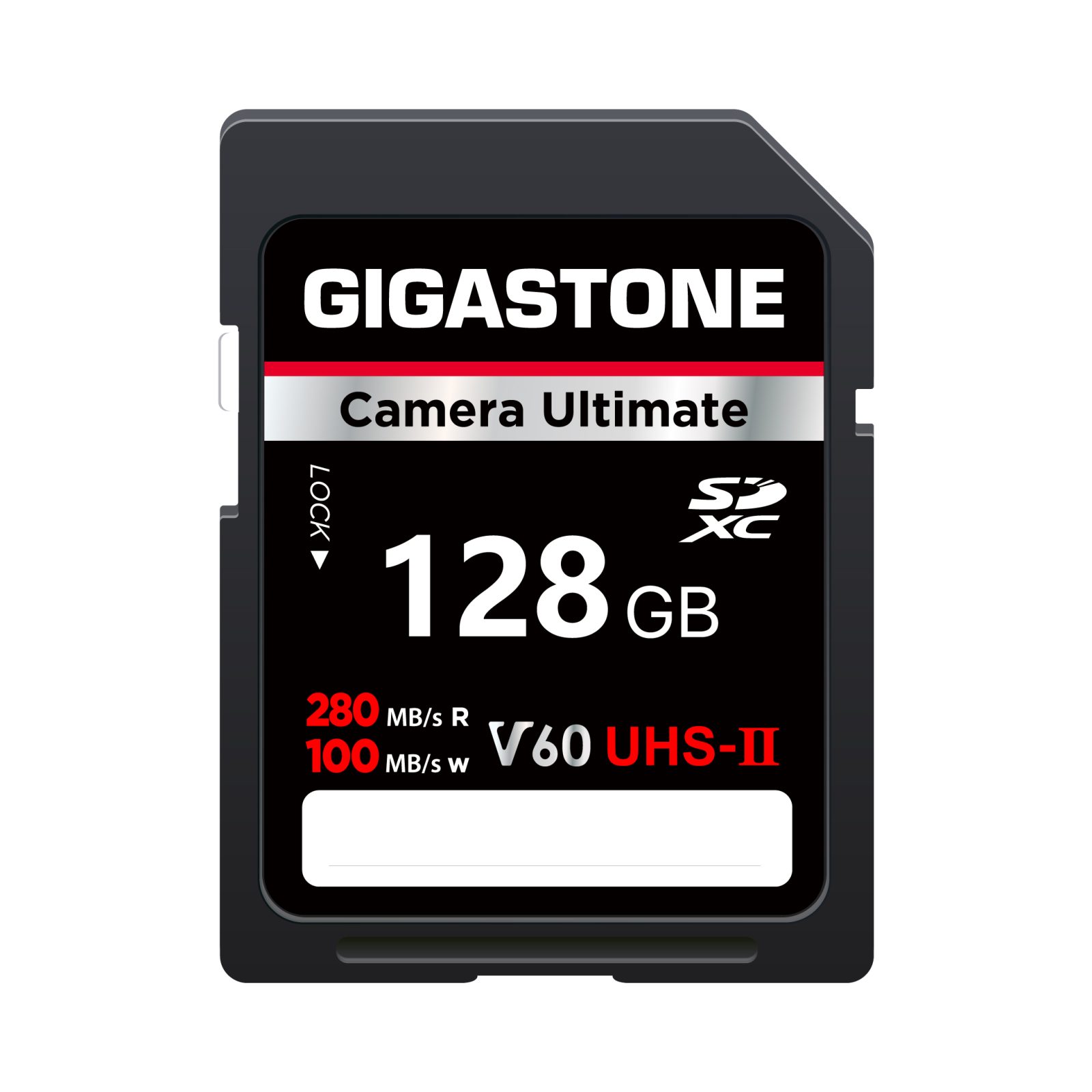
📷 Photo by gigastone.com