



Innerspark.us – Moody art photography relies on the strategic use of gobos and flags to carve light, control shadows, and eliminate unwanted light spill, effectively sculpting the subject with high-contrast, cinematic textures.
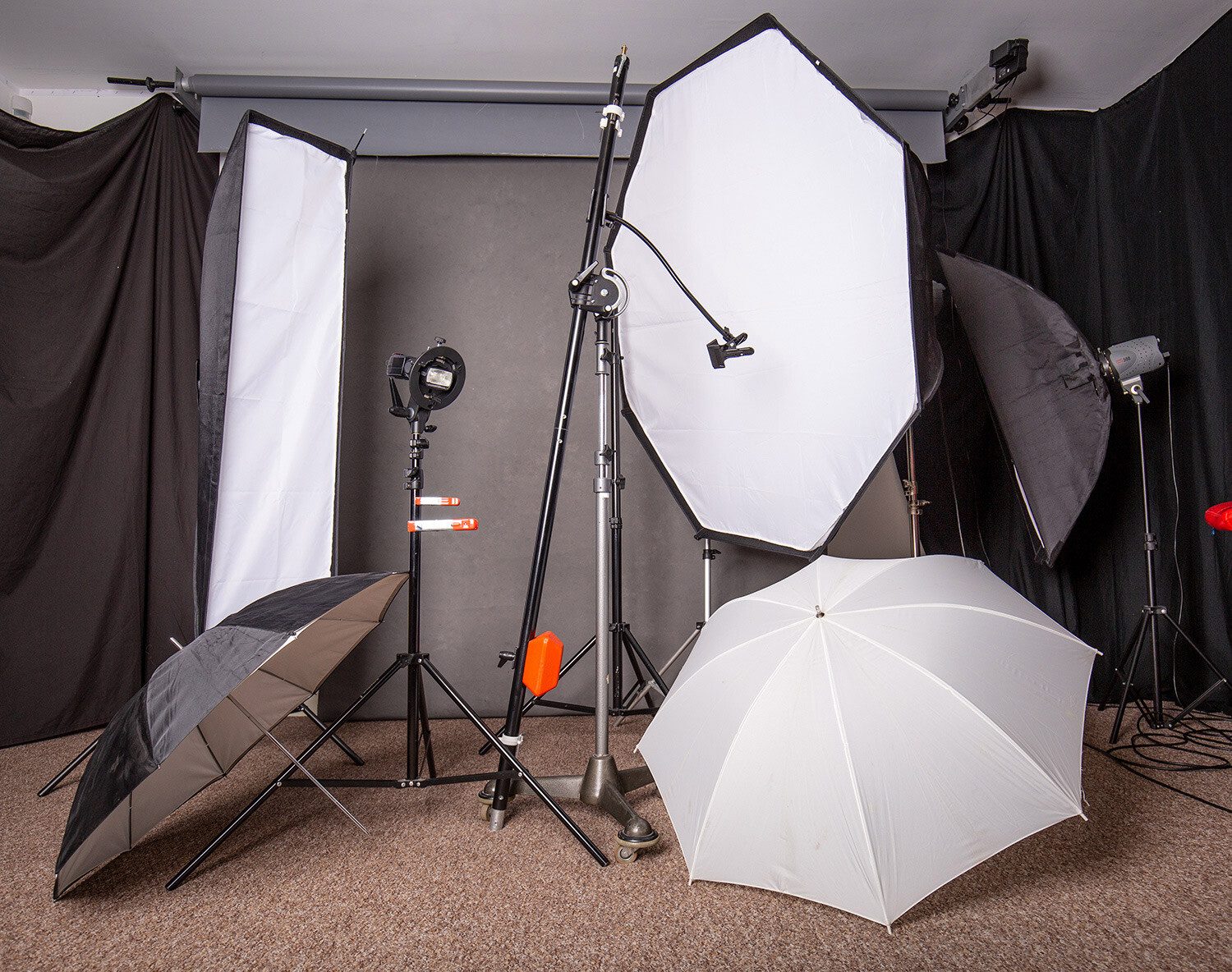
📷 Photo by fixthephoto.com
Mastering the interplay of light and shadow is the hallmark of a seasoned photographer. While softboxes and umbrellas are staples for general portraiture, they often lack the precision required for moody, fine-art imagery. When you want to evoke mystery, drama, or raw emotion, you must learn to subtract light just as much as you learn to add it. This is where gobos and flags become your most essential tools.
Understanding the Function of Gobos and Flags
A gobo, or “go-between,” is any object placed between the light source and the subject to create a patterned shadow or to block light from hitting specific areas. In art photography, this is often used to simulate window light, tree branches, or architectural lines. By casting these patterns onto a subject, you add a layer of complexity to a flat background, creating a sense of depth and narrative.
Flags, on the other hand, are opaque panels used to block light entirely. They act as “negative fill.” If you have a light source that is washing out your background or hitting your lens and causing flare, a flag allows you to precisely cut that light. In moody photography, flags are critical for keeping light off the background, ensuring that your subject pops out of the darkness rather than blending into a brightly lit scene.
Essential Gear Checklist for Controlled Lighting
Before you begin your next shoot, ensure you have the right equipment to manipulate your light effectively. The following table outlines the most common tools used to achieve high-contrast, moody aesthetics.
| Tool | Primary Function | Moody Photography Application |
|---|---|---|
| C-Stand | Heavy-duty support | Holding flags and gobos securely in place |
| Black Foam Core | Light absorption | Blocking spill light to deepen shadows |
| Cookie (Cucoloris) | Shadow patterning | Creating dramatic window or branch silhouettes |
| Scrim | Light diffusion | Softening harsh light while maintaining shadow direction |
| Barn Doors | Beam shaping | Focusing light into a tight, controlled pool |
Step-by-Step Guide to Sculpting Light
Achieving a moody, professional look requires a methodical approach. Follow these steps to set up your scene for maximum dramatic impact:
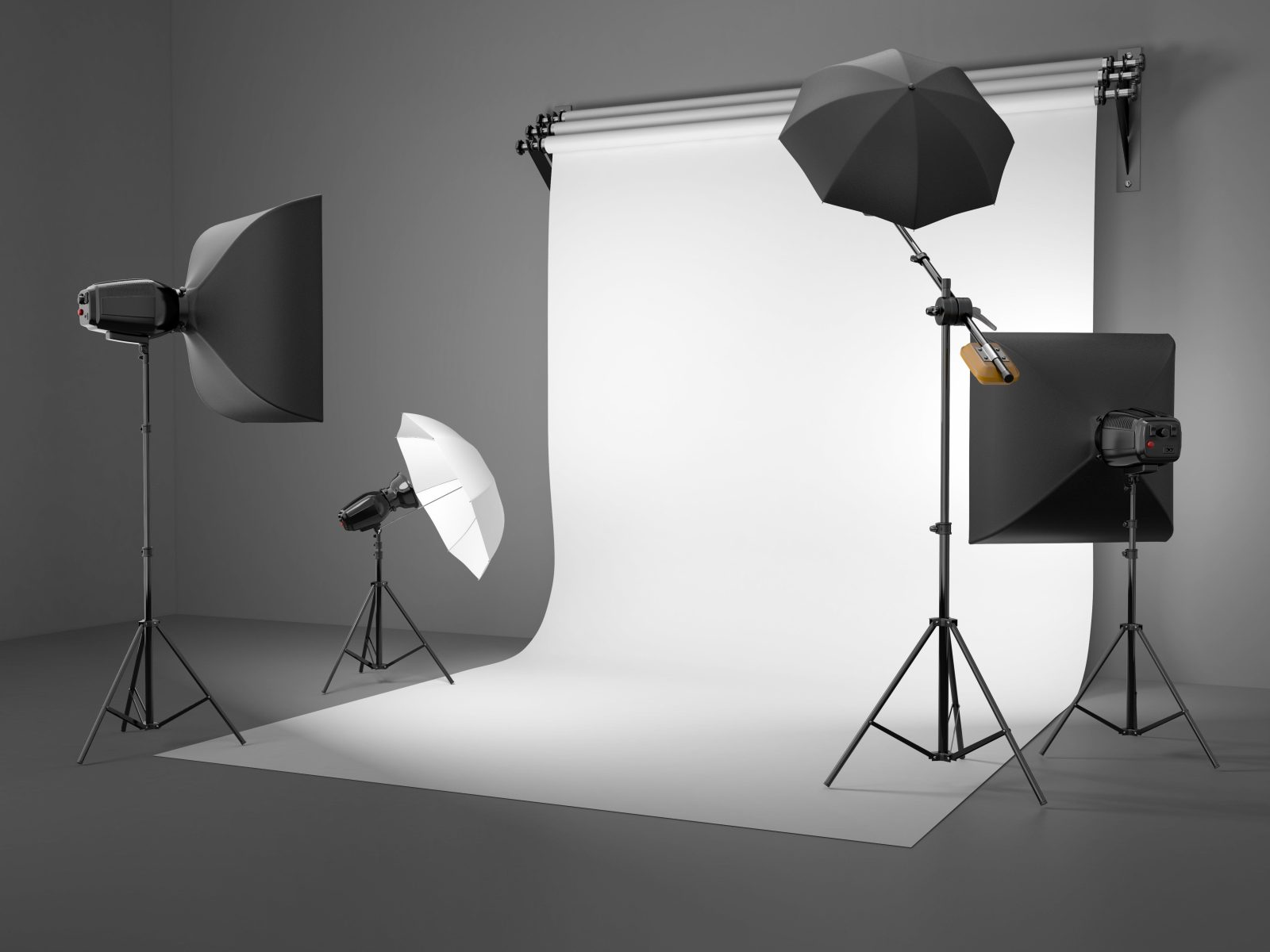
📷 Photo by pinterest.com
- Start with a single light source: Begin in a dark room. Place your primary light at a steep angle, such as 45 or 90 degrees to the side of your subject, to accentuate texture and form.
- Analyze the light spill: Observe where light is hitting that you do not want. If the background is too bright or the light is bleeding onto the camera lens, you have identified your areas for flagging.
- Position your flags: Place your flags (or black foam core) between the light and the unwanted area. Move them closer to the light source for a softer shadow edge, or closer to the subject for a sharper, more defined cut.
- Introduce the gobo: Once your shadows are controlled, place your gobo between the light and the subject. Adjust the distance to vary the clarity of the pattern; a gobo placed closer to the light will create a softer, more dreamlike pattern on the subject.
- Fine-tune the contrast: Use a small reflector or a piece of white card to bounce a tiny amount of light back into the deepest shadows if you lose too much detail, ensuring the mood remains dark but not muddy.
Common Mistakes in Moody Lighting
One of the most frequent errors photographers make is over-lighting the scene. Moody art photography is defined by what you choose not to show. If you fill every corner of the frame with light, you lose the mystery. Always prioritize the highlights on the subject’s face or form and let the rest of the frame fall into deep, rich blacks.
Another common mistake is placing gobos too far from the light source. If a gobo is placed too close to the subject, the pattern will be blurry and indistinct. To get crisp, sharp shadows—like the classic “venetian blind” look—the gobo needs to be closer to the light source, effectively projecting the shape onto the subject.
The Role of Distance and Intensity
The distance between your light and your subject dictates the “fall-off” of the light. A light source placed close to the subject will create a rapid transition from highlight to shadow, which is ideal for moody shots. Conversely, moving the light further away creates a more uniform spread. When using flags to cut light, remember that the closer the flag is to the subject, the harder the shadow line will be. If you want a subtle transition, move the flag further back towards the light source.
Frequently Asked Questions
Q: Can I use DIY gobos for art photography?
A: Absolutely. You can cut patterns into cardboard or use household items like colanders, leafy branches, or window blinds to create unique, organic shadow shapes without investing in expensive studio gear.
Q: How do I prevent light bounce in a small room?
A: Use black fabric or black foam core to cover light-colored walls or ceilings. This prevents ambient light from bouncing back into your scene, keeping your shadows deep and controlled.
Q: Why is my image looking “muddy” instead of “moody”?
A: Muddy images often lack a clear point of focus or have poor highlight separation. Ensure your subject has at least one strong highlight (a rim light or a key light) to separate them from the dark background, providing the necessary contrast for a professional look.
Final Thoughts on Creative Control
The beauty of using gobos and flags lies in the total creative control they grant you. You are no longer just capturing what is in front of the lens; you are constructing the environment. By embracing darkness and using these tools to carve out only the essential elements of your composition, you move from simple portraiture into the realm of fine art, creating images that linger in the viewer’s mind long after they have looked away.
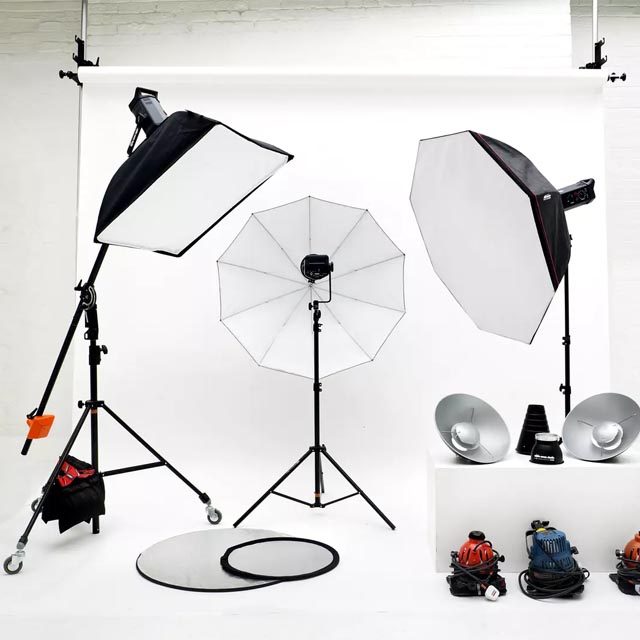
📷 Photo by digital-photography-school.com