




Innerspark.us – Cotton, hemp, and bamboo archival papers represent the pinnacle of sustainable fine art printing by combining superior longevity with minimal environmental impact, offering artists a high-quality alternative to traditional wood-pulp substrates.
The archival quality of a print is defined by its ability to resist degradation over decades or even centuries. Traditional papers often rely on acidic processes or wood-based fibers that yellow and become brittle over time. In contrast, sustainable fibers like cotton, hemp, and bamboo are naturally low in lignin and acid-free, providing a stable foundation for pigment-based inks. Choosing these materials is not merely an aesthetic decision; it is a commitment to the permanence of art and the preservation of natural resources.
The Rise of Sustainable Fibers in Fine Art
📷 Photo by jacksonsart.com
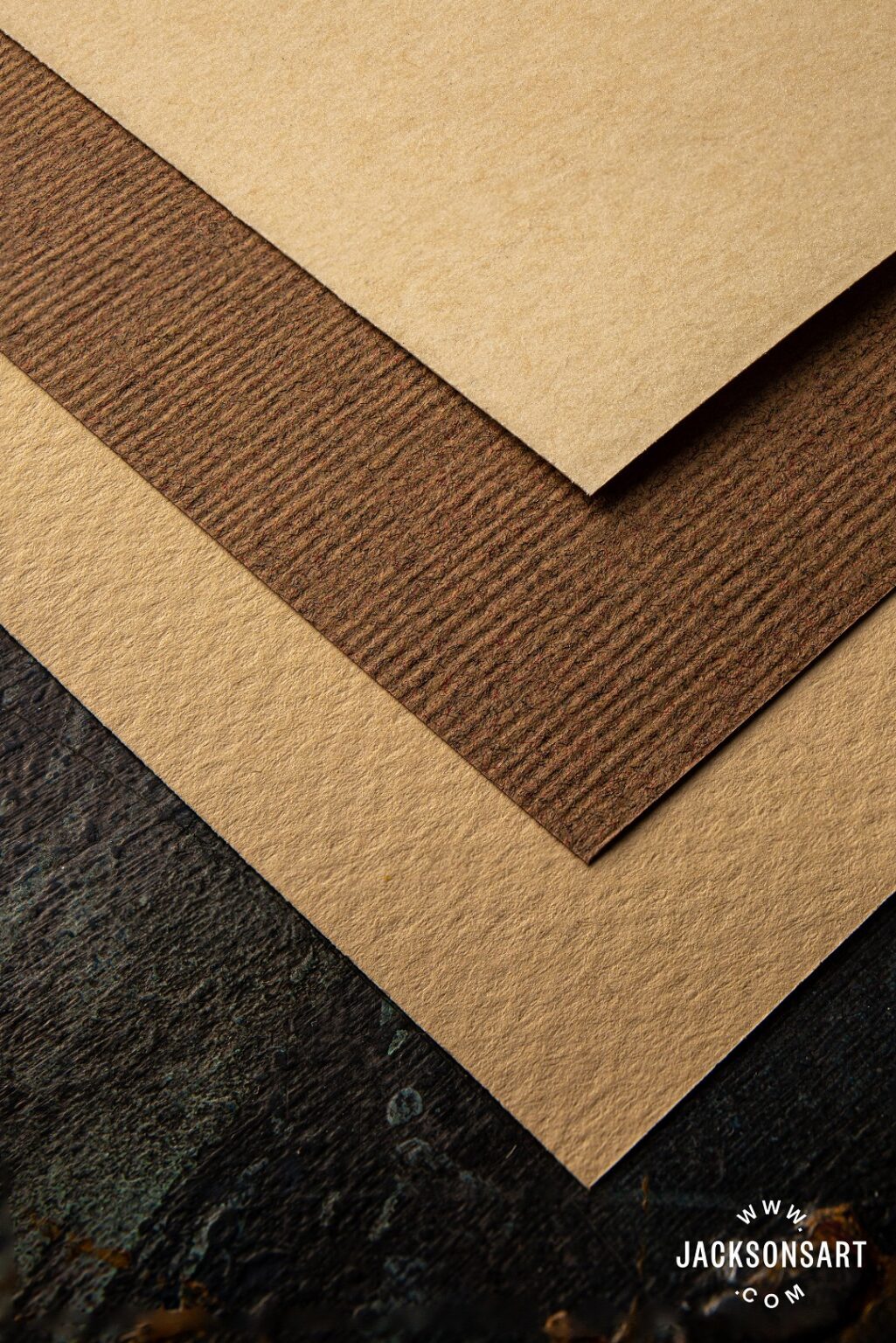
Cotton, also known as rag paper, has been the gold standard for centuries. Made from the linters of the cotton plant, it is naturally free of lignin—a substance in wood that causes paper to yellow. It offers a soft, tactile feel and holds ink exceptionally well. However, cotton requires significant water consumption during the growing process, which has led artists to explore even more sustainable alternatives like bamboo and hemp.
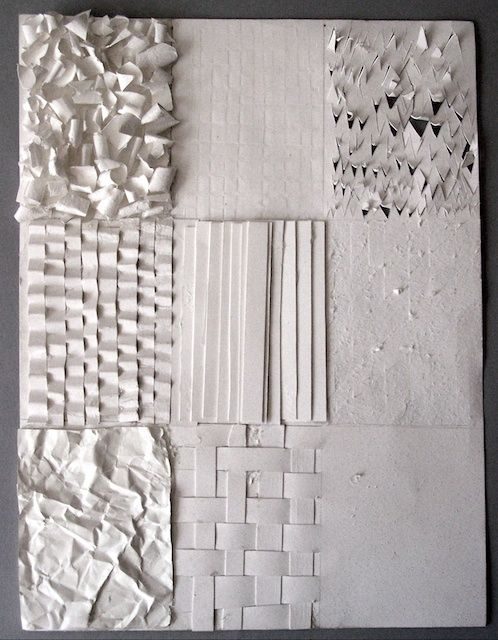
Bamboo is perhaps the most rapidly renewable resource in the paper industry. It grows incredibly fast without the need for pesticides or excessive irrigation. When refined into paper, bamboo fibers offer a warm, natural white tone and a unique surface texture that adds depth to monochrome or landscape photography. Hemp, on the other hand, is known for its incredible tensile strength. Hemp fibers are longer and more durable than cotton, resulting in a substrate that is both eco-friendly and physically robust.
Comparative Analysis of Archival Substrates
| Fiber Type | Environmental Impact | Longevity | Texture/Finish |
|---|---|---|---|
| Cotton | Moderate (High Water) | Excellent | Soft, fibrous, classic |
| Hemp | Low (Fast growth) | Superior | Textured, very durable |
| Bamboo | Very Low (Rapid growth) | Very Good | Warm tone, smooth |
Practical Considerations for Printing
📷 Photo by uk.pinterest.com
📷 Photo by youtube.com
Transitioning to eco-friendly archival papers requires an understanding of how these fibers interact with printer technology. Because these papers are often thicker and more absorbent than standard resin-coated photo paper, they require specific printer settings to ensure accurate color reproduction and ink penetration.
Steps to Achieve Professional Results with Sustainable Paper
- Select the correct ICC profile provided by the paper manufacturer to ensure color accuracy on your specific printer model.
- Adjust the media settings in your print driver to “Fine Art” or “Heavyweight Matte” to accommodate the thickness of the fiber-based stock.
- Perform a nozzle check before printing to prevent banding, as eco-friendly papers can be more expensive to replace if a print fails.
- Allow the print to dry in a dust-free environment for at least 24 hours to ensure complete ink curing and surface stabilization.
- Handle the finished print using cotton gloves to prevent skin oils from degrading the archival surface over time.
Common Mistakes and How to Avoid Them
A frequent error among artists is failing to account for the “optical brighteners” used in commercial papers. Many standard papers are treated with chemicals to make them appear whiter, but these chemicals fade over time, changing the look of the print. When purchasing cotton, hemp, or bamboo archival paper, look for labels that explicitly state “OBA-free” or “Acid-free.” These papers will maintain their original color profile for much longer.
Another mistake is improper storage. Even the most durable hemp paper can be damaged by humidity or UV exposure. Always store prints in acid-free portfolios or frames with UV-protective glass. This ensures that the environmental benefits of the paper are matched by the longevity of the final display.
Why Sustainability Matters in the Art Market
Collectors are increasingly conscious of the carbon footprint of their acquisitions. By using papers derived from fast-growing, low-impact plants, artists can market their work as environmentally responsible without sacrificing the museum-grade quality expected in the fine art world. This creates a bridge between traditional craftsmanship and modern ecological ethics.
Frequently Asked Questions
Q: Are hemp and bamboo papers as archival as 100% cotton rag?
A: Yes, provided they are manufactured to archival standards (acid-free and OBA-free). Hemp, in particular, is often more durable than cotton due to its superior fiber length and strength.
Q: Do these eco-friendly papers require special inks?
A: Most archival fine art papers are designed to work perfectly with standard pigment-based inkjet inks. However, they generally do not perform well with dye-based inks, which can bleed into the natural fibers.
Q: How does the surface feel compare to traditional photo paper?
A: These papers feel more like textured, high-quality stationery or watercolor paper. They lack the glossy, plastic-like feel of resin-coated papers, offering a more organic and sophisticated tactile experience.
Final Thoughts on Archival Integrity
The shift toward sustainable substrates is not a passing trend but a necessary evolution in the printing industry. As technology improves, these papers continue to bridge the gap between ecological responsibility and artistic excellence. By understanding the unique properties of cotton, hemp, and bamboo, artists can ensure their work stands the test of time while honoring the planet that inspires their creativity.
📷 Photo by pinterest.com