



Innerspark.us – A commercial photography portfolio must be curated by selecting only your strongest 15–20 images that demonstrate a specific visual style, technical consistency, and the ability to solve a client’s marketing problem. Success lies in showing the work you want to be hired for, rather than every project you have ever completed.
The biggest mistake photographers make when building a portfolio is treating it like an archive. A commercial portfolio is not a record of your history; it is a sales brochure. Clients do not care about the sheer volume of your work. Instead, they look for predictable quality, reliability, and a distinct aesthetic that fits their brand identity. If your portfolio contains a mixture of wedding photos, candid street shots, and high-end product photography, you will confuse potential clients and likely lose the job.
Defining Your Commercial Niche
Before you even open your editing software, you must define the type of commercial client you are targeting. Are you pursuing lifestyle brands, automotive companies, or food and beverage marketing? Each of these sectors requires a different visual language. A portfolio intended for a luxury automotive brand should feel sleek, high-contrast, and precise. A lifestyle portfolio should feel authentic, warm, and human-centric.
To curate effectively, audit your existing catalog. Identify the images that align with your target niche and discard anything that feels like a “filler” image. If you lack enough high-quality work in your desired niche, it is better to perform a personal, self-directed shoot to bridge the gap than to include unrelated work that dilutes your professional focus.
The Strategy of Selective Editing
When selecting images, prioritize technical perfection and storytelling. A commercial client wants to know that you can handle complex lighting, manage production logistics, and deliver a clean final product. An image might be beautiful, but if it does not serve the purpose of showing you can deliver commercial-grade work, it does not belong in your primary portfolio.
Consistency in color grading and post-processing is equally important. If your portfolio jumps from desaturated, matte-finish photos to hyper-vibrant, high-contrast images, the client will doubt your ability to maintain a consistent look across a large campaign. Your editing style should act as a signature that ties your work together.
Portfolio Structure Comparison
| Portfolio Element | Focus Area | Goal |
|---|---|---|
| Hero Images | Your top 3-5 strongest works | Immediate impact and credibility |
| The Narrative | Contextual shots/details | Showing technical range and depth |
| The Closer | Final polished campaign shot | Leaving a professional, lasting impression |
Step-by-Step Curation Process
Follow these steps to ensure your portfolio is primed for commercial client acquisition:
- Gather every high-quality image you have produced that fits your target niche into a single folder.
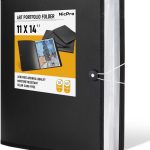
- Print your top 50 choices and lay them out on a physical surface to see how the sequence flows; digital screens often hide pacing issues.
- Remove any images that feel redundant, such as two photos taken from the exact same angle with minor lighting differences.
- Select your final 15–20 images, ensuring that at least 70 percent of them are “commercial” in nature (showing products, people in environments, or specific services).
- Test the flow by arranging them from your second-best work to your absolute best work, ending on a high note.
- Review the selection against your target client’s current marketing materials to ensure your style is a complementary fit.
Common Pitfalls to Avoid
One common error is including “process” shots or behind-the-scenes content within the primary portfolio gallery. While behind-the-scenes content is excellent for social media or a dedicated blog section, it clutters the portfolio and distracts from the final, polished result. Keep your portfolio gallery focused exclusively on the finished, high-resolution output.
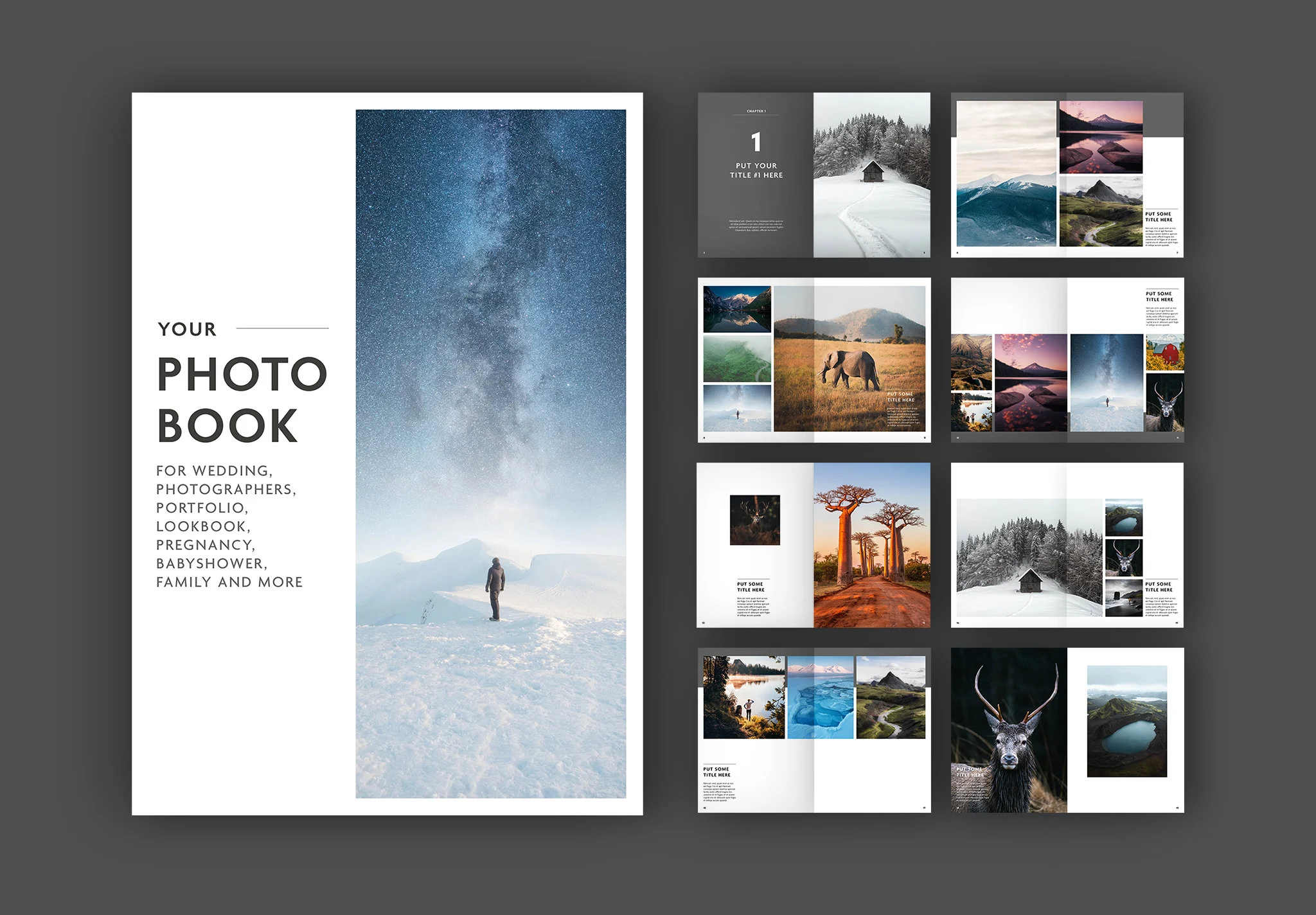
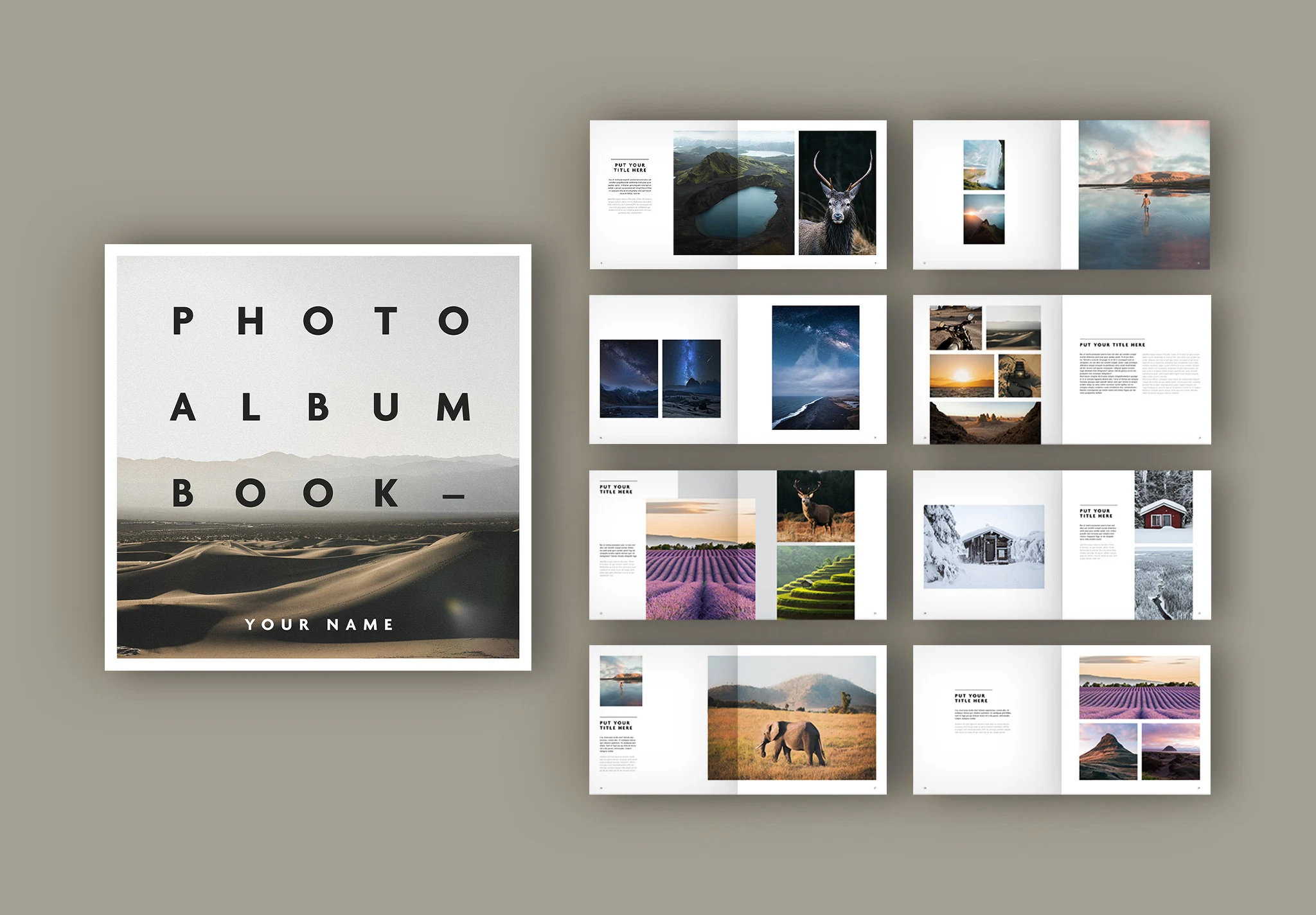
📷 Photo by etsy.com
Another danger is the “Jack of all trades” trap. Attempting to show that you can shoot portraits, food, architecture, and sports all at once typically signals to commercial clients that you are a generalist. Generalists often struggle to command premium rates because they aren’t viewed as experts. If you have multiple distinct interests, create separate, dedicated portfolios for each vertical rather than mixing them into one gallery.
The Role of Technical Versatility
While you should focus on a niche, you still need to demonstrate versatility within that niche. For example, if you are a product photographer, your portfolio should show a mix of studio-lit shots on clean backgrounds, lifestyle-integrated product shots, and close-up macro detail work. This proves to a creative director that you can solve different visual problems within the same product category.
Frequently Asked Questions
Q: How often should I update my commercial portfolio?
A: You should curate and refresh your portfolio at least every six months or whenever you complete a project that is stronger than your current weakest portfolio piece.
Q: Should I include pricing in my portfolio?
A: No. Commercial photography pricing is bespoke and project-dependent; listing prices can alienate high-budget clients or make you seem inflexible.
Q: Is it okay to use personal work in a commercial portfolio?
A: Absolutely, provided that the personal work is of professional quality and aligns perfectly with the commercial aesthetic you are trying to sell.
Ultimately, the goal of your portfolio is to remove any doubt in the client’s mind. When a creative director looks at your gallery, they should immediately see the solution to their next campaign. By ruthlessly editing your work, maintaining a consistent style, and focusing on your specific target market, you position yourself as a professional who understands the commercial landscape, not just someone with a camera.
📷 Photo by etsy.com