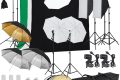



Innerspark.us – Softboxes provide directional, controlled light that mimics window light for high-contrast artistic portraits, while umbrellas offer a broader, softer wash of light ideal for filling a space or creating a natural, airy aesthetic.
Choosing the right light modifier is the most significant decision a photographer makes when building a studio kit. The difference between a softbox and an umbrella goes beyond simple shape; it dictates the character of the shadows, the fall-off of the light, and the overall mood of your artwork. Understanding these mechanical differences allows you to manipulate light with intention rather than relying on trial and error.
Understanding the Softbox Advantage
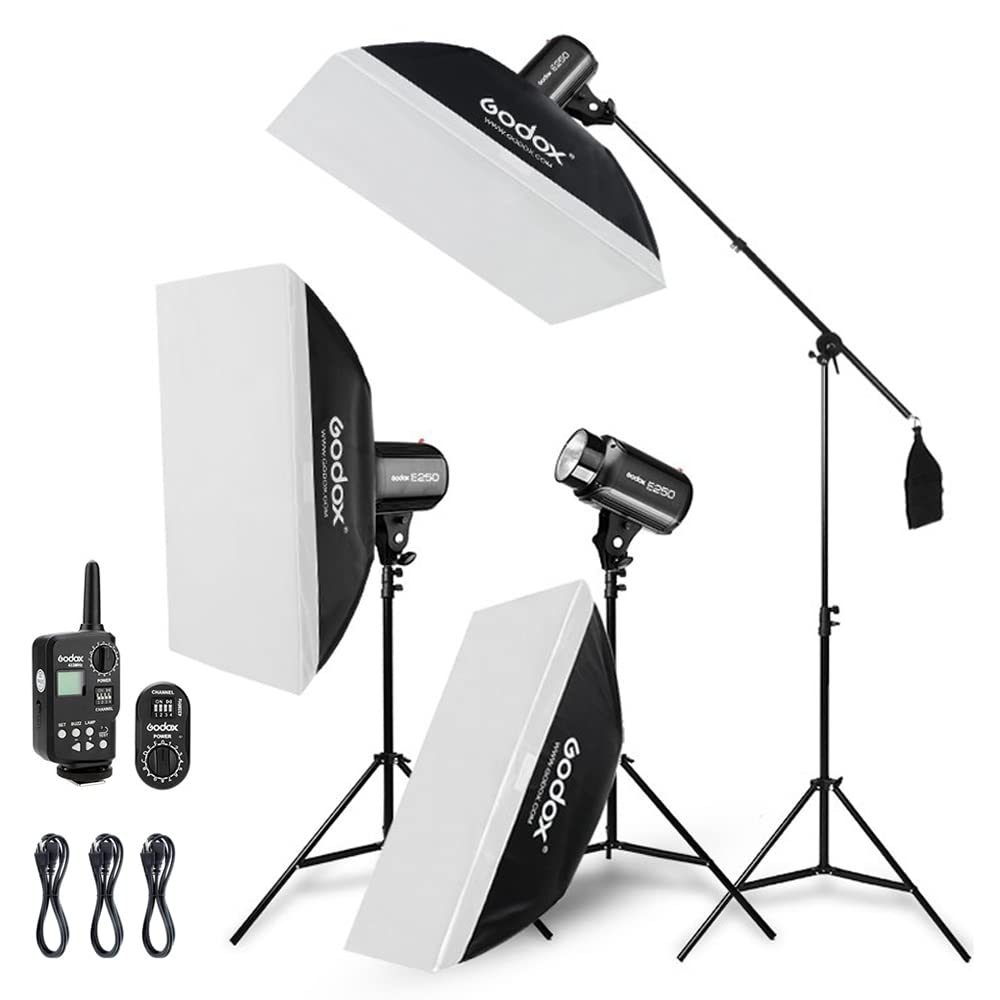
A softbox consists of a reflective interior shell with a diffusion panel covering the front. This design forces light to travel through multiple layers of fabric, resulting in a highly directional output. Because the light is contained within the box, it hits the subject with significant precision, making it easier to avoid light spill on your studio background or walls.
For art photography, the softbox is often the preferred choice for dramatic, moody lighting. It creates a distinct gradient of light that transitions smoothly into shadow, which is essential for highlighting texture in subjects like fabric, skin, or intricate props. The rectangular or octagonal shape of a softbox also produces a catchlight in the eyes that appears more natural and refined than the round reflection often produced by umbrellas.
The Versatility of the Umbrella
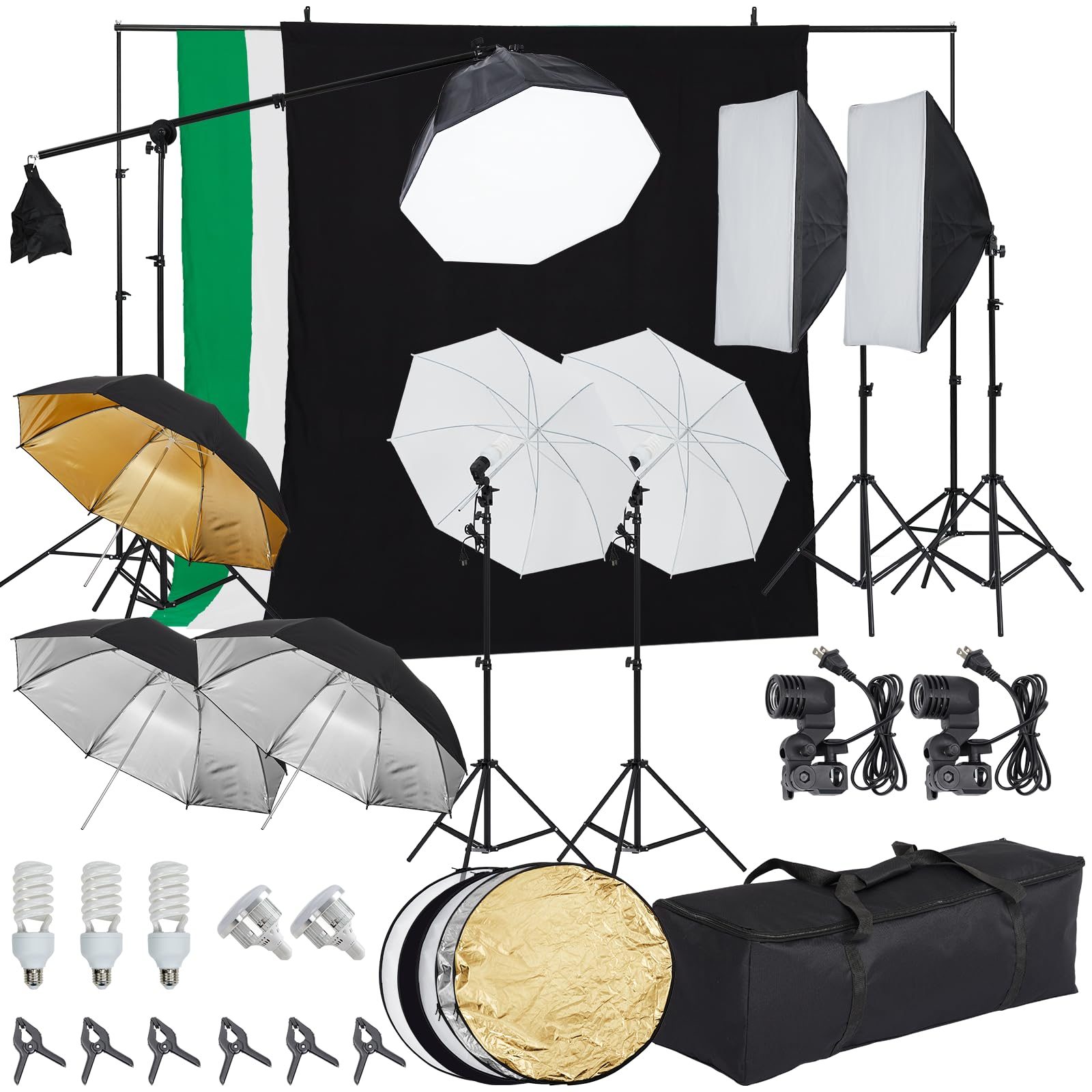
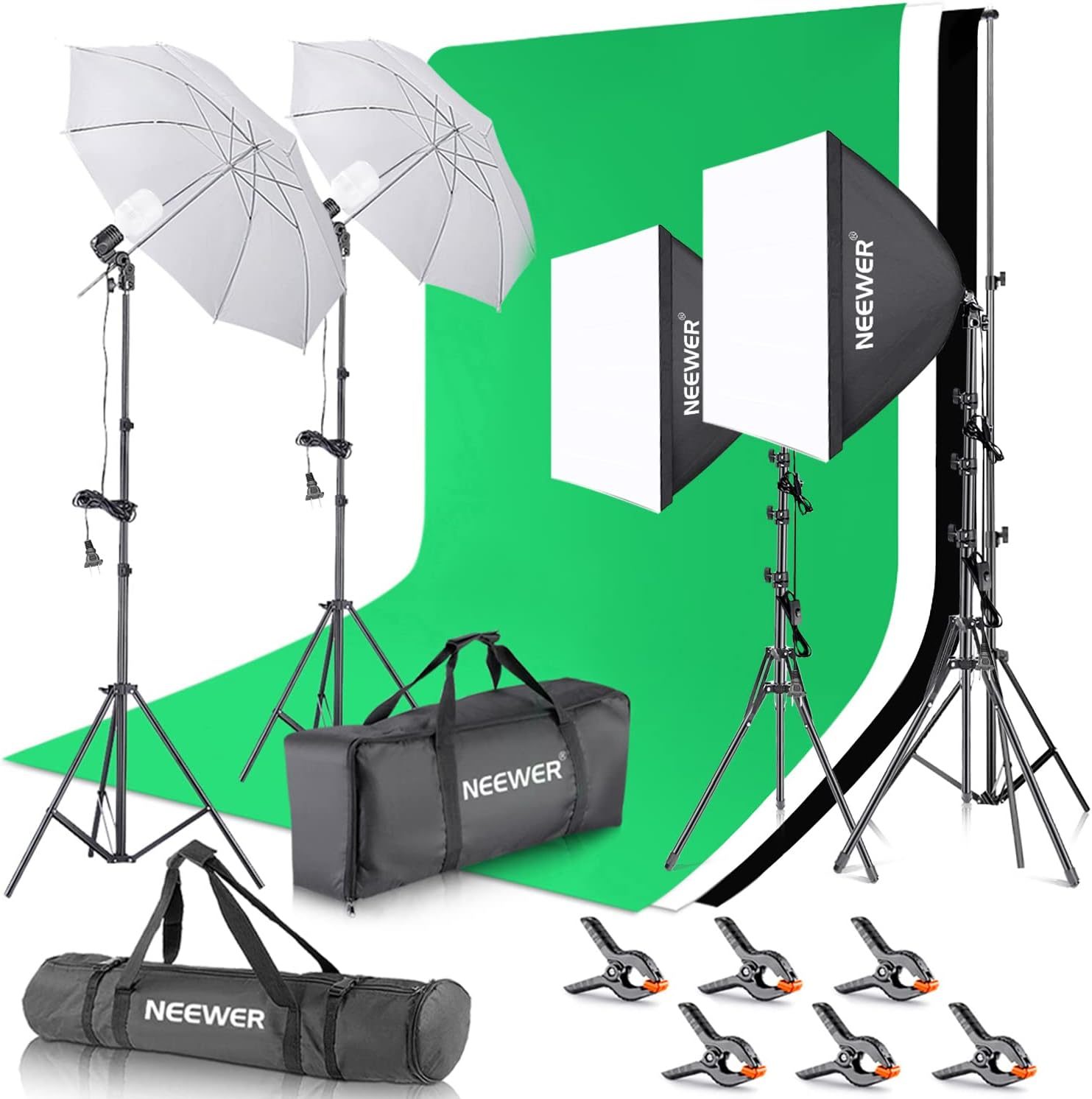
Umbrellas are the workhorses of the photography world. They come in two main varieties: shoot-through (translucent white) and reflective (silver or white interior). A shoot-through umbrella acts as a large light source that spreads illumination in nearly every direction. This is incredibly useful when you need to fill a room with soft light quickly, such as during a chaotic shoot or when photographing groups.
📷 Photo by desertcart.in
Reflective umbrellas, particularly those with a silver interior, offer a “punchier” look. They provide more contrast than a shoot-through umbrella but lack the extreme control of a softbox. Because they are faster to set up and break down, they remain the favorite for photographers who prioritize speed and portability. However, the trade-off is a lack of spill control; light will bounce everywhere unless you use specific flags or grids to contain it.
📷 Photo by amazon.com
Comparison Table: Softbox vs. Umbrella
| Feature | Softbox | Umbrella |
|---|---|---|
| Light Control | High (Directional) | Low (Broad/Spill) |
| Shadow Quality | Soft, gradual transition | Soft, but less defined |
| Setup Speed | Slow (Requires assembly) | Fast (Instant open) |
| Best Use | Portraits, Fine Art, Still Life | Events, Fill Light, Large Groups |
How to Choose the Right Modifier for Your Style
When deciding between these two, consider the environment of your studio and the specific look you aim to achieve. If you are working in a small space, the spill from an umbrella can become a nightmare, reflecting off white walls and muddying your shadows. Conversely, if you are working in a large, open studio and need to create a soft, even light for a background or a large subject, a softbox may be too restrictive.
- Assess your space: If your studio walls are close to your subject, opt for a softbox to prevent unwanted light bounce.
- Define your aesthetic: If you want high-contrast, moody fine art, choose a softbox with a grid to restrict the light spread.
- Consider your subject: For subjects that require a “wrap-around” light, such as a large painting or a group of people, a large shoot-through umbrella is more efficient.
- Test the catchlights: Place your light source and observe the reflection in the subject’s eyes; choose the modifier that provides the shape you find most aesthetically pleasing.
Common Mistakes to Avoid
One of the most frequent errors beginners make is placing the light modifier too far from the subject. The softness of light is determined by the size of the light source relative to the subject. If you move a softbox five feet away, it effectively becomes a smaller, harder light source. To maintain that signature soft, artistic glow, keep your modifier as close to the subject as possible without it entering the frame.
Another mistake is ignoring the importance of grids. Many photographers buy a softbox but never use the fabric grid (honeycomb). The grid is vital for controlling light spill; it keeps the illumination focused strictly on the subject, preventing the light from hitting the background or floor, which preserves the depth and mood of your artistic compositions.
The Impact on Artistic Vision
Lighting is the primary tool for storytelling in photography. A softbox allows you to “paint” with light, carving out shapes and highlighting specific details while letting the rest of the frame fall into darkness. An umbrella, by contrast, creates a more inclusive, ambient light that feels like an extension of the room. Neither is objectively better; they serve different chapters of your photographic narrative. Many professional studios keep both on hand, using the softbox as their primary “key” light and the umbrella as a secondary “fill” or “background” light.
Q: Can I use an umbrella for high-contrast portraiture?
A: Yes, but you will need to move the umbrella closer to the subject and place it further to the side to increase shadow depth, or use black flags to block light from hitting the surrounding walls.
Q: Does the size of the softbox matter for artistic portraits?
A: Absolutely. A larger softbox produces a softer, more forgiving light, while a smaller softbox will produce harsher, more defined transitions between light and shadow, which is often preferred for gritty or high-fashion artistic styles.
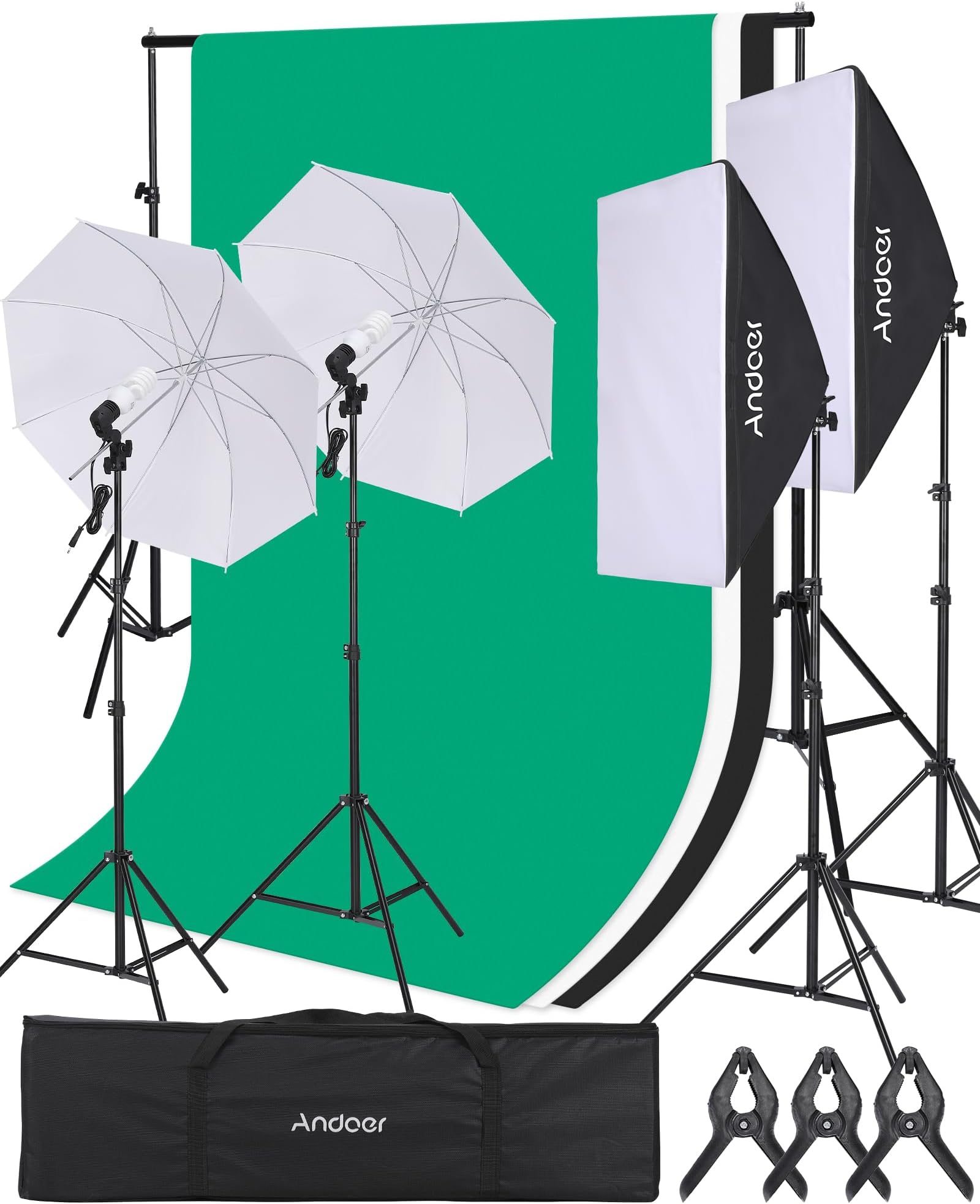
📷 Photo by amazon.com
Mastering these tools takes time, but by understanding the physics of light dispersion, you can ensure your equipment serves your vision rather than limiting it. Experiment with both, observe how they interact with your specific subjects, and don’t be afraid to combine them to achieve a signature look that defines your art.
📷 Photo by amazon.com