


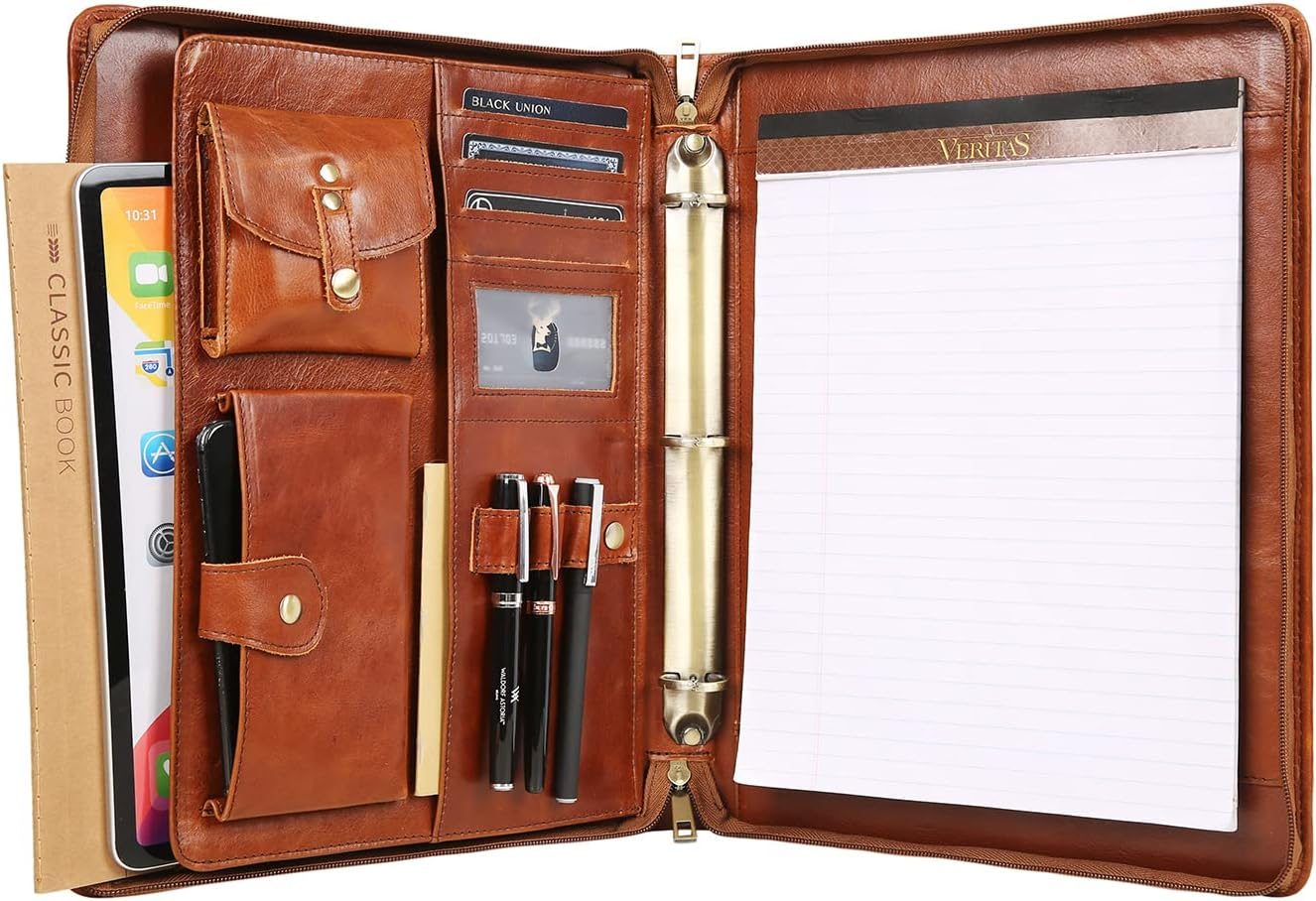
Innerspark.us – A leather artist portfolio case offers a professional, tactile aesthetic that elevates personal branding, whereas a zippered binder provides superior organization and document protection for high-stakes, multi-document interviews.
Choosing the right presentation vessel is a subtle but critical component of an artist’s interview strategy. While the quality of your work remains the primary driver of success, the way you present that work communicates your attention to detail and professional maturity. The choice between a leather portfolio case and a zippered binder often comes down to the specific nature of the role and the environment of the interview.
The Aesthetic and Psychological Impact of Leather
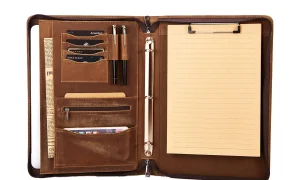
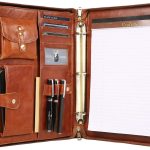
A leather artist portfolio case is synonymous with craftsmanship and permanence. When you walk into an interview with a premium leather case, you are signaling that you treat your work as a professional product rather than a student project. The weight and texture of genuine leather provide a sensory experience that plastic binders simply cannot replicate.
This type of case is ideal for creative directors, fine artists, and high-end design roles. It suggests that you are established, confident, and prepared to handle high-value clients. However, leather does come with maintenance requirements; it can be prone to scratches if not properly cared for, and it is generally less water-resistant than synthetic alternatives.
The Functional Superiority of Zippered Binders
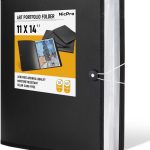
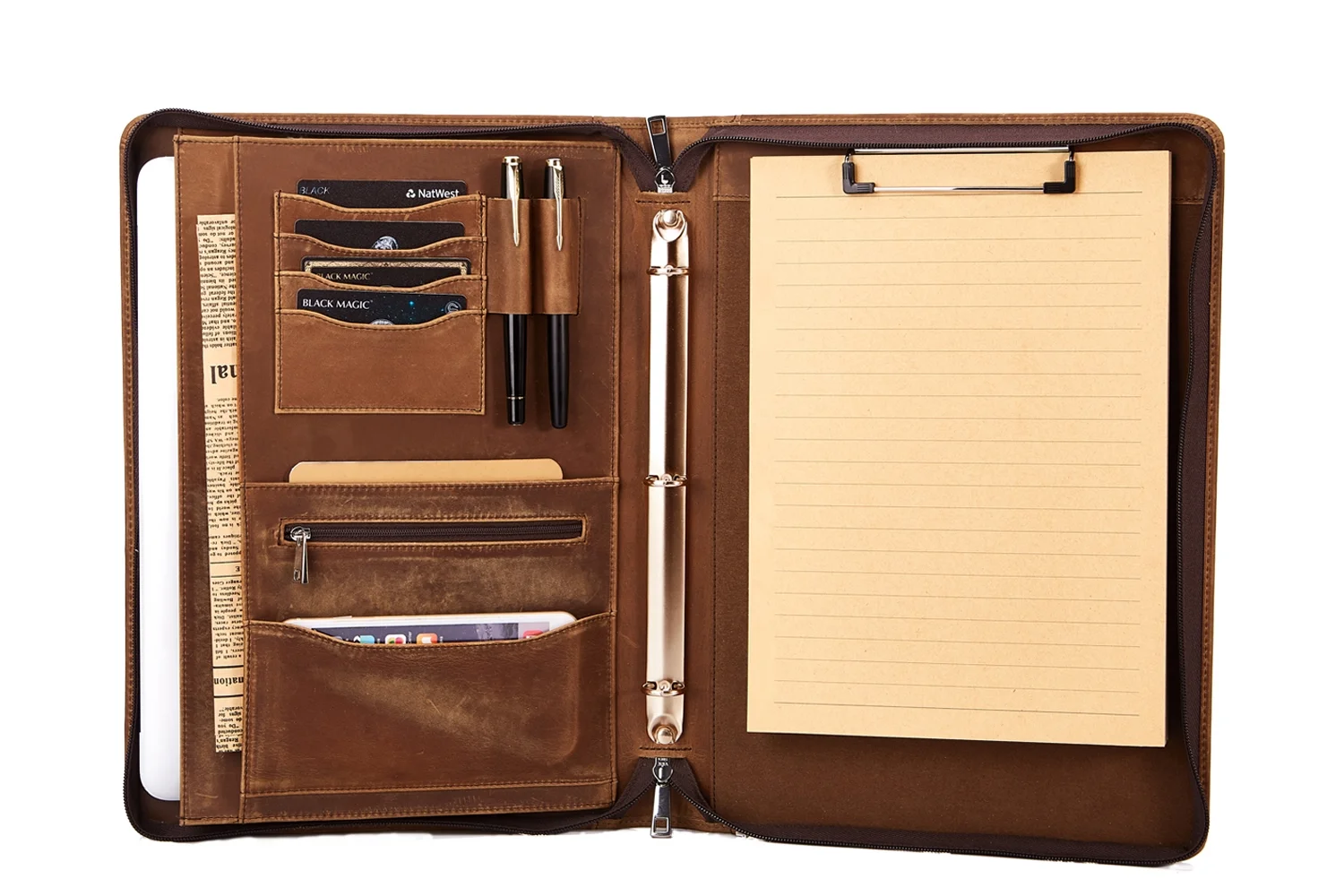
Zippered binders, typically made from ballistic nylon, heavy-duty polyester, or faux leather, prioritize utility above all else. If your interview requires you to carry multiple loose sketches, printed resumes, reference letters, and a tablet, the zippered binder is the superior choice. The enclosure ensures that nothing slips out during transit, which is a common anxiety when using open-style folders.
📷 Photo by walmart.com
The internal organization of a zippered binder often includes dedicated slots for business cards, pens, and USB drives. This makes it an excellent tool for technical interviews or roles where you need to switch between physical samples and digital devices quickly. The zipper acts as a safety barrier against coffee spills or inclement weather, offering peace of mind when traveling to an office.
Comparison of Portfolio Presentation Methods
| Feature | Leather Portfolio Case | Zippered Binder |
|---|---|---|
| Professional Impression | High (Artisanal/Premium) | Medium (Corporate/Functional) |
| Document Security | Moderate (Usually open-face) | High (Full zipper closure) |
| Durability | Requires maintenance | Weather-resistant/Rugged |
| Best For | Fine Art, Luxury Design | Graphic Design, Tech, Architecture |
| Organization | Minimalist | Extensive (Pockets/Slots) |
Practical Steps to Prepare Your Portfolio for an Interview
Whether you choose the elegance of leather or the utility of a binder, the internal organization is what determines your success. Follow these steps to ensure your portfolio is interview-ready:
- Curate your work: Select only the top 10 to 12 pieces that are directly relevant to the specific role you are applying for.
- Order your presentation: Place your strongest piece as the opening statement and your most technically impressive piece as the closer.
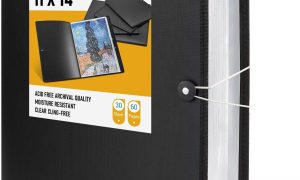
- Protect your prints: Use archival-quality, non-glare plastic sleeves to prevent fingerprints and smudges from obscuring your work.
- Add a clean copy of your resume: Ensure a crisp, unfolded copy of your resume is easily accessible in the front pocket for the interviewer to take home.
- Practice the reveal: If using a zippered binder, rehearse opening it smoothly so that you do not fumble with the zipper or struggle with stuck pages during the meeting.
Common Mistakes to Avoid
One of the most frequent errors artists make is overstuffing their portfolio. A bulging, unorganized binder suggests a lack of discernment and an inability to edit oneself. If you find that your case will not close comfortably, you are carrying too much. Remember that the interviewer likely has limited time; they would rather see five excellent pieces than twenty mediocre ones.
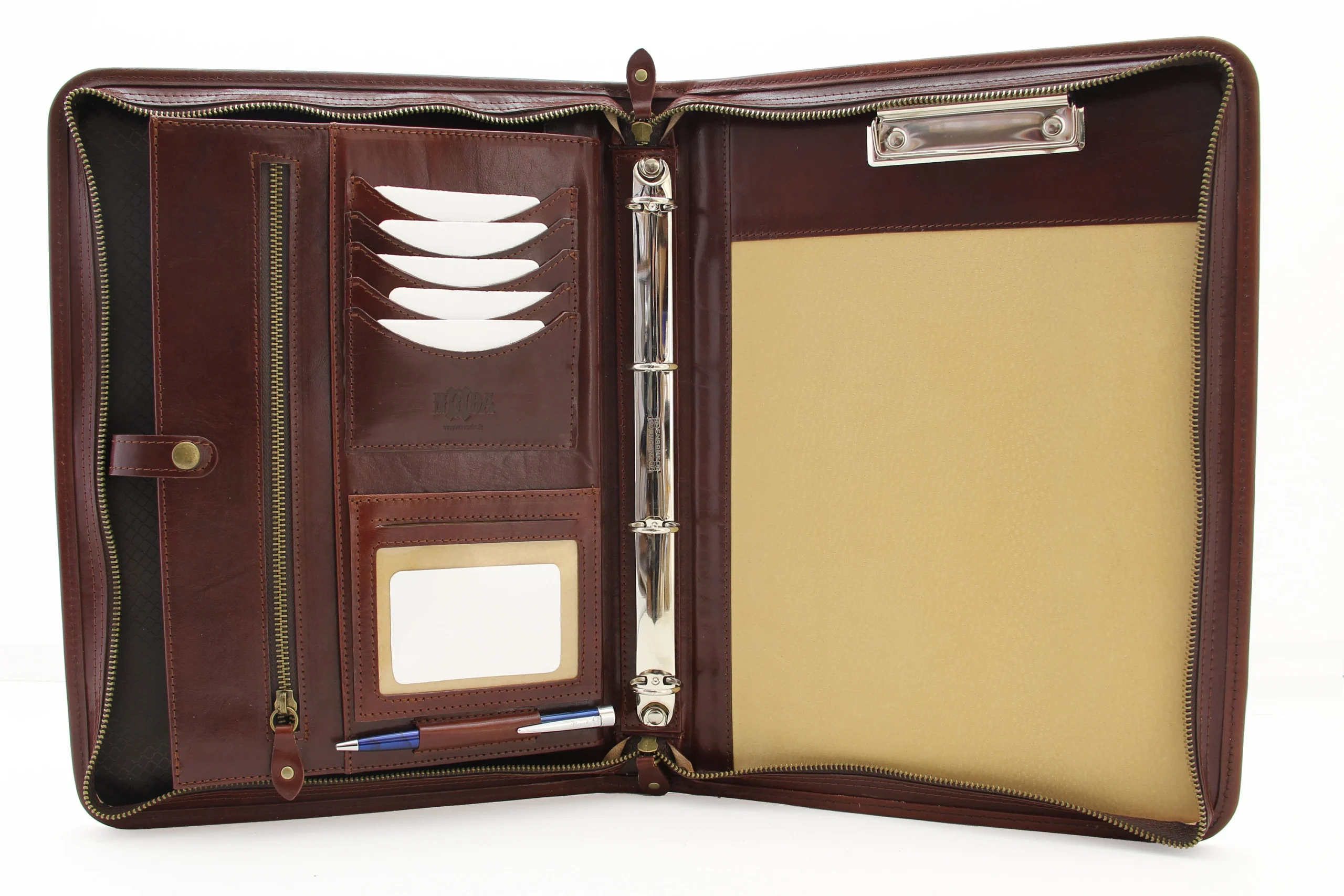
Another mistake is neglecting the physical condition of the portfolio itself. A worn-out leather case with frayed edges or a zippered binder with a broken slider can detract from your presentation. Before you leave for your interview, wipe down the exterior, ensure the interior is free of dust, and remove any outdated business cards or stray receipts that might have collected in the pockets.
📷 Photo by etsy.com
The Role of Context in Your Selection
If you are interviewing for a position at a boutique design agency, the leather portfolio is often the better choice. It aligns with the artisanal culture of smaller studios. Conversely, if you are interviewing at a large, fast-paced firm where you will be expected to move between conference rooms and job sites, the zippered binder’s portability and durability are distinct advantages.
Always consider the environment of the interview. If the office is highly modern and minimalist, a bulky leather briefcase might feel out of place. If the office is traditional and formal, a cheap plastic binder might be perceived as unprofessional. Aligning your portfolio vessel with the company culture shows that you have done your research.
Frequently Asked Questions
Q: Is it acceptable to use a digital-only portfolio instead of a physical one?
A: While digital portfolios are standard, bringing a physical portfolio is highly recommended for in-person interviews as it provides a tangible anchor for the conversation and demonstrates effort.
Q: Does the color of the portfolio matter for an interview?
A: Yes, neutral colors like black, dark brown, or charcoal gray are the safest and most professional choices that keep the focus on your work rather than your accessories.
Q: How many copies of my resume should I keep in my portfolio?
A: Always carry at least three copies of your resume in a clean, wrinkle-free folder section, even if you have already submitted it electronically.
Ultimately, the portfolio case is an extension of your professional identity. Whether you opt for the classic, tactile appeal of leather or the practical, secure nature of a zippered binder, ensure that the exterior reflects the level of quality found within. Your goal is to create a seamless experience where the container facilitates—rather than hinders—the discussion of your creative work.
📷 Photo by amazon.com