





Innerspark.us – Cotton rag is a premium, archival-grade paper made from natural textile fibers that offers superior longevity and texture, while alpha cellulose is a wood-pulp derivative processed to remove impurities, providing a more consistent and cost-effective alternative for high-quality printing.
Selecting the correct paper for archival projects is a decision that significantly impacts the lifespan and aesthetic quality of your work. Whether you are a professional photographer, a fine art printer, or an archivist, understanding the chemical foundation of your substrate is essential. The debate between cotton rag and alpha cellulose often centers on the balance between historical prestige and modern manufacturing efficiency.
The Nature of Cotton Rag
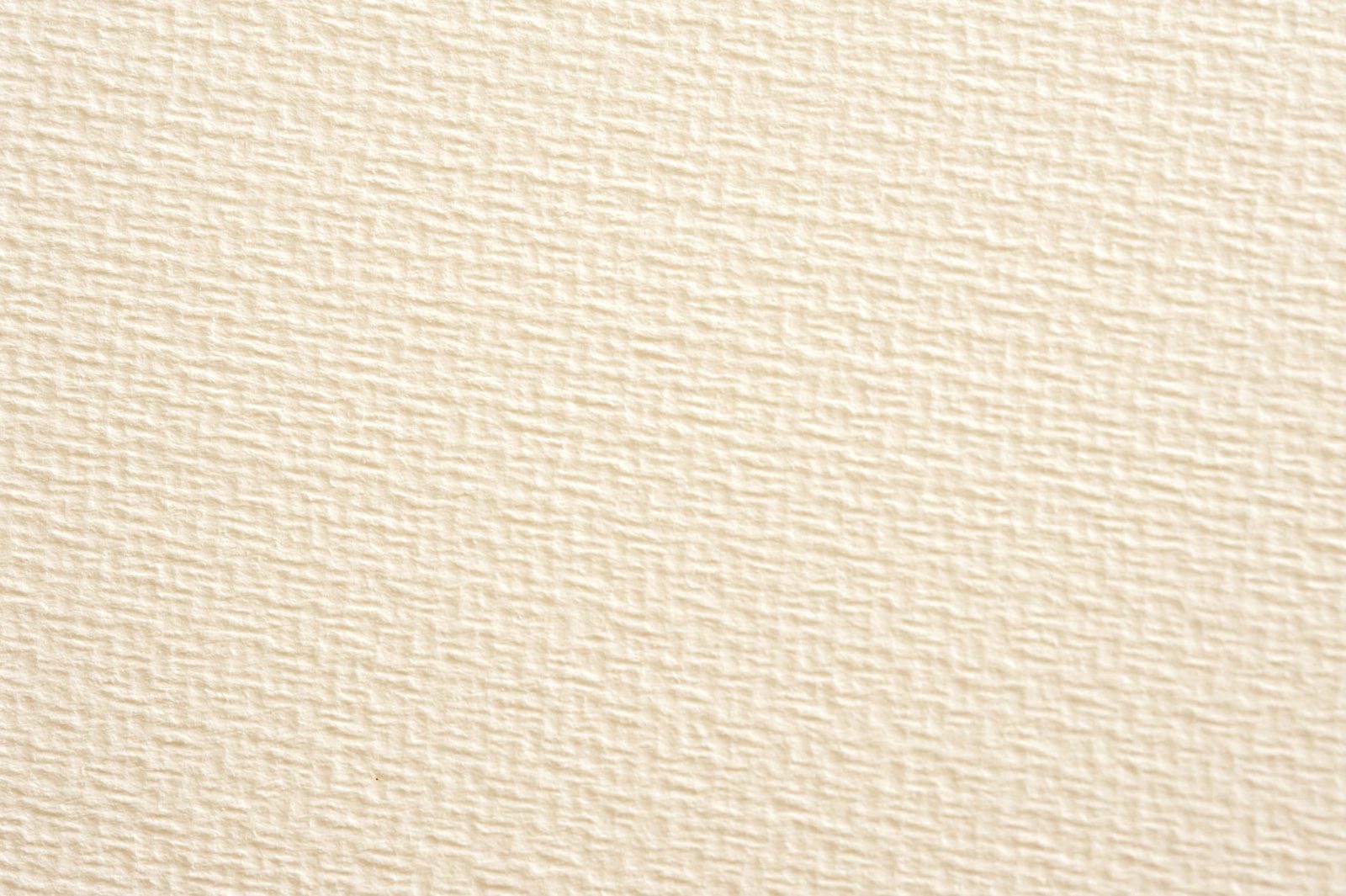
Cotton rag paper is crafted from cotton linters or recycled textile remnants. Because cotton consists of nearly pure cellulose, it requires minimal chemical processing to become paper. This material is naturally acid-free and alkaline-buffered, which is why historical documents from the 15th century remain intact today. Its long, interlocking fibers provide a tactile, luxurious feel that is often described as having a “soft” or “organic” quality.
Artists prefer cotton rag for its ability to handle heavy ink loads without bleeding or warping. It is the gold standard for giclée printing and fine art reproduction where the “heirloom” factor is a marketing and functional necessity. However, because it is a natural product, it can be more susceptible to slight variations in texture from batch to batch.
The Mechanics of Alpha Cellulose
Alpha cellulose is derived from wood pulp that has undergone rigorous chemical treatment to isolate the cellulose chains. During this process, lignin—the substance that causes wood to yellow and become brittle over time—is stripped away. The resulting material is chemically stable and mimics many of the archival properties of cotton.
Modern alpha cellulose papers are engineered for precision. Manufacturers can control the surface texture, whiteness, and weight of the paper with extreme accuracy. This makes alpha cellulose an ideal choice for photographers who require consistent, sharp detail and a neutral surface that does not interfere with the color accuracy of their digital files.
Comparative Analysis of Substrates
| Feature | Cotton Rag | Alpha Cellulose |
|---|---|---|
| Base Material | Cotton textile fibers | Purified wood pulp |
| Archival Life | Exceptional (100+ years) | High (with proper storage) |
| Texture | Soft, fibrous, tactile | Uniform, smooth, precise |
| Cost | Premium | Economical |
| Best Use Case | Fine art, limited editions | Commercial photography, proofs |
Key Considerations for Choosing Your Paper
When deciding between these two, consider the intended environment for the final print. If the artwork is intended for a museum collection or a high-end gallery sale, cotton rag is the industry-accepted standard. The physical weight and the history associated with cotton fibers add perceived value to the piece.
Conversely, if you are producing a high volume of prints or working on projects where color accuracy and sharpness are the primary metrics, alpha cellulose is often the better choice. Many high-end alpha cellulose papers are now indistinguishable from cotton to the casual viewer, and they often perform better with high-contrast, high-detail digital images.
Steps to Evaluate Archival Quality
Before committing to a paper type for a significant project, follow these steps to ensure the substrate meets your durability requirements:
- Check for the “acid-free” and “lignin-free” certification on the manufacturer’s technical data sheet.
- Examine the optical brightener content (OBA); high levels of OBA can cause paper to yellow prematurely when exposed to UV light.
- Perform a scratch test on a scrap piece to see how the surface coating reacts to physical handling.
- Test the ink-receptivity by printing a dark, saturated area to observe if the paper fibers swell or if the ink pools on the surface.
- Store a sample in a light-protected area for 30 days, then compare it against a fresh sheet to observe any immediate signs of oxidation.
Common Mistakes and Practical Tips
One common mistake is assuming that “acid-free” automatically guarantees a century of longevity. Archival quality is a combination of the paper base, the ink chemistry, and the environment. Even the best cotton rag paper will degrade rapidly if hung in direct sunlight or stored in high-humidity environments.
Always use pigment-based inks rather than dye-based inks when aiming for archival status. Dye-based inks are prone to fading and moisture damage, which can undermine the structural integrity of even the finest cotton rag. Additionally, ensure your hands are clean or use cotton gloves when handling archival prints, as the oils from your skin can create permanent spots on the paper surface over time.
Q: Is alpha cellulose considered “fake” paper?
A: No, alpha cellulose is a professional-grade substrate. It is simply a different method of achieving archival stability, prioritizing chemical purity and consistency over the natural textile origins of cotton.
Q: Does cotton rag hold more detail than alpha cellulose?
A: Generally, alpha cellulose allows for crisper detail because the surface is more uniform. Cotton rag tends to absorb ink into the fibers, which can slightly soften edges, though this is often desired in fine art contexts.
Q: Can I mix these papers in the same portfolio?
A: Yes, but keep in mind that the difference in “hand feel” or weight will be noticeable. It is usually best to stick to one type of substrate for a single collection to maintain a cohesive sensory experience for the viewer.
Ultimately, the choice between cotton rag and alpha cellulose is not about finding the “better” paper, but the “right” paper for your specific output. By understanding the chemical makeup and the physical characteristics of both, you can make an informed decision that ensures your work is preserved for generations to come.
📷 Photo by wallpapers.com