




Innerspark.us – Archival print storage boxes, specifically drop-front designs, are the gold standard for preserving flat art because they provide acid-free, lignin-free environments that allow for easy, damage-free retrieval without the risk of bending or scuffing delicate surfaces.
Preserving artwork is not merely about keeping it clean; it is about managing the chemical environment surrounding the paper. Over time, environmental pollutants, fluctuating humidity, and acidic materials can cause irreversible yellowing, brittleness, and fading. For artists, collectors, and archivists, selecting the right storage solution is the most critical decision in a long-term conservation strategy.
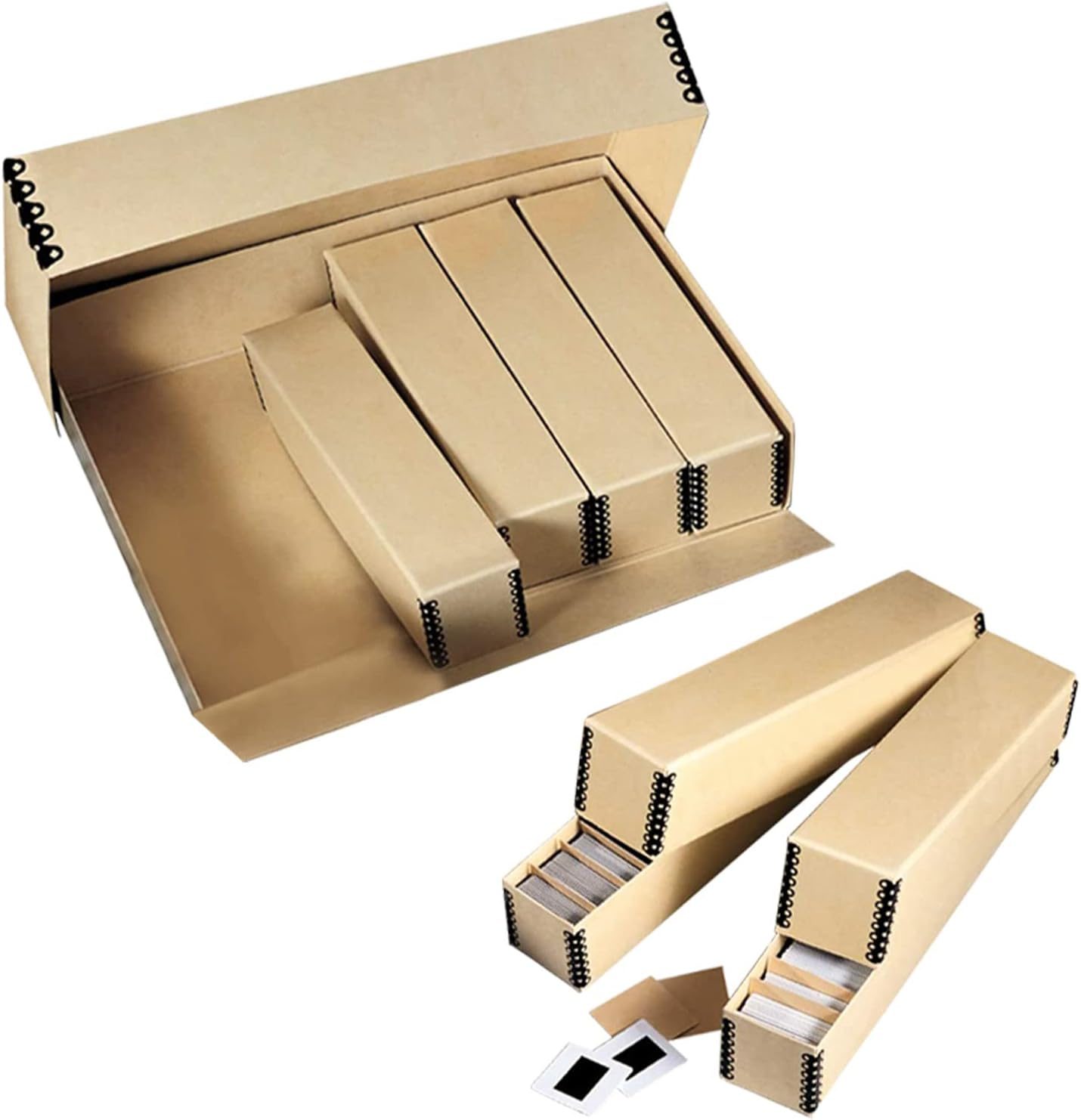
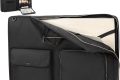
📷 Photo by amazon.com
The Advantages of Drop-Front Boxes
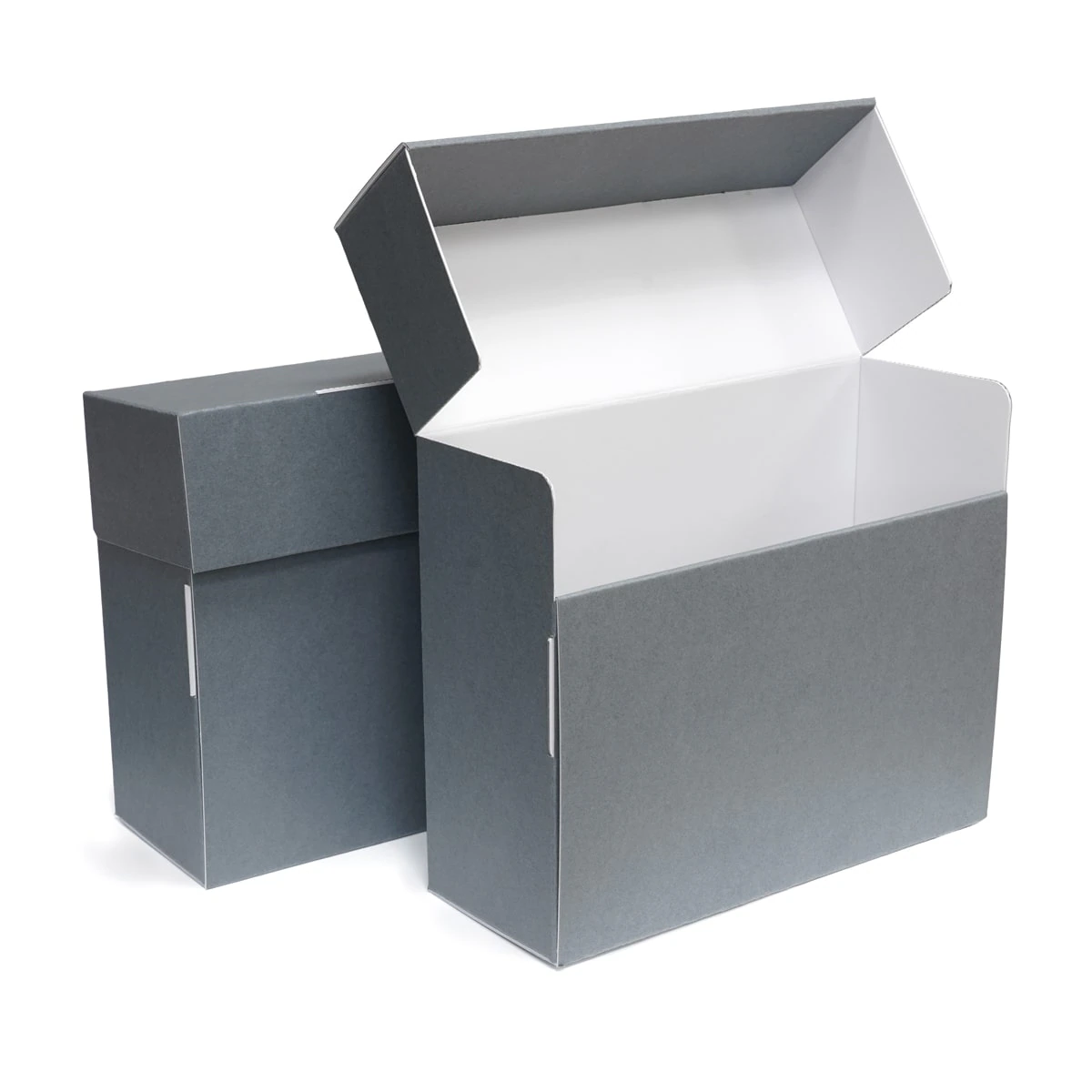
Unlike standard telescope-lid boxes, drop-front boxes feature a hinged side that folds down completely. This design allows you to slide your art out horizontally rather than lifting it vertically. When you pull a print out of a standard box, you often risk catching the corners or edges on the sides of the container, which can lead to tears or dog-eared corners. The drop-front eliminates this physical stress entirely.
Furthermore, these boxes are typically constructed from buffered, acid-free board. The buffering agent—usually calcium carbonate—helps neutralize any acidic gases that may migrate into the box over time. This creates a stable micro-environment that acts as a buffer against external atmospheric changes.
Key Specifications for Archival Storage
Not all storage boxes are created equal. When shopping for archival supplies, you must look for specific certifications, such as passing the Photographic Activity Test (PAT). The following table outlines the essential criteria you should verify before purchasing a storage unit for your collection.
| Feature | Archival Standard | Why it Matters |
|---|---|---|
| pH Level | 8.0 to 9.5 (Buffered) | Neutralizes acidity from the air and the paper itself. |
| Material | Acid-free/Lignin-free Board | Prevents chemical breakdown and yellowing of paper. |
| Construction | Metal-edge or Clamshell | Provides structural integrity and prevents dust entry. |
| PAT Status | Passed | Ensures the material is safe for photographic prints. |
How to Properly Store Your Flat Art
Even with the best box, improper handling can lead to degradation. Follow these steps to ensure your artwork remains in gallery-quality condition for decades to come.
- Clean your workspace: Ensure the surface where you are handling the art is free of dust, food, or moisture. Wash and dry your hands thoroughly, or use clean cotton archival gloves to prevent skin oils from transferring to the paper.
- Interleave every piece: Place a sheet of acid-free, unbuffered tissue paper between every single print. This prevents ink transfer and surface abrasion if the prints shift during storage.
- Stack with care: Place the largest items at the bottom and smaller items on top. Never overfill the box; if you cannot easily slide the drop-front closed without force, the box is too full.
- Label the exterior: Use an archival-safe pen to label the outside of the box with the contents and the date of storage. Avoid using adhesive labels, as the glue can dry out and fall off, or worse, cause damage to the box material over time.
- Store in a stable environment: Keep your boxes in a cool, dry room. Avoid basements or attics, which are prone to extreme temperature swings and humidity spikes that invite mold growth.
Common Mistakes to Avoid
One of the most frequent errors collectors make is storing artwork in plastic sleeves inside these boxes. While plastic sleeves seem like extra protection, many off-the-shelf plastic bags contain plasticizers that can off-gas and damage fine art over time. If you must use a sleeve, ensure it is made of Mylar (polyester) or another inert, archival-grade plastic.
Another mistake is stacking boxes too high. The weight of the boxes on the bottom can compress the board, potentially affecting the artwork inside. Always aim to store your boxes on sturdy shelving where they can sit flat, and avoid stacking more than three boxes high to ensure the bottom box remains structurally sound.
Signs of Environmental Damage
Even in high-quality storage, you should perform an annual inspection. Look for “foxing,” which appears as small, reddish-brown spots on the paper; this is often a sign of fungal growth triggered by humidity. If the edges of your paper appear darkened or brittle, your storage environment may be too acidic, or the buffering agents in your box may be exhausted, signaling that it is time to replace the container.
Frequently Asked Questions
Q: Should I use buffered or unbuffered tissue paper for interleaving?
A: Use buffered tissue for most prints and documents. However, if you are storing cyanotypes, certain albumen prints, or protein-based media, use unbuffered tissue, as the alkaline buffer in the paper can chemically react with these sensitive materials.
Q: How often should I replace my archival storage boxes?
A: High-quality archival boxes can last for decades. However, if the box becomes damp, shows signs of mold, or if the edges start to fray and lose their structural integrity, you should replace the box immediately to maintain the protection of your artwork.
Q: Can I store my prints vertically?
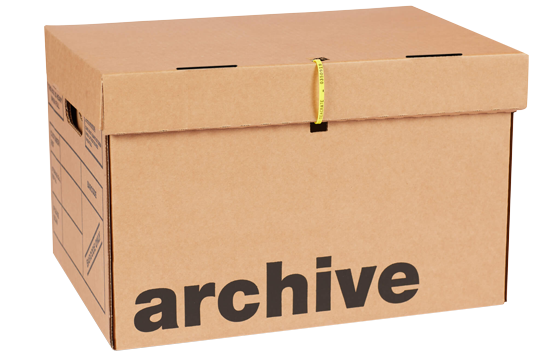
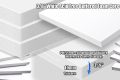
📷 Photo by halfpricepackaging.com
A: Vertical storage is generally discouraged for flat art because it causes prints to slump and bend under their own weight. Always store flat art horizontally in drop-front boxes to ensure the integrity of the paper fibers is maintained over the long term.
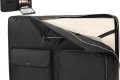
📷 Photo by talasonline.com