





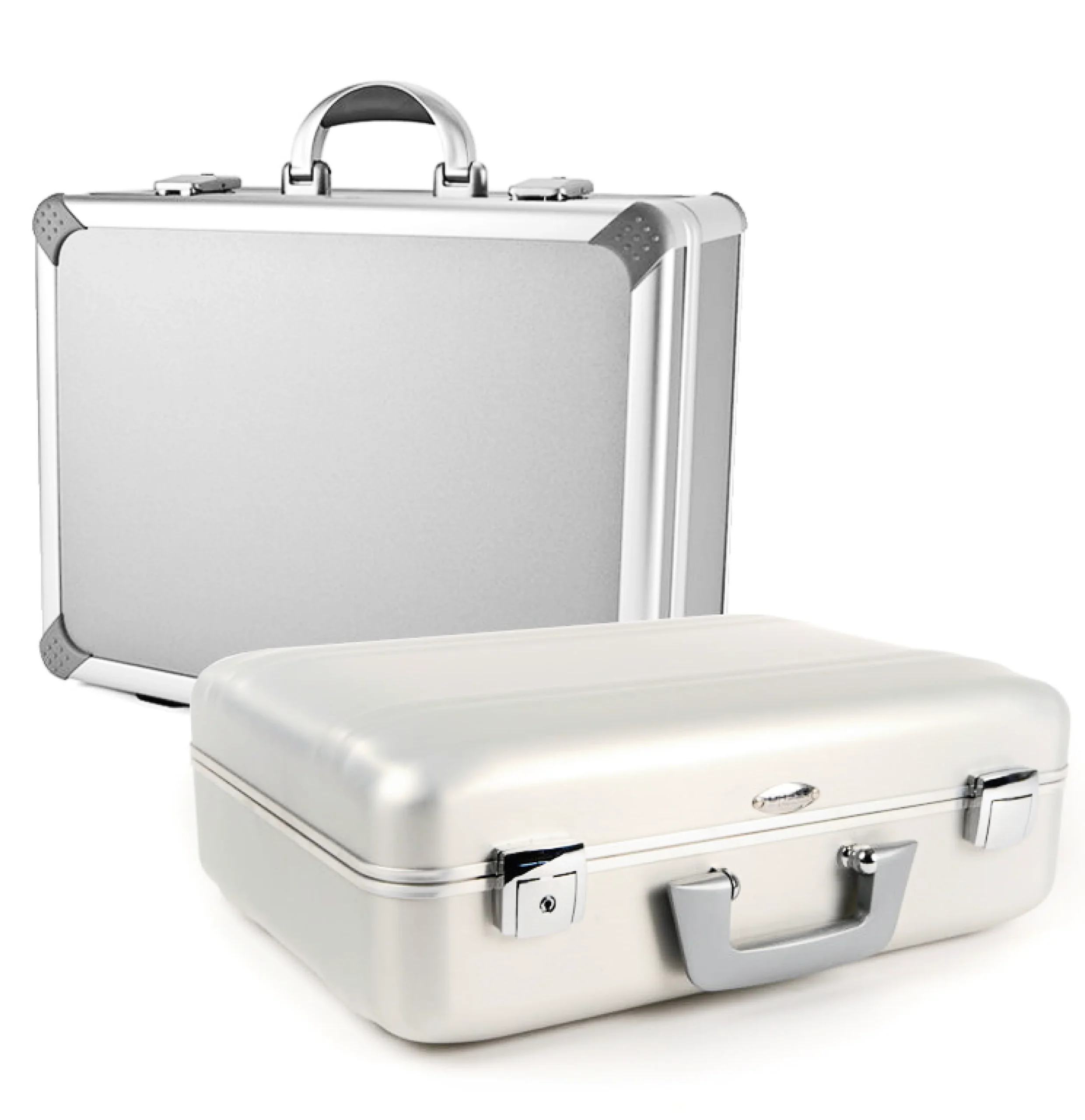
Innerspark.us – An aluminum artist portfolio case provides superior structural protection against crushing and moisture, while a nylon bag offers lightweight portability and flexibility for short-distance transit.
Choosing the right transport method for your artwork is a critical decision that balances the safety of your portfolio against the physical demands of your daily commute. Artists often find themselves choosing between the rigid security of aluminum cases and the versatile convenience of nylon bags. Understanding how these materials perform under stress is essential for protecting your creative investment.
The Case for Aluminum: Unmatched Structural Integrity
Aluminum portfolio cases are the gold standard for professional artists who frequently travel, ship their work, or attend high-stakes gallery showings. The primary advantage of aluminum is its rigidity. Unlike fabric, which can bend or puncture, an aluminum shell acts as an exoskeleton for your drawings, paintings, or photographs.
When you are navigating crowded subways or placing your portfolio in an overhead bin, the aluminum frame prevents external pressure from warping or creasing your work. Furthermore, most high-quality aluminum cases feature a gasket seal that provides a degree of water resistance, protecting your work from sudden downpours or accidental spills that would easily soak through standard nylon.
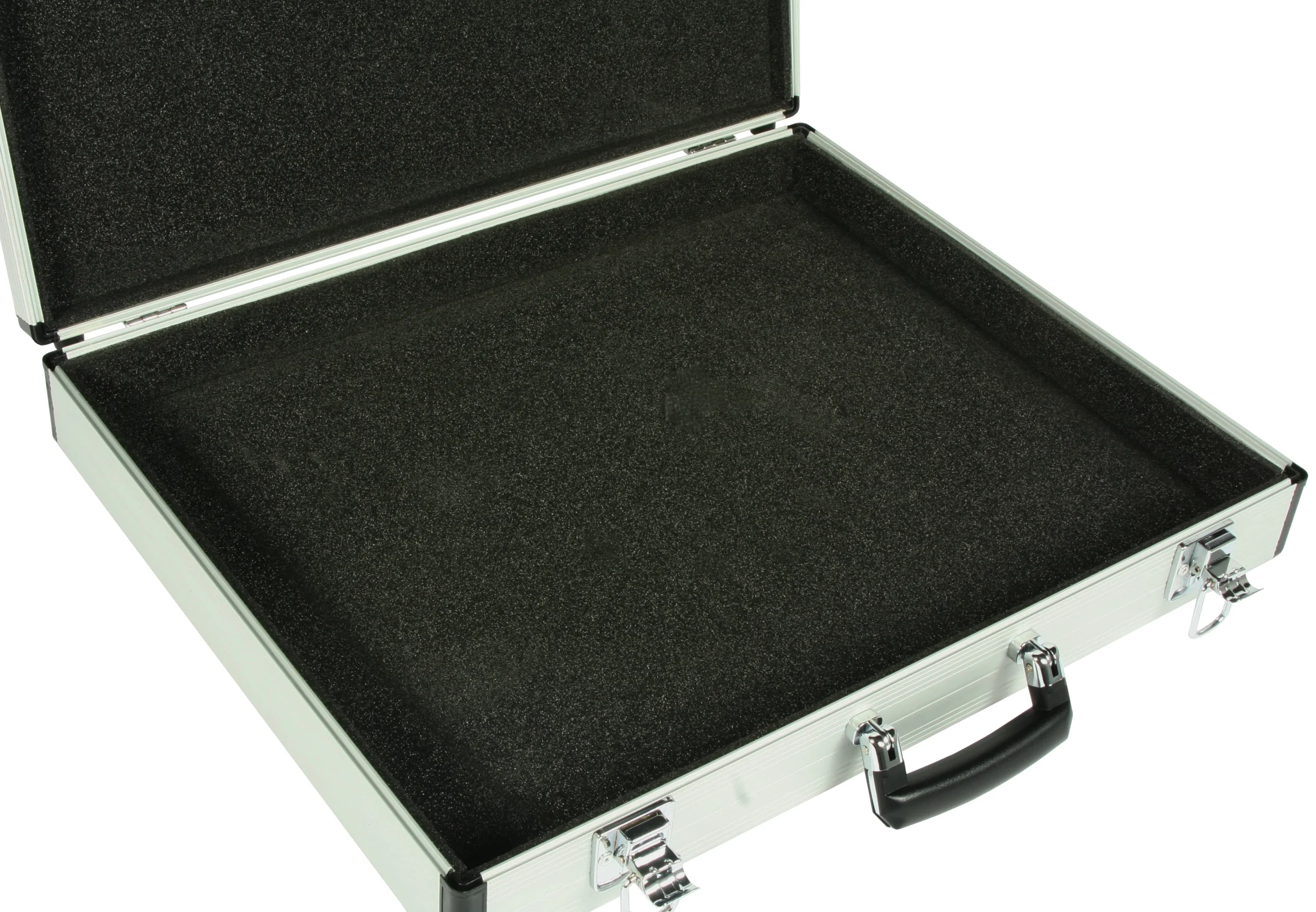
📷 Photo by thecaseshop.co.uk
The Case for Nylon: Portability and Weight Management
Nylon portfolio bags are designed with the student or urban artist in mind. They are significantly lighter, making them the preferred choice for those who walk long distances or use public transportation where carrying a bulky metal case would be cumbersome. Nylon is inherently flexible, allowing it to fit into tighter storage spaces where a rigid case would fail.
Modern nylon portfolios often come with reinforced corner stitching and high-denier fabrics that resist tearing. While they lack the crush-proof nature of metal, they are much quieter to handle and often feature expansive exterior pockets for brushes, markers, and sketchbooks. For the artist whose work is already framed or mounted on rigid board, a nylon bag serves as an excellent dust cover and carry-all.
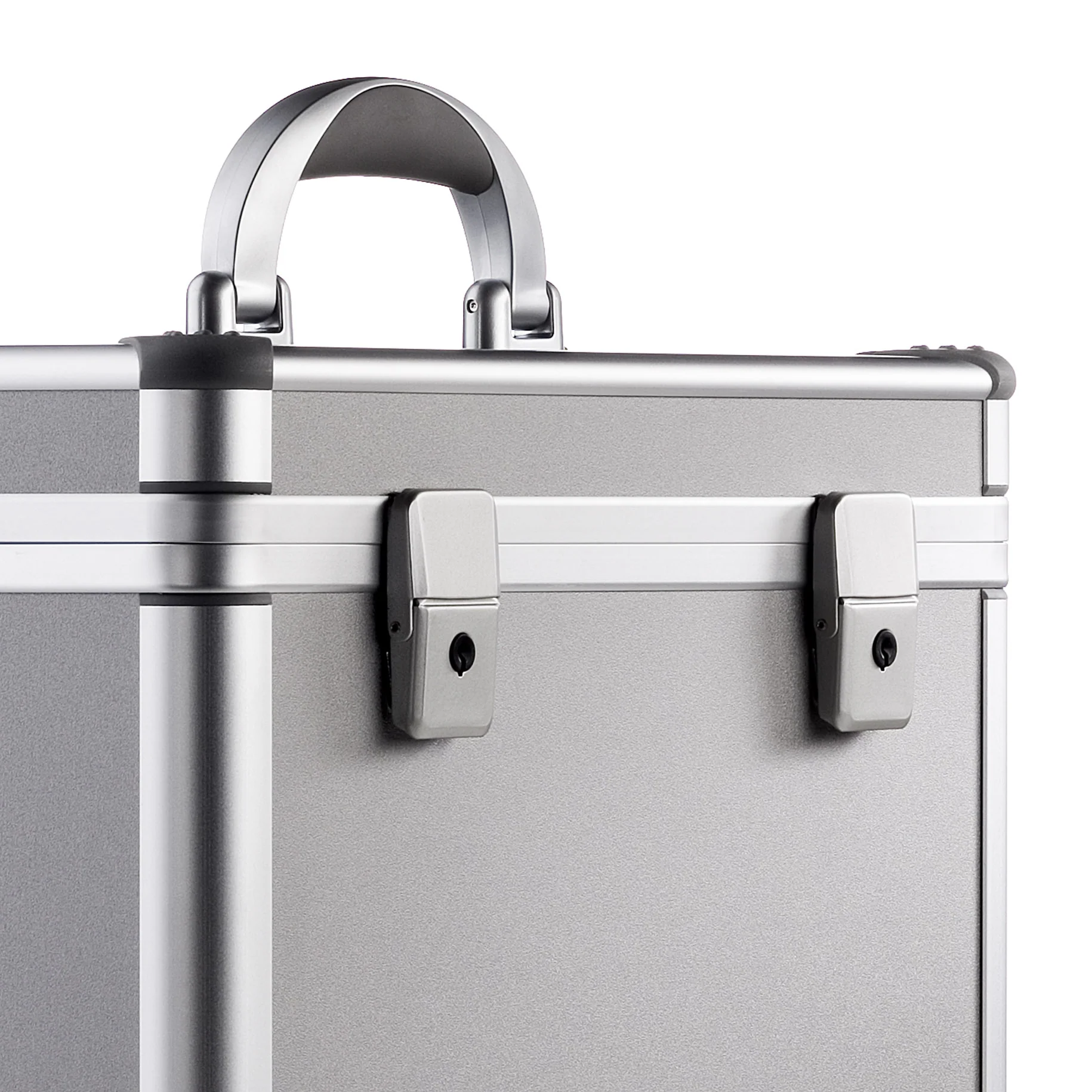
📷 Photo by shop.casesbysource.com
Comparative Durability and Performance Matrix
| Feature | Aluminum Case | Nylon Bag |
|---|---|---|
| Crush Resistance | Excellent (Rigid) | Low (Flexible) |
| Weight | Heavy | Lightweight |
| Weatherproofing | High (Gasket seal) | Moderate (Water-repellent coating) |
| Storage | Bulky/Fixed | Collapsible/Compact |
| Longevity | High (Impact resistant) | Moderate (Subject to tearing) |
Common Risks and Failure Points
The most common failure point for aluminum cases is the latch mechanism. Because the case is rigid, any misalignment caused by a hard drop can make the case difficult to open or close. It is vital to inspect your hinges and latches quarterly to ensure they remain lubricated and aligned.
For nylon bags, the failure point is almost always the zipper or the shoulder strap attachment. Overloading a nylon bag creates stress on the seams, leading to premature fraying. If you choose nylon, you must be hyper-aware of “point-loading,” where a sharp edge of a frame inside the bag puts excessive pressure on one specific area of the fabric, eventually causing a puncture.
Steps to Evaluate Your Portfolio Needs
Before investing in an expensive carrier, follow this systematic approach to determine which material suits your workflow:
- Assess your primary mode of transit: If you drive a car, the bulk of an aluminum case is manageable. If you walk or bike, the weight of aluminum may lead to back strain, making a nylon bag a better choice.
- Evaluate the fragility of your work: Determine if your work is on loose paper, mounted board, or framed. Unmounted paper requires the absolute rigidity of an aluminum case to prevent bending.
- Check the weather conditions of your region: If you live in a rainy climate, the moisture-resistant seal of an aluminum case is non-negotiable.
- Calculate your daily load: Determine if you are carrying only the art or if you need to transport additional supplies. Nylon bags offer more external storage, whereas aluminum cases are strictly for the art itself.
Practical Tips for Long-Term Maintenance
Regardless of the material you choose, maintenance is the key to longevity. For aluminum, keep the interior free of dust, which can act as an abrasive against delicate charcoal or pastel drawings. Use a soft cloth to wipe down the exterior to prevent oxidation or salt buildup if you live near the coast.
For nylon bags, never store them while damp. If you get caught in the rain, unzip the bag completely and let it air dry in a cool, shaded area. Storing a damp nylon bag can lead to mildew, which can permanently ruin your artwork. Additionally, avoid dragging your nylon bag on the ground, as sidewalk grit acts like sandpaper on the base fabric, thinning it until it eventually rips.
Frequently Asked Questions
Q: Can I use a nylon bag for professional gallery submissions?
A: While a clean, high-quality nylon bag is acceptable, an aluminum case projects a more professional, “archival-ready” image to curators and gallery owners, signaling that you take the safety of your work seriously.
Q: Is it possible to combine both for maximum protection?
A: Many artists use a slim, acid-free sleeve inside a nylon bag for a secondary layer of protection, though this still does not provide the crush-proof security of an aluminum case.
Q: Does aluminum temperature affect the artwork inside?
A: Yes, metal is highly conductive. In extreme heat or cold, an aluminum case will transfer those temperatures to the interior faster than a nylon bag. If you are transporting temperature-sensitive mediums like oil paint in extreme weather, wrap your work in thermal-insulating paper before placing it in the aluminum case.
In conclusion, your choice should be dictated by the physical vulnerability of your art and the intensity of your travel schedule. If your work is one-of-a-kind and irreplaceable, the weight and cost of an aluminum case are a small price to pay for the peace of mind it provides. If your work is reproducible or you are a student on the move, the lightweight versatility of nylon will likely serve your lifestyle more effectively.
Read also: How to Digitize Charcoal and Pastel Drawings Without Smudging
📷 Photo by shop.casesbysource.com