




Innerspark.us – A compelling artist statement acts as a professional bridge between your creative vision and the art director’s commercial needs by focusing on the conceptual “why” behind your work rather than a simple biography. It must clearly articulate your unique aesthetic voice, technical approach, and thematic intent to prove your suitability for specific projects or gallery representation.
Understanding the Art Director’s Perspective
Art directors are not looking for flowery prose or cryptic poetry; they are looking for clarity, consistency, and professional reliability. When they review an artist statement, they are scanning for keywords that define your style and your ability to solve visual problems. They want to know if your artistic trajectory aligns with their upcoming campaigns or curatorial goals.
📷 Photo by amazon.ca
Most artists make the mistake of writing a chronological history of their education or a list of exhibitions. While that information belongs on your CV, it does not belong in your artist statement. An art director needs to understand your “why” so they can sell your work to their clients or stakeholders. If they can understand your intent, they can trust you to execute a brief effectively.
Core Elements of an Impactful Statement
A professional artist statement should be concise, ideally between 150 and 300 words. It needs to define your medium, your subject matter, and the emotional or intellectual impact you hope to achieve. Avoid jargon that obscures meaning. If you are a landscape painter, don’t just say you paint trees; explain how the light in your work explores the tension between urban development and natural preservation.
Consider the difference between a description and a statement. A description is “I use acrylic paint on canvas to make circles.” A statement is “My use of geometric abstraction in acrylic explores the chaotic nature of modern digital information overload.” The latter gives the art director context and a narrative hook for their project.
Strategic Components for Success
| Component | What to Include | What to Avoid |
|---|---|---|
| Conceptual Hook | The core philosophy behind your work | Vague, existential musings |
| Technical Process | The intentionality behind your medium | A list of specific brand names or tools |
| Target Audience | Who your work resonates with | Claims that your art is for “everyone” |
| Professional Tone | Active, confident, and direct verbs | Self-deprecating or overly humble language |
Step-by-Step Writing Process

📷 Photo by au.pinterest.com
Writing your statement does not need to be an overwhelming task. Follow this structured approach to ensure you cover all necessary bases while maintaining a professional tone.
- Brainstorm your keywords: Write down five words that describe the mood of your work and five words that describe your technical process. Use these as the foundation for your sentences.
- Draft the “What” and “Why”: Start with a single sentence that identifies what you make, followed immediately by why you make it. Ensure the connection between the two is logical.
- Address the “How”: Briefly mention your process in a way that highlights your expertise. Focus on the intentionality behind your choices rather than the physical labor.
- Edit for flow and clarity: Read your draft aloud. If you stumble over a sentence, it is too complex. Cut the fluff and ensure the language is accessible to a non-artist.
- Tailor for specific applications: Keep a master version, but create minor variations for different contexts, such as a gallery submission versus a commercial portfolio review.
Common Pitfalls to Avoid
One of the most frequent mistakes is the “I feel” trap. Starting every sentence with “I feel” or “I believe” shifts the focus away from the work and onto the artist’s internal state. Art directors are interested in the work as an external product. Instead of saying “I feel that my work captures the sadness of the city,” write “My work examines the isolation inherent in urban architecture.”
Another common issue is the use of “art-speak.” Using overly academic or pretentious language often signals insecurity. If you cannot explain your work in plain English, it suggests that the work itself lacks a clear foundation. Keep your vocabulary sharp and purposeful. If you find yourself using words like “juxtaposition,” “liminal,” or “dichotomy” repeatedly, check if they are serving a purpose or just filling space.
Aligning with Commercial Goals
When writing for an art director, acknowledge the environment in which your work exists. If you are a commercial illustrator, your statement should touch upon your ability to communicate complex ideas through imagery. If you are a fine artist, focus on the cultural relevance of your subjects. The goal is to show the art director that you understand the context of your own practice.
Remember that your statement is a living document. It should evolve as your practice matures. Review it every six months to ensure it still accurately reflects your current work and professional interests. If you have changed your medium or shifted your thematic focus, your statement must change with you.
Frequently Asked Questions
Q: Should I write my artist statement in the first person or third person?
A: Always write in the first person. It creates a more direct and authentic connection with the reader, which is essential for professional relationships.
Q: Is it okay to have different versions of my artist statement?
A: Yes, it is highly recommended. While your core philosophy should remain consistent, you should tweak the focus to highlight specific aspects of your work that align with the specific gallery or client you are approaching.
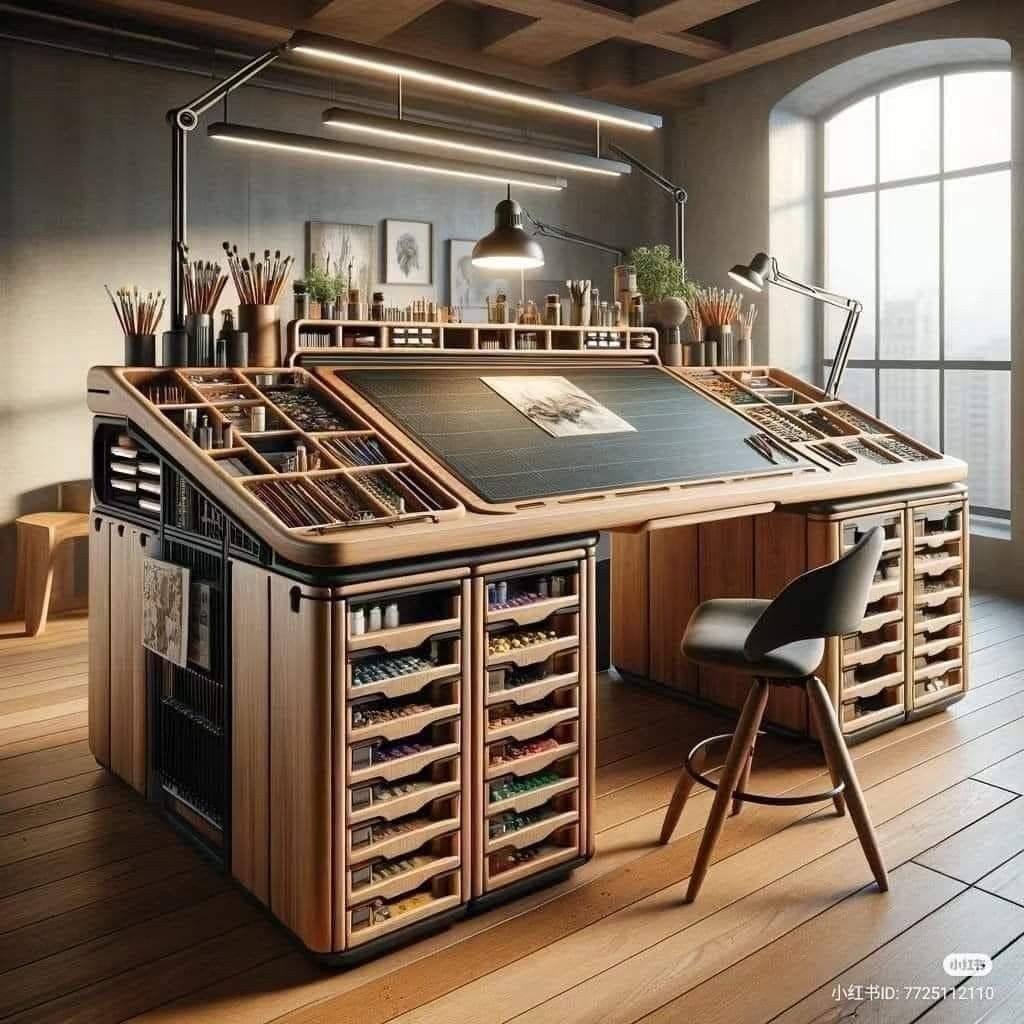
📷 Photo by co.pinterest.com
Q: How long should my statement be for a digital portfolio?
A: For a website, keep it under 200 words. Art directors are busy and will likely skim the text, so ensure the most important information is in the first paragraph.
The Role of Consistency
Finally, ensure your artist statement matches the visual evidence on your website or in your portfolio. If your statement claims you explore “vibrant, high-energy color palettes” but your portfolio is full of muted, monochromatic photography, the art director will lose trust in your vision. Your words and your images must tell the same story. When they do, you become a compelling candidate for any project, as you demonstrate both technical skill and a clear, professional identity.
📷 Photo by pinterest.com