


Innerspark.us – Shipping archival fine art prints requires a rigid, moisture-resistant barrier combined with a “sandwich” packing method to ensure the paper remains perfectly flat and protected from atmospheric changes during transit.
The primary challenge when shipping fine art is the delicate nature of archival paper. Whether you are dealing with giclee prints on heavy cotton rag or thinner photographic papers, the surface is susceptible to micro-scratches, edge dings, and moisture absorption. Once a crease occurs in archival paper, the fibers are permanently compromised, rendering the print unsellable or unsuitable for professional framing. Protecting the integrity of the print begins long before the shipping label is printed; it starts with the environment in which the print is prepared.
The Importance of Environmental Control
Before packing, ensure your prints are stored in a climate-controlled environment. Archival papers are hygroscopic, meaning they absorb and release moisture from the air. If you pack a print in a humid environment and seal it in a plastic sleeve, the trapped moisture can cause the paper to ripple or warp during shipment as temperatures fluctuate inside delivery trucks. Always allow your prints to acclimate to room temperature for at least 24 hours before sealing them for shipment.
Essential Materials for Secure Packing
To ship prints safely, you must move away from standard office supplies and invest in archival-grade materials. Using acidic tape or low-quality cardboard will lead to long-term degradation of the artwork. You need a combination of structural rigidity and chemical neutrality. Below is a checklist of the necessary items to ensure professional-grade protection.
| Material | Purpose | Specification Requirement |
|---|---|---|
| Glassine Paper | Surface Protection | Acid-free, pH-neutral |
| Rigid Backing Board | Structural Integrity | Double-walled corrugated or foam core |
| Clear Archival Sleeve | Moisture Barrier | BOPP or Mylar (BPA-free) |
| Shipping Envelope | Outer Protection | Rigid stay-flat mailer |
Step-by-Step Packing Process
Following a standardized packing workflow minimizes the risk of human error. This method is designed to prevent the print from shifting inside the package, which is the most common cause of corner damage.
- Place the fine art print face down on a clean, flat surface covered with a sheet of glassine paper to prevent surface abrasion.
- Layer a piece of acid-free glassine over the face of the print, then place a rigid backing board of the same size behind the print.
- Slide the entire “sandwich” into a clear archival sleeve, ensuring the fit is snug but not so tight that it bows the paper.
- Place the sleeved print between two additional, slightly larger rigid backing boards to create a protective shell.
- Secure the boards together with painters tape or archival-safe tape, but do not tape the print itself to the boards.
- Insert the secured bundle into a rigid stay-flat mailer that is reinforced with heavy-duty cardboard.
- Seal the mailer completely with water-activated tape or pressure-sensitive packaging tape, covering all seams to prevent moisture entry.
Common Mistakes to Avoid
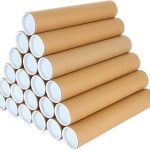
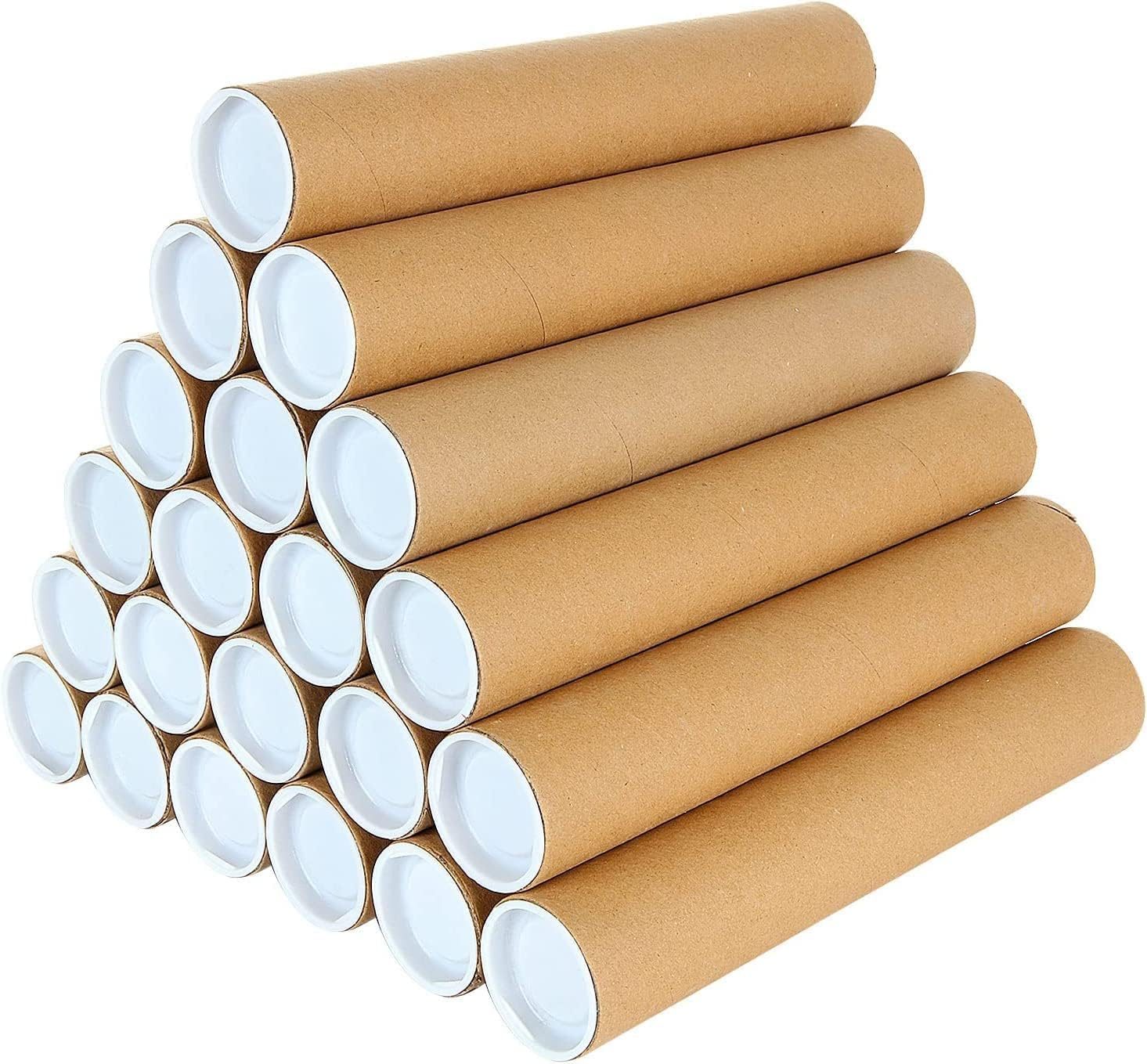
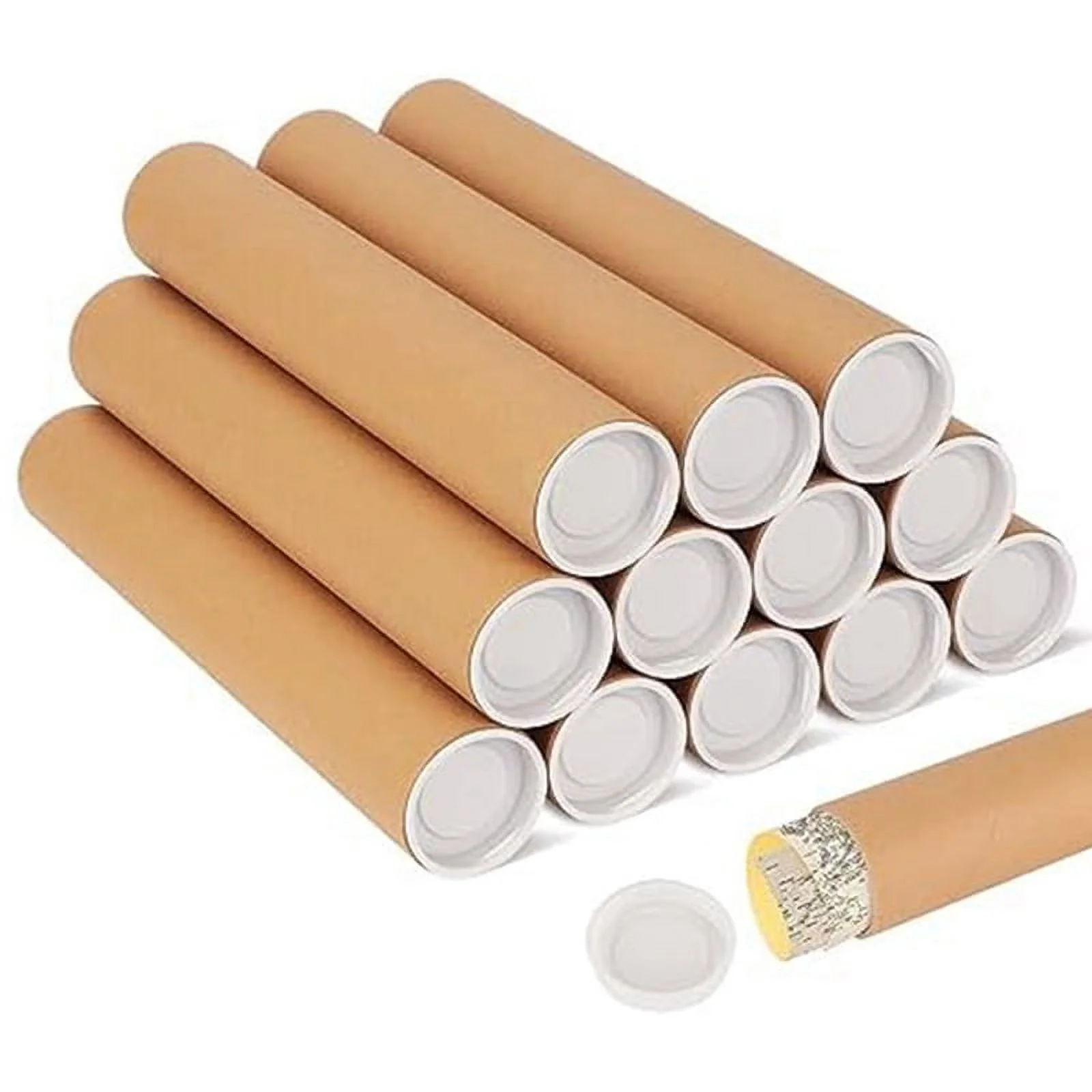
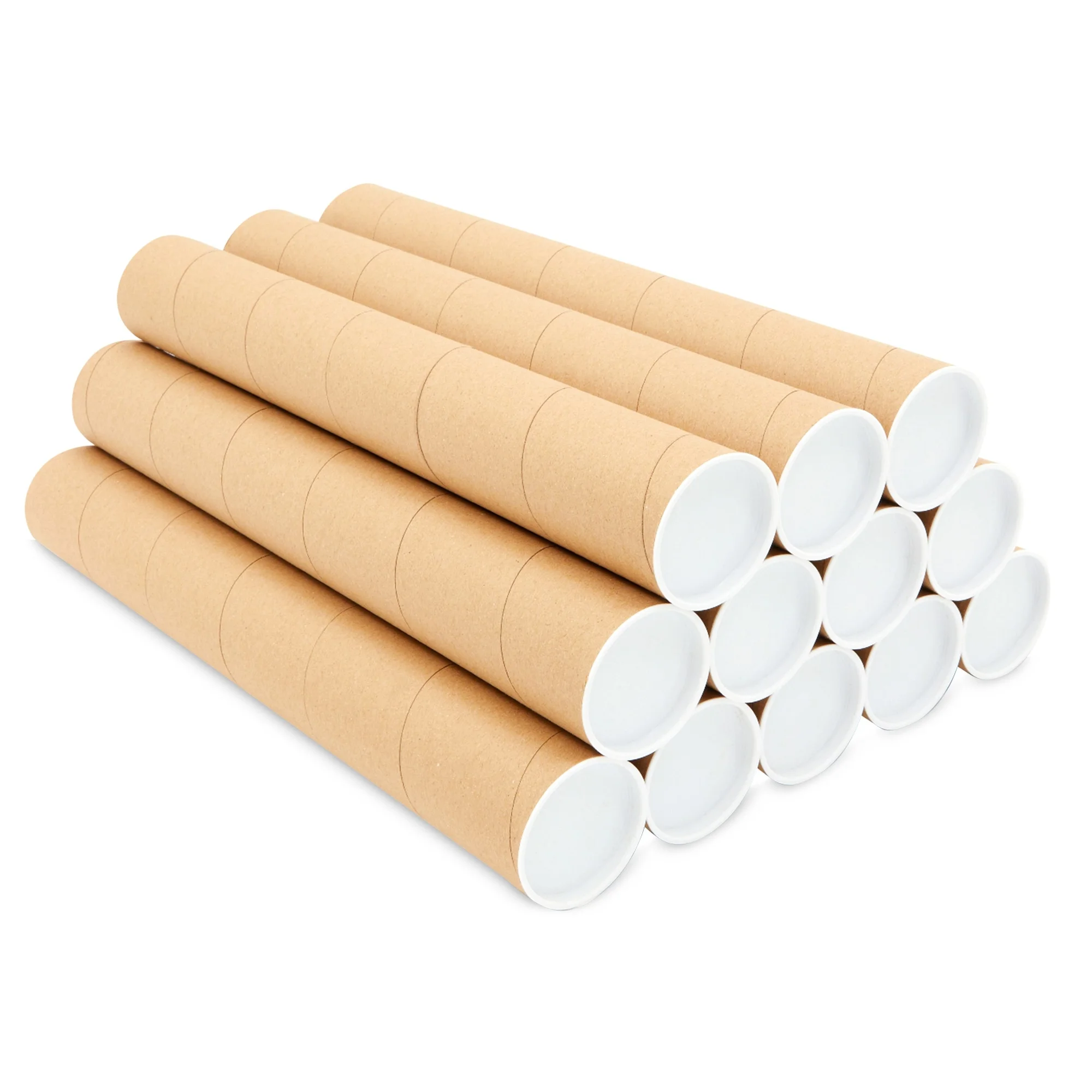
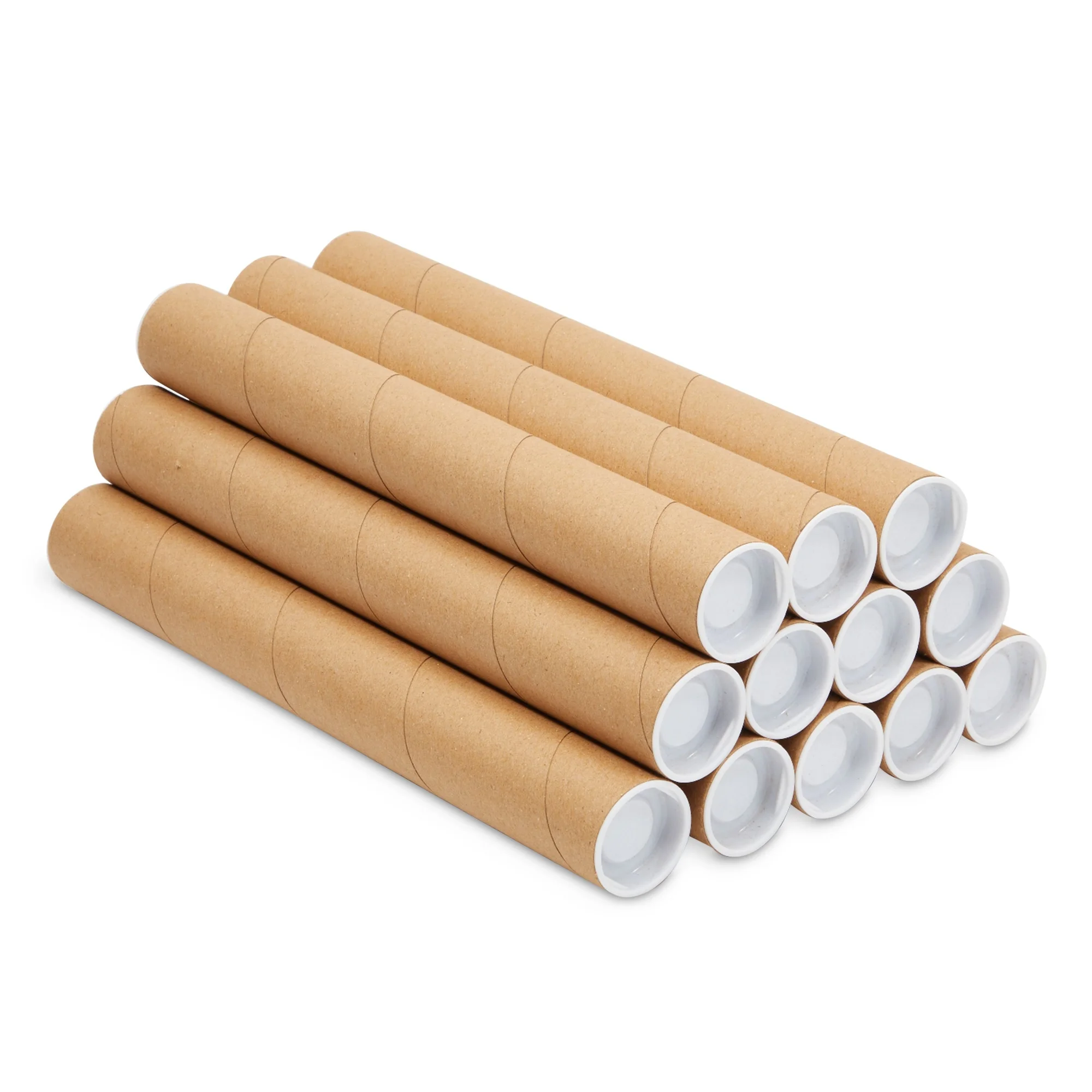
One of the most frequent mistakes artists make is rolling prints to save on shipping costs. While rolled shipping is common for large posters, it is dangerous for heavy archival paper. Heavy papers have a “memory” and are prone to cracking or “tunneling” when rolled tightly. If you must roll a print, use a tube with a diameter of at least 4 inches to minimize the stress on the fibers. However, for high-value fine art, flat shipping remains the gold standard.
Another common error is using standard bubble mailers. Bubble mailers offer zero structural rigidity; they are designed to protect against impact, not bending. If a mail carrier places a heavy box on top of a bubble mailer, your print will bend instantly. Always insist on “Stay-Flat” rigid mailers that are specifically engineered to resist folding.
Managing Risks During Transit
Even with the best packing, transit risks exist. Temperature swings are the silent killer of fine art. If a package travels from a cold warehouse to a hot delivery truck, condensation can form inside the plastic sleeve. To mitigate this, always include a small silica gel desiccant pack inside the outer shipping envelope—not directly touching the print—to absorb excess humidity. Furthermore, clearly label the package with “Fragile: Do Not Bend” stickers. While this does not guarantee careful handling, it alerts the courier to prioritize the package’s orientation.
FAQ: Shipping Fine Art Prints
Q: Should I use bubble wrap inside the package?
A: Avoid bubble wrap directly against the print, as the pressure of the bubbles can leave permanent indentations on the surface of fine art paper. Use glassine or archival tissue paper instead.
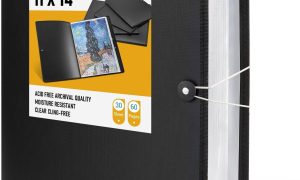
📷 Photo by walmart.com
Read also: Best Portable Drawing Tablet for Drawing on the Go
Q: Is it safe to use recycled cardboard for backing?
📷 Photo by walmart.com
A: Only if it is clean and rigid. Avoid using old shipping boxes that have been folded or creased, as they lack the structural strength to prevent bending and may contain dust or debris that can scratch your print.
📷 Photo by walmart.com
Q: What is the best way to handle large prints over 16×20 inches?
A: For prints larger than 16×20 inches, the risk of bending increases exponentially. If you cannot ship them flat, use a heavy-duty, wide-diameter mailing tube and wrap the print in glassine before rolling it to prevent the paper from touching itself.
Ultimately, professional shipping is about redundancy. By layering protective barriers—from the glassine surface layer to the rigid outer mailer—you create a defensive system that protects your work against both physical force and environmental variables. Investing time in proper packaging not only protects the artwork but also reinforces your professional reputation with collectors and galleries.
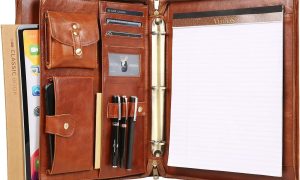
📷 Photo by amazon.com