




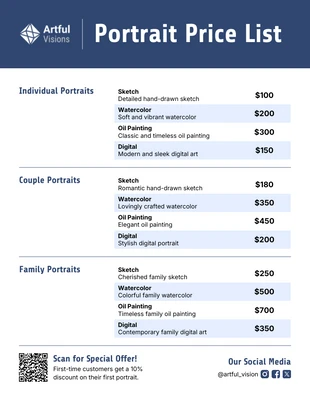
Innerspark.us – Creating a professional commission price sheet involves calculating your hourly labor, accounting for material costs, and establishing tiered pricing that reflects your current skill level and market demand.
Establishing clear pricing is the most critical hurdle for any freelance artist looking to transition from hobbyist to professional. Without a structured price sheet, you risk undervaluing your labor and causing confusion for potential clients. A well-constructed price sheet acts as both a menu for your services and a professional contract baseline that protects your time and expertise.
The Foundation of Your Pricing Strategy
Before you list a single dollar amount, you must understand your baseline costs. Many artists make the mistake of looking at what competitors charge without considering their own unique overhead. Your price must cover your equipment, software subscriptions, studio space, and, most importantly, your time.
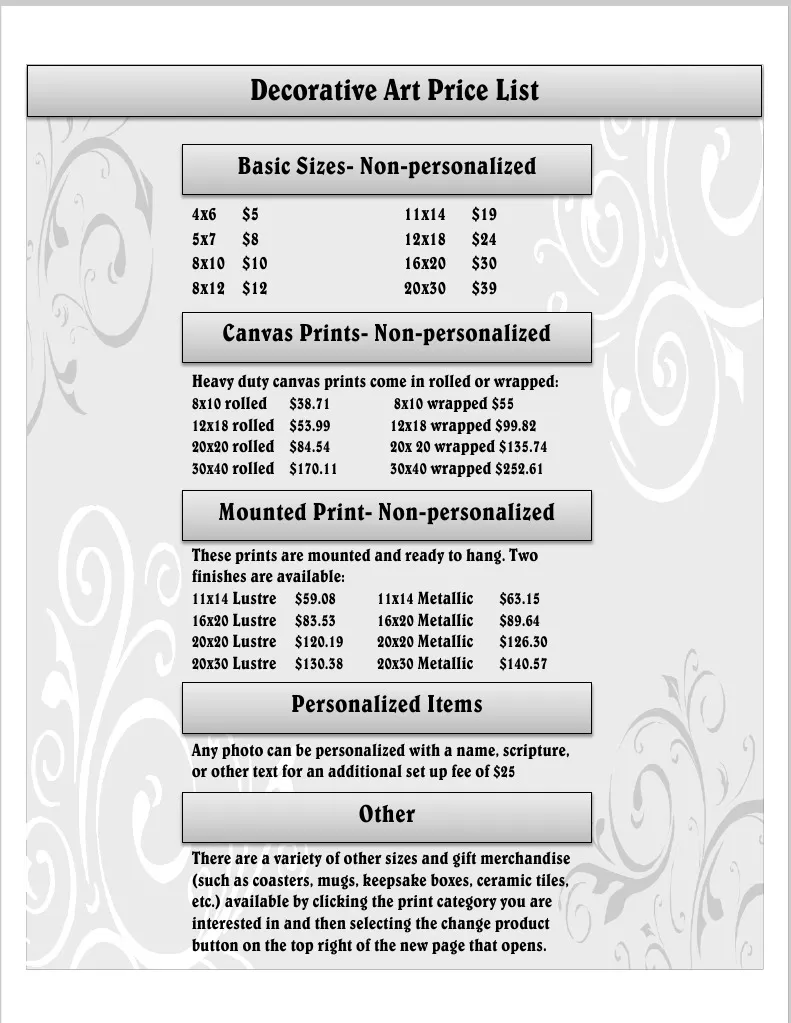
📷 Photo by scribd.com
Calculate your desired hourly rate first. If you want to earn a specific monthly income, divide that by the number of hours you can realistically spend on client work per month. Once you have an hourly baseline, you can estimate how long it takes to complete different types of commissions. This prevents the common trap of spending twenty hours on a project that only pays for five.
Structuring Your Commission Tiers
Complexity is the enemy of a successful commission business. Clients are often overwhelmed by too many variables, so categorize your services into clear, predictable tiers. This allows customers to choose an option that fits their budget while helping you maintain a consistent workflow.
Consider using the following structure to organize your offerings:
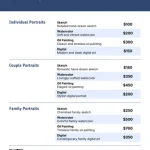
| Service Level | Complexity | Estimated Time | Base Starting Price |
|---|---|---|---|
| Sketch/Lineart | Low | 1-3 Hours | $50 – $100 |
| Flat Color | Medium | 4-7 Hours | $150 – $250 |
| Full Render | High | 8-15+ Hours | $300 – $600+ |
Step-by-Step Guide to Drafting Your Sheet
Once you have your numbers, you need to present them in a way that is easy for a client to digest. Follow these steps to build your sheet effectively:
- Define your scope: Clearly state what is included in each tier (e.g., number of characters, background detail level, and file format).
- Add extra fees: Create a list of common “add-ons,” such as commercial usage rights, rush delivery, or complex background requests.
- Include terms of service: Briefly mention your policy on revisions, deposit requirements, and estimated turnaround times.
- Visual examples: Pair each price tier with a high-quality example of your previous work so the client knows exactly what the quality level looks like.
- Call to action: End with a clear instruction on how to contact you, such as directing them to an inquiry form or a specific email address.
Common Mistakes to Avoid
One of the biggest mistakes artists make is leaving their pricing “open for negotiation” without a floor. While you should be flexible, always have a minimum price that you are unwilling to drop below. Accepting projects below your minimum creates a precedent that makes it difficult to raise your prices later with returning clients.
Another issue is ignoring the “hidden” time costs. Communication, file management, and invoicing are all part of the job. If you spend three hours emailing a client back and forth, that is billable time. Build a small percentage of “administrative time” into your base prices so you are not working for free during the consultation phase.
Refining Your Prices Over Time
Your price sheet is a living document. As your skills improve and your waitlist grows, your prices should reflect that increased demand. A standard practice is to review your prices every six months. If you are consistently booked out for more than two months, it is a clear signal that your prices are too low and you have room to increase them.
Read also: LED Studio Lighting Kit vs Traditional Strobe Lights for Art Photography
When you do raise your prices, be transparent with your audience. You do not need to apologize for your growth. Simply announce that your rates are changing to reflect your current production capacity and artistic development. Loyal clients who value your work will understand, and new clients will respect the professional standards you have set.
Frequently Asked Questions
Q: Should I display my prices publicly or hide them?
A: Displaying them publicly saves you time by filtering out clients who are not within your budget, but keeping them private allows for more custom quoting; most successful professional artists find that public base pricing strikes the best balance.
Q: How do I handle clients who ask for a discount?
A: Politely explain that your prices are set based on your time and operating costs; if they cannot afford your full price, offer a smaller, simplified service option that fits their budget rather than lowering your standard rate.
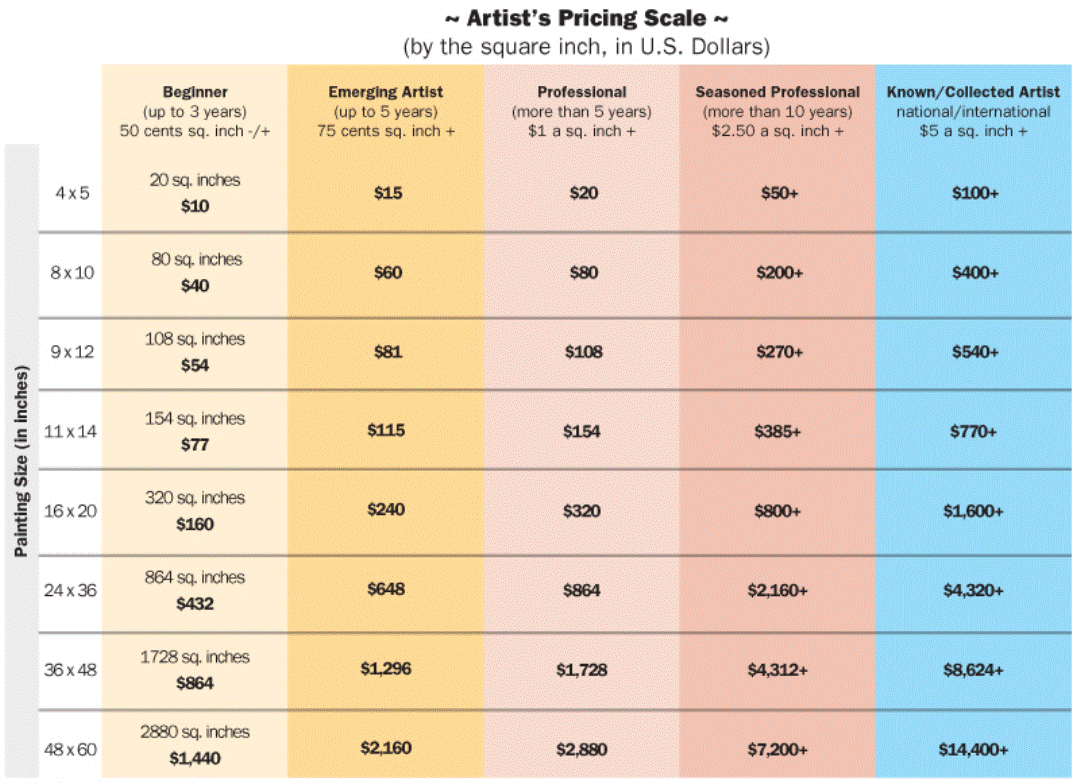
📷 Photo by pinterest.com
Q: Should I charge upfront?
A: Yes, always require at least a 50% deposit before you begin any work to ensure the client is serious and to cover your initial labor investment.
Maintaining Professionalism
Ultimately, your commission price sheet is a reflection of how you view your own work. If you present your pricing with confidence, clarity, and professionalism, your clients will treat you with the same respect. Keep your document clean, update it regularly, and never be afraid to say no to projects that do not meet your financial requirements. Your time is a finite resource, and your pricing should protect it accordingly.
📷 Photo by venngage.com