




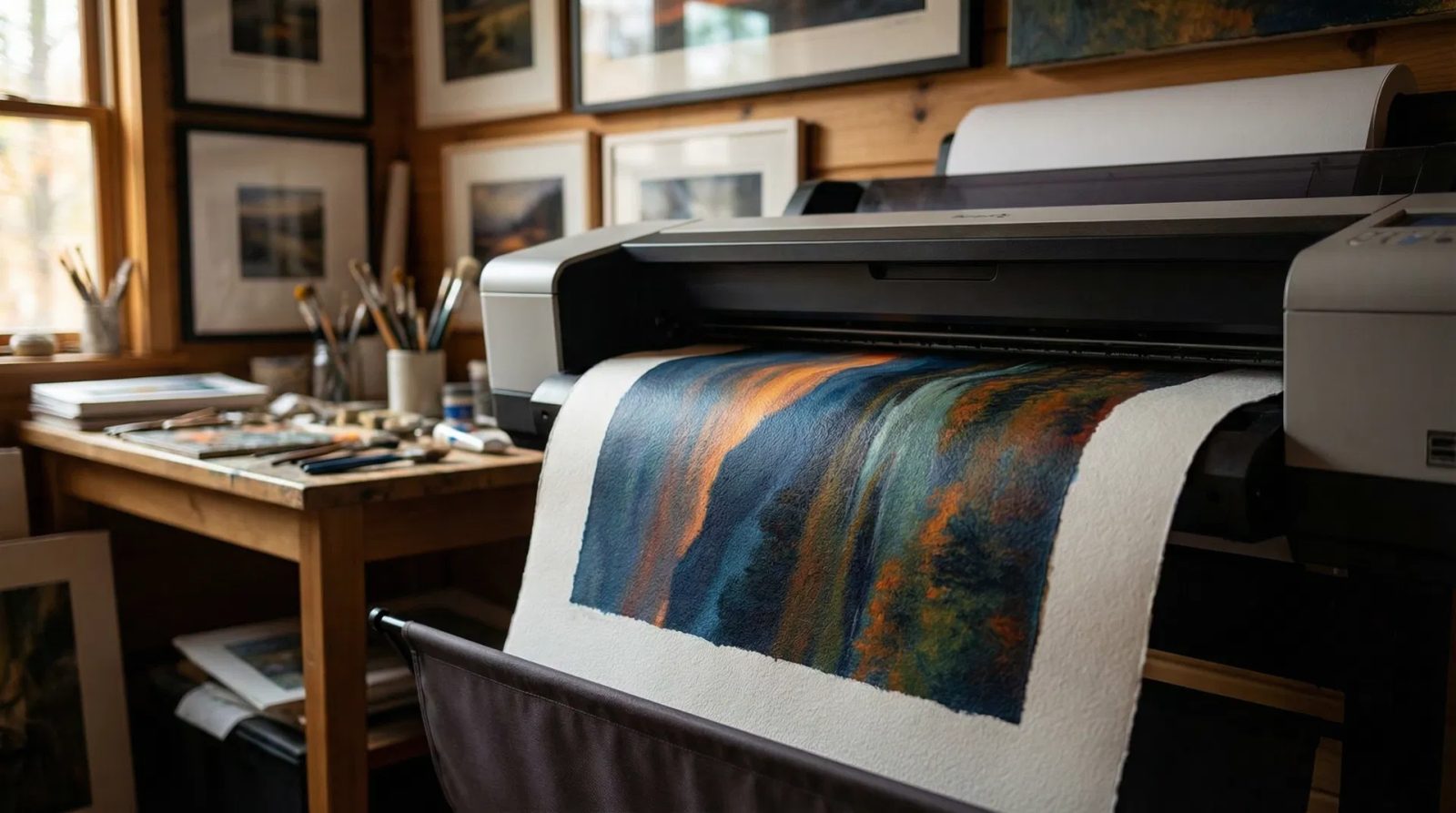
Innerspark.us – Giclee printing is a high-resolution, professional-grade inkjet reproduction process that utilizes archival-quality pigment-based inks and acid-free substrates to ensure long-term color stability and detail retention for fine art and photography. Unlike standard commercial printing, it is defined by its ability to replicate the nuances of original artwork on museum-grade materials.
Understanding the Giclee Process
The term “Giclee” originates from the French word “gicleur,” meaning to spray or squirt. It distinguishes itself from mass-market offset lithography through its specialized inkjet technology. While a standard home printer might use three or four ink colors, a professional Giclee printer often utilizes a 10 to 12-color ink set. This expanded gamut allows for smoother gradients, deeper blacks, and more accurate color reproduction that is virtually indistinguishable from an original painting.
The primary driver of this quality is the use of pigment-based inks rather than dye-based inks. Dye-based inks are water-soluble and prone to fading when exposed to UV light or ozone. Conversely, pigment inks are encapsulated in resin and sit atop the paper, providing superior resistance to lightfastness and environmental degradation.
Archival Ink and Paper Standards
For a print to be considered “archival,” it must meet specific longevity standards, often tested by independent laboratories like Wilhelm Imaging Research. These standards predict how many decades a print can remain displayed under controlled lighting conditions before noticeable fading or color shifting occurs.
The substrate, or paper, is equally important. True Giclee printing requires acid-free, lignin-free, and pH-neutral paper. If a paper contains acid, it will yellow and become brittle over time, effectively ruining the image regardless of how high-quality the ink is. Most professional Giclee prints are made on 100% cotton rag or alpha-cellulose base stocks, often treated with a specialized coating to accept the ink without bleeding.
| Feature | Standard Commercial Print | Giclee Archival Print |
|---|---|---|
| Ink Type | Dye-based or Toner | Archival Pigment-based |
| Paper pH | Acidic | Acid-free / pH Neutral |
| Longevity | 5–10 years | 80–200+ years |
| Color Gamut | Limited (CMYK) | Expanded (10-12 color sets) |
| Output Method | Offset / Laser | High-resolution Inkjet |
The Importance of Color Management
Achieving a Giclee-quality result requires a strict color management workflow. Because the monitor displays colors in RGB (light) and the printer prints in CMYK or expanded ink sets, a “profile” must be used to bridge the gap. Artists and printers use ICC profiles, which act as a translator between the software and the physical printer and paper combination. Without these profiles, the final print will rarely match the intended vision of the artist.
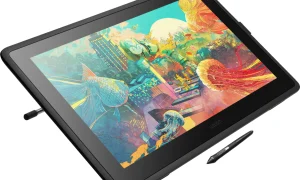
Read also: Best Drawing Tablet for Photoshop and Clip Studio Paint
Practical Steps to Ensure Quality Giclee Reproduction
If you are looking to reproduce your own artwork or photography as a Giclee, follow these steps to maintain professional standards:
- Capture your original artwork using a high-resolution scanner or a professional camera with a flat-field lens to minimize distortion.
- Ensure your digital file is saved in a high-bit depth format (16-bit) and an expansive color space like Adobe RGB or ProPhoto RGB to preserve data.
- Perform a soft-proof in your editing software using the specific ICC profile provided by the printer or the paper manufacturer to see how colors will shift during conversion.
- Order a “test strip” or a physical proof from your chosen printer on the actual substrate you intend to use before committing to a full production run.
- Inspect the print under 5000K (D50) lighting, which is the industry standard for color-critical evaluation.
Common Pitfalls and Risks
One of the most common mistakes in the Giclee world is the confusion between “Giclee” and “Fine Art Print.” Because “Giclee” is not a legally protected term, some print shops apply the label to lower-quality prints. Always ask your printer if they use genuine archival pigment inks and what the specific GSM (grams per square meter) weight of the paper is. A thin, flimsy paper is rarely archival, even if the ink is high quality.
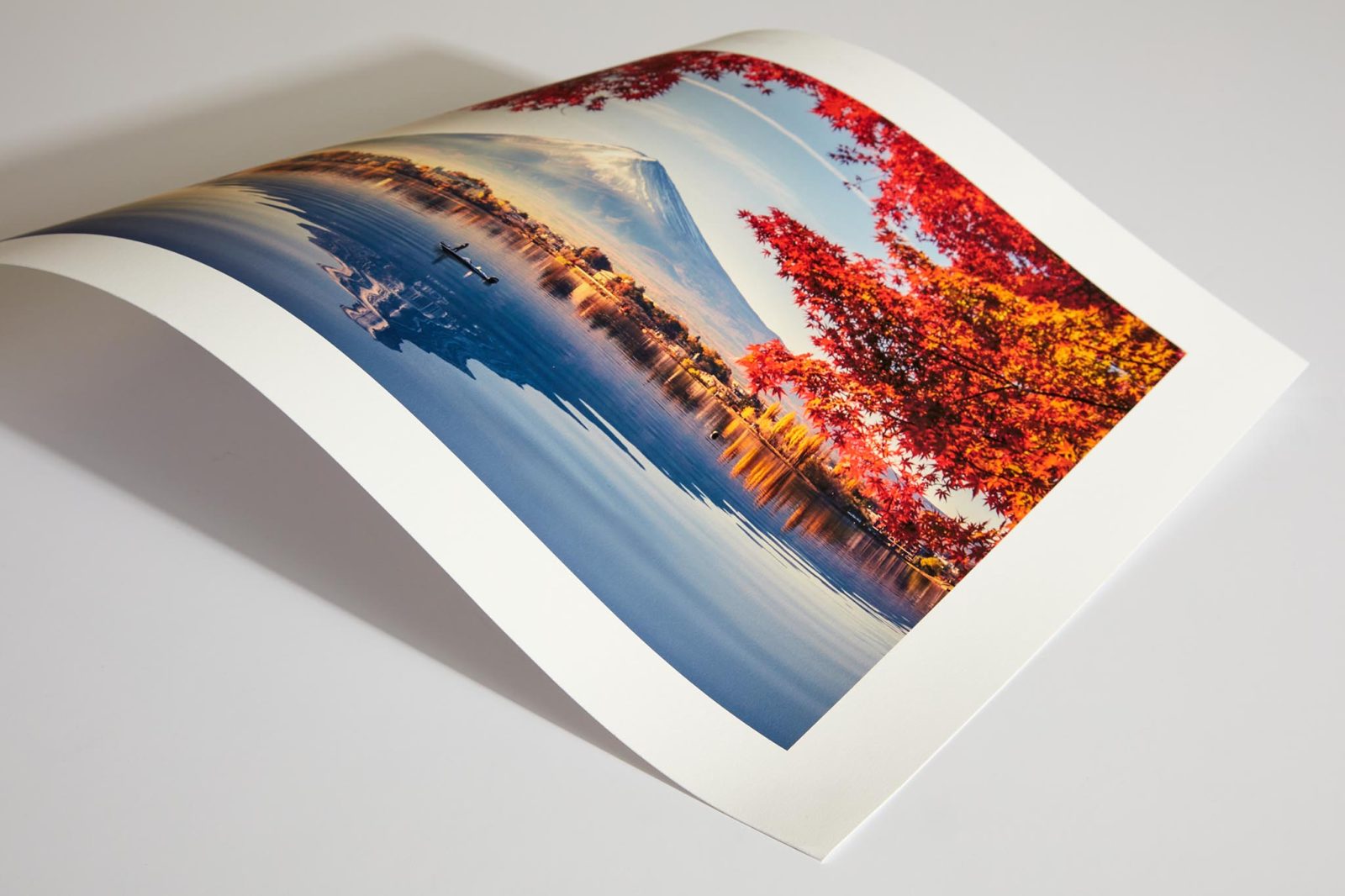
📷 Photo by podbase.com
Another risk is improper handling. Even the best Giclee print can be damaged by skin oils. Always wear cotton gloves when handling unframed archival prints to prevent acid transfer from your hands. Additionally, avoid hanging these prints in direct sunlight or high-humidity areas like bathrooms, as environmental factors can accelerate the degradation of the paper coating.
Frequently Asked Questions
Q: How long will a Giclee print actually last?
A: When kept behind UV-protective glass and stored in a climate-controlled environment, high-quality Giclee prints are rated to last between 80 and 200 years without significant fading.
Q: Can I print Giclee on canvas?
A: Yes, Giclee printing is frequently done on archival-grade poly-cotton blend canvases, which are then stretched over wooden frames and often finished with a protective varnish spray to add UV and scratch resistance.
Q: Why does the print look different from my monitor?
A: Monitors are backlit and capable of displaying a wider range of colors than ink on paper. Furthermore, if your monitor is not calibrated to the same brightness and color profile as your printer, the output will inevitably look darker or flatter than your screen display.
Conclusion
Investing in Giclee printing is the best way to ensure that digital art or physical masterpieces are preserved for future generations. By prioritizing archival pigment inks and acid-free substrates, artists can bridge the gap between temporary digital files and permanent fine art assets. Understanding these technical standards allows for greater control over the final product, ensuring that the visual impact remains as vibrant as the day it was printed.
📷 Photo by 3at1outeniqua.co.za