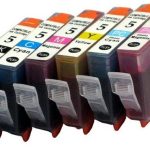




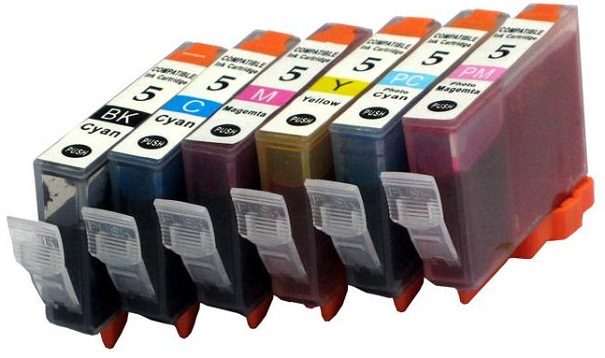
Innerspark.us – Archival pigment inks utilize solid color particles that sit on the surface of the paper, offering superior UV resistance and longevity, whereas dye inks are liquid-based colorants that absorb into fibers, resulting in vibrant colors but significantly higher susceptibility to fading over time.
Understanding the Core Chemistry
The fundamental difference between these two ink types lies in their chemical composition. Dye inks consist of colorants fully dissolved in a liquid carrier, typically water. Because the dye molecules are small and soluble, they soak deep into the paper fibers. This process creates a smooth, vibrant, and highly saturated print that looks exceptional immediately after printing. However, because these molecules are exposed to the environment and are chemically unstable, they break down quickly when hit by ultraviolet light, ozone, or humidity.
In contrast, pigment inks consist of microscopic solid particles of color suspended in a liquid carrier. When printed, these particles do not soak into the paper as deeply as dyes. Instead, they sit on top of the surface, held in place by a binder. This physical barrier makes them much more resilient. Because the pigment particles are essentially tiny pieces of solid pigment, they are naturally more resistant to the degrading effects of sunlight and atmospheric gases.
Fade Resistance and Longevity
The primary reason professional photographers and fine art printers choose pigment inks is archival stability. When kept behind UV-protected glass, pigment prints can often last for over 100 years before showing noticeable color shifts. Dye inks, while having improved significantly with modern formulations, still tend to fade within 10 to 30 years under similar conditions. If a dye-based print is displayed in direct sunlight, the colors can shift or disappear in a matter of months.
Another factor in fade resistance is the paper substrate. Pigment inks require specific coatings on paper to ensure the ink particles adhere properly. If you use standard office paper with pigment ink, the image may appear dull or rub off easily. Dye inks are more forgiving and work well on a wider variety of low-cost, uncoated papers, making them the go-to for standard document printing rather than long-term preservation.
Comparison Table: Pigment vs. Dye Inks
| Feature | Pigment Ink | Dye Ink |
|---|---|---|
| Fade Resistance | Excellent (Decades) | Poor to Moderate (Years) |
| Color Vibrancy | Good (Matte/Satin) | Excellent (Glossy) |
| Water Resistance | High | Low |
| Cost | Higher | Lower |
| Primary Use | Fine Art, Archival Prints | Photos, Documents, Graphics |
Common Risks and Practical Considerations
One of the most significant risks when choosing an ink type is the environment where the print will reside. If you are creating prints for a portfolio or a gallery, pigment is non-negotiable. However, if you are printing flyers for a local event or internal business reports, the cost of pigment ink is often unnecessary. Another risk with pigment inks is the potential for print head clogging if the printer is left unused for long periods. Because the ink contains solid particles, they can settle and dry within the nozzles, requiring regular maintenance cycles.
Dye inks, while prone to fading, are much easier on the printer’s mechanical components. They rarely clog, making them ideal for printers that might sit idle for weeks at a time. Users should also be aware of the “metamerism” effect, which is common in some pigment ink sets. This happens when the color of the print appears to change under different lighting conditions, such as shifting from daylight to indoor incandescent bulbs.
How to Maximize Print Longevity
Read also: 10-Bit Color Depth vs 8-Bit: Monitor Guide for Digital Artists
Regardless of the ink you choose, how you handle and display your prints significantly dictates their lifespan. Follow these steps to ensure your work lasts as long as possible:
- Select archival-grade, acid-free paper to prevent the paper itself from yellowing or degrading the ink over time.
- Use UV-filtering glass or acrylic when framing your prints to block harmful light rays that accelerate fading.
- Keep prints away from direct sunlight and areas with high humidity, such as bathrooms or kitchens, which can compromise both the ink and the paper coating.
- Allow the print to gas out for at least 24 hours in a well-ventilated area before framing it behind glass to prevent moisture buildup.
- Store loose prints in archival-safe sleeves or boxes to protect them from airborne pollutants and ozone.
Common Mistakes to Avoid
A frequent error is mixing ink types. Never attempt to put pigment ink into a printer designed for dye ink, or vice-versa. The internal components, such as the print head nozzles and ink delivery channels, are precision-engineered for the viscosity and particle size of a specific ink formulation. Doing this will almost certainly ruin the print head. Additionally, another mistake is assuming that “waterproof” means “sun-proof.” While some dye inks are marketed as waterproof, this refers only to their ability to resist smearing when wet, not their ability to resist UV-induced fading.
Frequently Asked Questions
Q: Can I use pigment ink on standard copy paper?
A: While technically possible, it is not recommended. Pigment inks are designed to sit on top of specific coatings found on photo and fine art papers; using them on standard paper often results in poor image quality and ink that easily rubs off.
Q: Why do my dye-based photos look more vibrant than my pigment prints?
A: Dye inks have a wider color gamut and can produce deeper, more saturated colors because the dyes penetrate the paper surface. Pigment inks often have a slightly more muted appearance, particularly on matte papers, as the particles scatter light differently.
Q: Does the printer model dictate the ink type?
A: Yes, almost exclusively. Most consumer-grade inkjet printers are built for dye inks, while professional-grade photo printers are specifically built to handle the larger particle sizes of pigment inks.
📷 Photo by blog.atlanticinkjet.com