




Innerspark.us – A CRI rating of 95+ in a studio lighting kit is essential because it guarantees accurate color reproduction, preventing skin tones from looking muddy and ensuring that product colors remain consistent with their real-world appearance.

📷 Photo by amazon.com
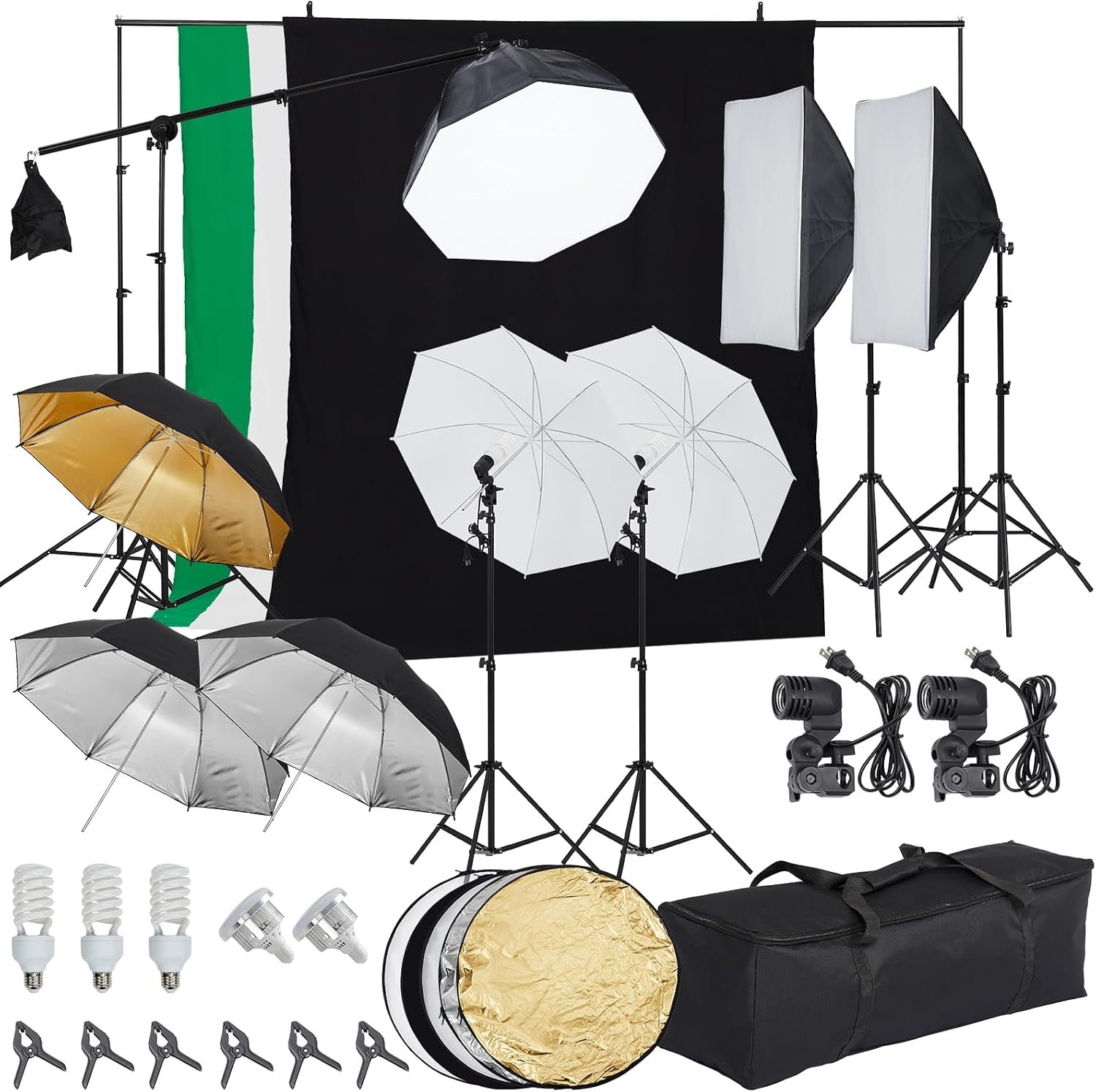
📷 Photo by amazon.com
Understanding the Color Rendering Index (CRI)
The Color Rendering Index is a quantitative measure of a light source’s ability to reveal the colors of various objects faithfully in comparison with an ideal or natural light source. Measured on a scale from 0 to 100, a higher score indicates that the light is capable of rendering colors more accurately. When you are working in a studio environment, light is the primary tool for shaping your subject and defining its visual identity. If your light source has a low CRI, it essentially “steals” color data from your subject, which is often impossible to fully recover during the post-production color grading process.
Many budget lighting kits on the market claim to be “daylight balanced” but fail to mention their CRI rating. This is a red flag for any professional. A light with a CRI below 80 often introduces a green or magenta cast that is difficult to correct, leading to expensive and time-consuming edits. By choosing a kit with a 95+ CRI, you are essentially investing in the integrity of your visual data from the moment you hit the record button.
Why 95+ Is the Industry Standard
For professional cinematography and photography, 95+ has become the baseline requirement. This is because modern digital sensors are incredibly sensitive to spectral inconsistencies. When you use lights with high CRI, you ensure that the entire spectrum of visible light is being emitted evenly. Lower-quality LEDs often rely on a narrow spike in the blue spectrum to create white light, which results in significant gaps in the red and orange spectrums. These gaps are exactly what cause skin tones to look gray, sickly, or unnatural.
Comparing Lighting Quality Standards
| CRI Rating | Color Accuracy Level | Best Use Case |
|---|---|---|
| Below 80 | Poor | General utilitarian lighting, non-critical tasks. |
| 80 – 90 | Acceptable | Casual vlogging, basic social media content. |
| 90 – 94 | Good | Commercial photography, high-end YouTube videos. |
| 95+ | Professional/Excellent | Cinematic production, medical imaging, fashion. |
The Practical Impact on Your Workflow
Using high-CRI lights changes the entire dynamic of your post-production workflow. When your raw footage is captured with high color fidelity, your white balance settings become reliable, and your skin tones remain consistent across different camera angles. If you are shooting interviews, the difference between a 90 CRI light and a 97 CRI light is immediately noticeable when you place two cameras side-by-side. The light with the higher rating will produce richer, more vibrant shadows and highlights that feel organic rather than digital or sterile.
How to Verify and Test Your Lighting Kit
Before committing to a lighting kit, it is important to perform a few simple tests to verify the manufacturer’s claims. Not all lights are created equal, and sometimes the label on the box does not match the actual spectral output.
Read also: Portfolio Grid Layout vs Horizontal Scroll: Best User Experience
- Perform a Macbeth ColorChecker test in your studio environment to see how the light renders specific patches of color.
- Check the TLCI (Television Lighting Consistency Index) as well, as this is often more important for video production than CRI alone.
- Observe the “flicker” rate of the lights at high frame rates to ensure that the power supply is stable and high-quality.
- Compare the skin tone rendering of your subject under the artificial light versus natural morning sunlight.
- Review your raw footage on a calibrated monitor to check for any unexpected color shifts in the shadows.
Common Mistakes When Choosing Studio Lights
One of the most common mistakes beginners make is prioritizing raw brightness or “lumens” over color quality. A light can be incredibly bright but still produce poor results if the spectral distribution is imbalanced. Another mistake is mixing light brands with different CRI ratings in the same setup. Even if two lights are both rated 95+ CRI, slight variations in their manufacturing can lead to mixed lighting color temperatures, which can be a nightmare to color grade. Always try to keep your key, fill, and hair lights within the same product line to maintain consistency.
The Risks of Neglecting Color Accuracy
Ignoring CRI ratings puts your professional reputation at risk. In commercial photography, accuracy is everything. If you are photographing a product for a brand, the client expects the color of the product in the photo to match the physical item. If your light source has a low CRI, the red of a product might look orange or washed out. This leads to client dissatisfaction, potential re-shoots, and a loss of credibility. Furthermore, in portraiture, high-CRI lights reduce the amount of time you spend “fixing” skin tones in Photoshop, which allows you to focus on creative retouching rather than corrective color work.
Frequently Asked Questions
Q: Can I fix low CRI lighting in post-production?
A: You can apply minor color corrections, but you cannot “add back” colors that were never captured. Because low-CRI lights have spectral gaps, the sensor simply doesn’t record the missing color data, making perfect correction impossible.
Q: Is CRI the only metric I should look at?
A: No. While CRI is a great baseline, you should also look at TLCI (Television Lighting Consistency Index) and R9 values. The R9 value specifically measures how well a light renders deep reds, which is critical for natural skin tones.
Q: Do I need 95+ CRI lights for hobbyist vlogging?
A: While not strictly mandatory for casual content, using 95+ CRI lights will give your videos a “cinematic” look that separates your production quality from generic web content, making your brand look more professional from day one.
Final Thoughts on Investment
When you purchase a studio lighting kit, you are buying a long-term asset. Unlike cameras, which tend to be replaced every few years as technology evolves, high-quality lighting fixtures can last for a decade or more. Investing in 95+ CRI lights is a future-proof decision. It ensures that regardless of how your camera technology improves, your lighting foundation remains solid, professional, and capable of producing beautiful, color-accurate images every time you flip the switch.
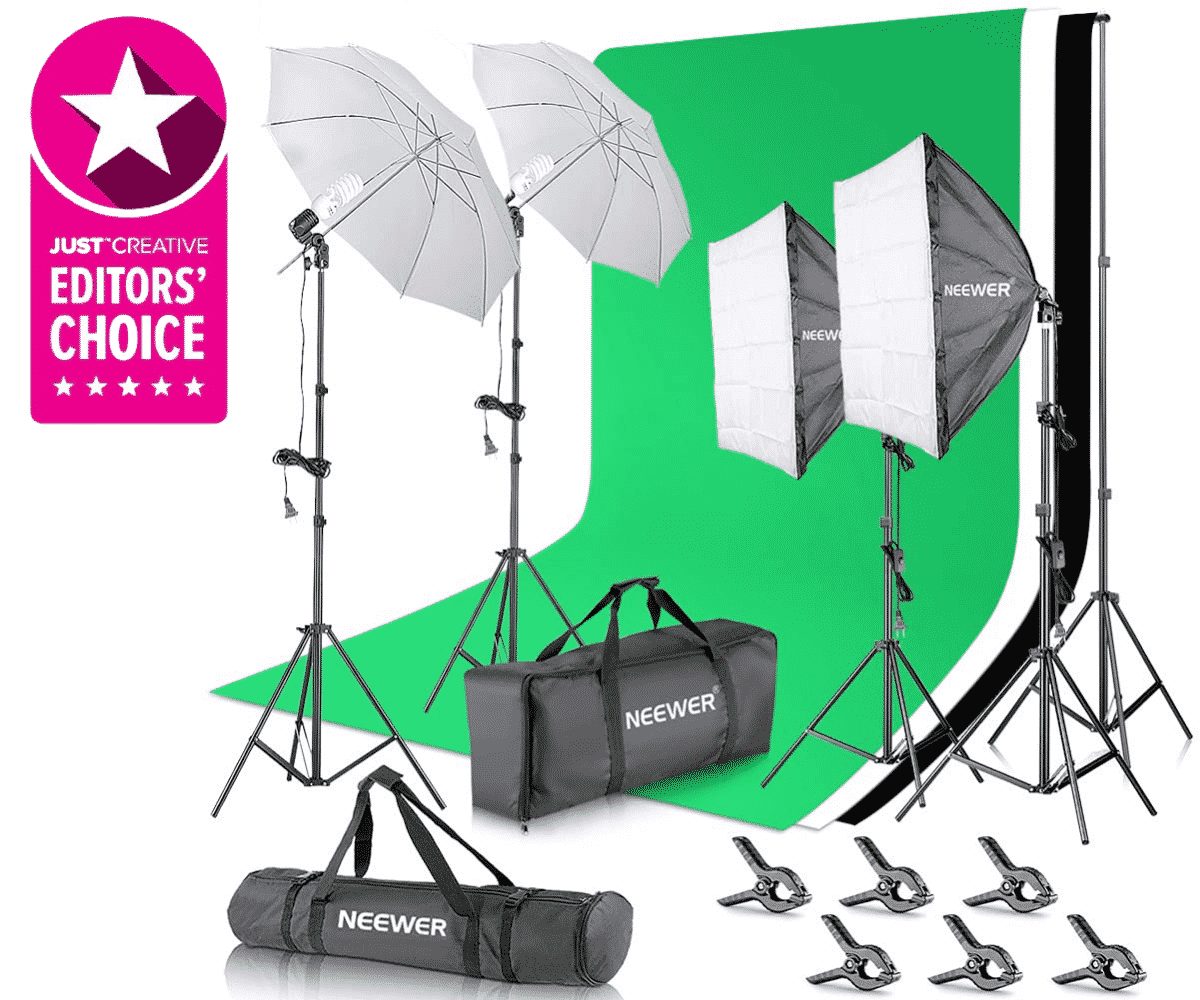
📷 Photo by justcreative.com