




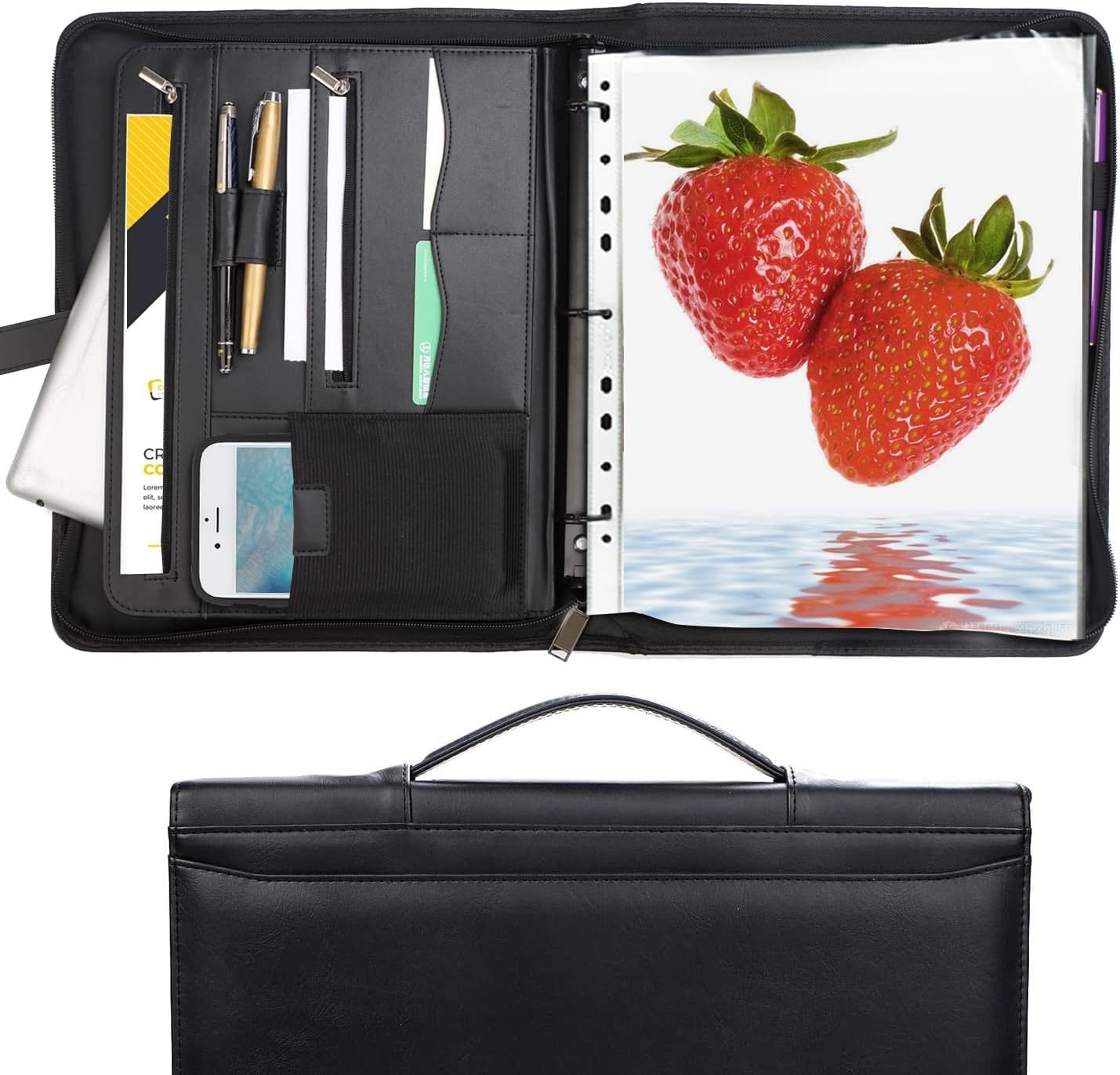
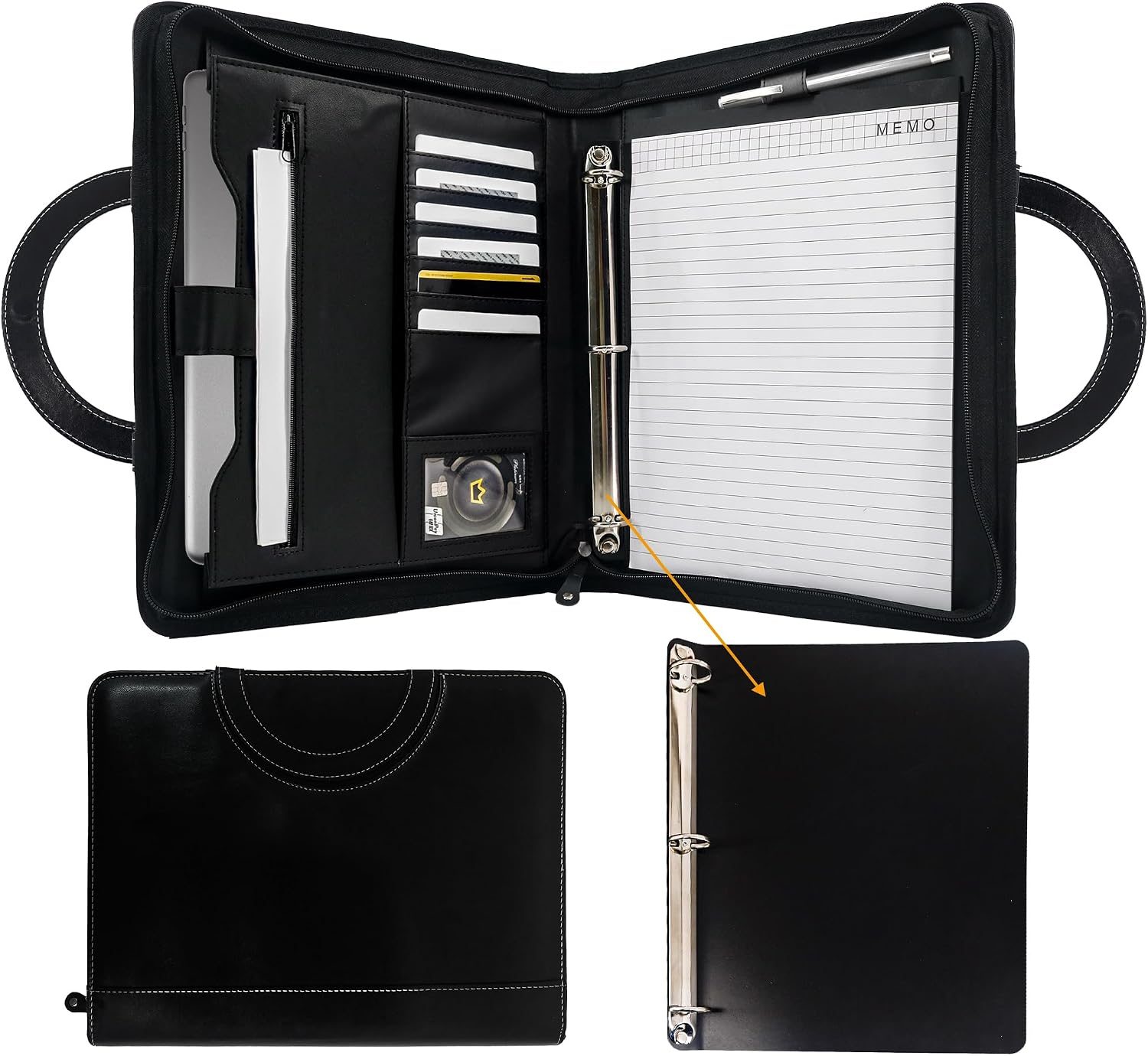
Innerspark.us – A zippered artist portfolio binder organizes interchangeable pages by utilizing a ring-bound mechanism that allows you to swap, reorder, and protect professional-grade sleeves without damaging your original artwork.
For professional artists, illustrators, and students, the portfolio is more than a storage unit; it is a curated narrative of creative growth. A zippered binder provides the essential security needed to transport delicate works safely while ensuring that the internal layout remains dynamic. Unlike fixed-page books, an interchangeable system allows you to adapt your presentation for specific clients, galleries, or job interviews on the fly.
Understanding the Modular Portfolio System
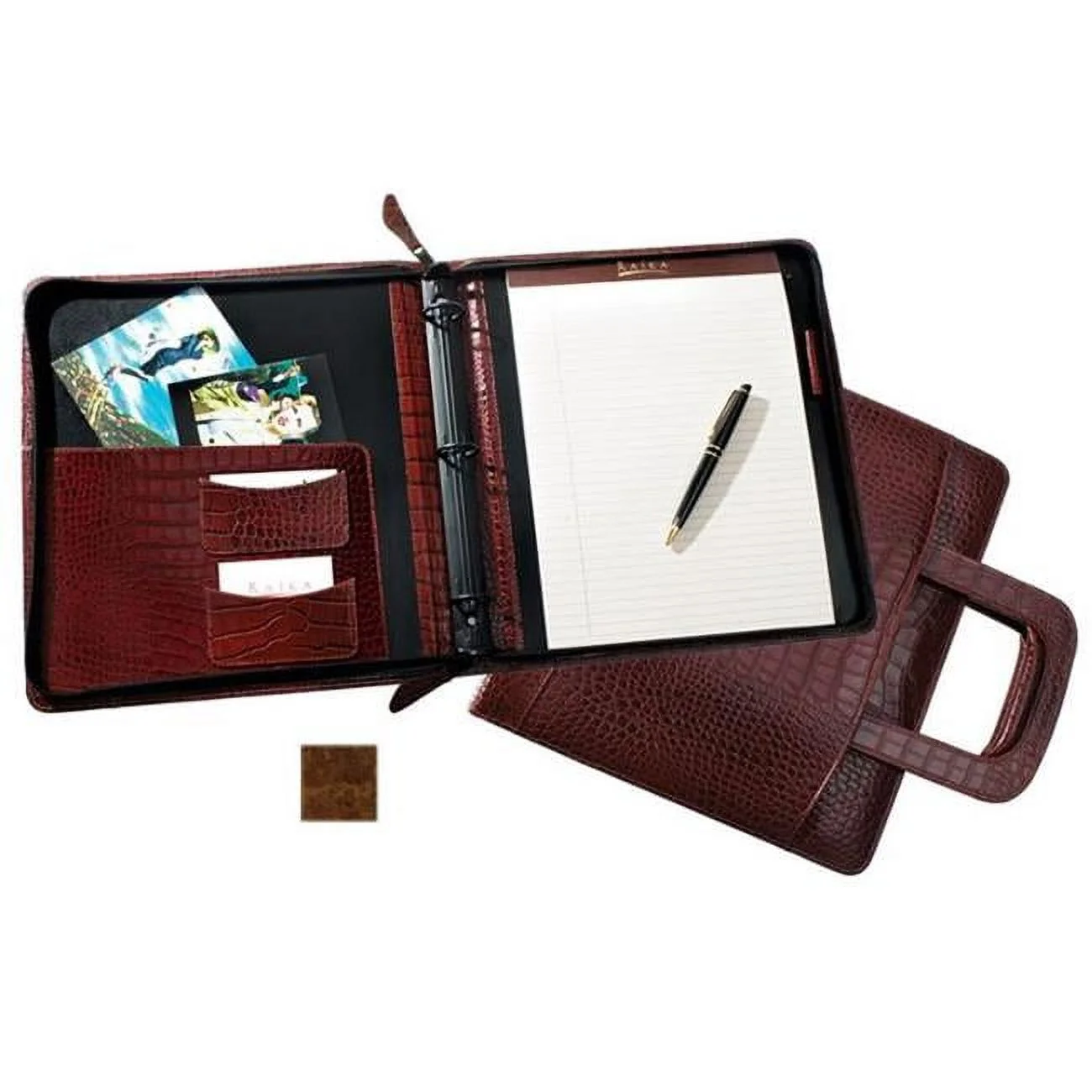
The core of an effective portfolio is its flexibility. Most high-quality zippered binders use a multi-ring mechanism, typically three or four rings, which are compatible with standard archival-safe sheet protectors. By choosing a zippered model, you effectively seal your work against humidity, dust, and accidental spills, which are the primary enemies of paper-based art.
The key to mastering these binders is understanding the weight and finish of your insert pages. Archival-quality polypropylene sleeves are the industry standard. They are acid-free, preventing the chemical degradation of your drawings, watercolors, or photographs over time. When you use interchangeable pages, you can group your work by medium, chronology, or project type, allowing for a personalized flow that fixed-bound books simply cannot match.
Strategic Organization of Your Portfolio
Before you begin inserting pages, you must establish a logical order. A chaotic portfolio distracts the viewer and undermines your professional image. Start by selecting your strongest pieces; the first and last images in your binder should be your most impressive work, as these are the ones the viewer will remember most vividly.
Avoid overstuffing your binder. While the zippered closure might allow you to force the binder shut even when it is bursting at the seams, doing so creates pressure marks on your artwork. Aim for a balance where the pages turn smoothly without friction. If your portfolio becomes too heavy, it is a sign that you need to curate more aggressively rather than adding more pages.
Comparison of Portfolio Page Materials
| Material Type | Best For | Key Benefit |
|---|---|---|
| Polypropylene (Standard) | General Sketches, Prints | Acid-free and cost-effective |
| Heavyweight Polyester | Oil Paintings, Mixed Media | Rigid, resists wrinkling |
| Non-Glare Matte Sleeves | Photography, Glossy Prints | Reduces light reflection |
| Black Mounting Boards | Physical Artworks | Provides a professional backdrop |
Step-by-Step Guide to Organizing Your Binder
Follow these steps to ensure your portfolio remains professional and easy to navigate:
- Select a theme or narrative for your portfolio, such as a chronological timeline of your projects or a collection focused on a specific artistic medium.
- Sort your artwork into stacks based on quality; eliminate any pieces that are redundant or do not represent your current skill level.
- Place your artwork into the archival sleeves, ensuring the paper is centered and flat, using acid-free tape on the back if necessary to prevent shifting.
- Insert the pages into the ring mechanism in your preferred order, testing the flow by flipping through them quickly to ensure the transition between pages feels natural.
- Add a title page or a professional CV sheet at the very front of the binder to provide immediate context for the viewer.
- Zip the binder completely and store it in a cool, dry place when not in use to maintain the integrity of the internal pages.
Common Mistakes to Avoid
One of the most frequent errors artists make is mixing too many disparate styles in a single portfolio without a clear connection. If you are applying for a graphic design role, avoid padding your portfolio with unrelated charcoal sketches from a life-drawing class. Keep the content relevant to the specific audience you are addressing.
Another common issue is neglecting the edges of your artwork. When inserting pages, ensure that the paper is not caught in the binder rings. If a page gets pinched by the mechanism, it can cause small tears or permanent crinkles that distract from the art itself. Always take a moment to double-check that every page lies flat against the binder spine before closing the zipper.
Maintaining Your Portfolio Long-Term
Environmental factors are a major threat to your stored artwork. Even within a zippered binder, moisture can accumulate if the portfolio is left in a humid environment. Periodically open your binder in a clean, dry room to allow for air circulation. If you notice any warping of the plastic sheets, it is time to replace them, as aging plastic can sometimes become brittle and emit gases that damage delicate media like pastels or charcoal.
Additionally, always keep a digital backup of your portfolio. While a physical binder is essential for face-to-face meetings, having a digital version ensures that you are never caught without your work. Use the same organizational structure for your digital files as you do for your physical pages to keep your professional brand consistent across all platforms.
Frequently Asked Questions
Q: How often should I swap out the pages in my portfolio?
A: You should review your portfolio at least every three to six months. As your skills improve, replace older, less representative work with your latest, most polished projects to keep the portfolio current.
Q: Can I use standard office-supply sheet protectors for fine art?
📷 Photo by walmart.com
A: It is strongly discouraged. Standard office protectors often contain PVC or acidic materials that will cause your artwork to yellow, become brittle, or even stick to the plastic over time; always choose products labeled as archival-safe or acid-free.
Q: Is a zippered portfolio better than a non-zippered one?
A: Yes, if you travel frequently. The zipper provides a seal against dust, moisture, and debris that can easily slip into an open-sided binder, making it the superior choice for professional portability.
📷 Photo by amazon.com
By treating your portfolio as a living document that grows with your career, you ensure that your work is always presented in the best possible light. A well-organized, zippered binder protects your legacy and provides a tactile experience that digital portfolios simply cannot replicate.
Read also: Drop-Shadow and Studio Lighting Positioning for Sculpture Artwork
📷 Photo by amazon.com