





Innerspark.us – Structuring client testimonials on a visual portfolio requires placing them strategically alongside relevant project imagery to provide social proof that validates your specific design capabilities and professional reliability.
The Strategic Placement of Social Proof
Designers often treat testimonials as an afterthought, tucking them away on a dedicated page that users rarely visit. To maximize their impact, testimonials must be integrated directly into the project case studies they describe. When a potential client views a visual piece of your work, seeing a quote from the person who commissioned that exact project creates an immediate psychological bridge between your aesthetic output and your client satisfaction levels.
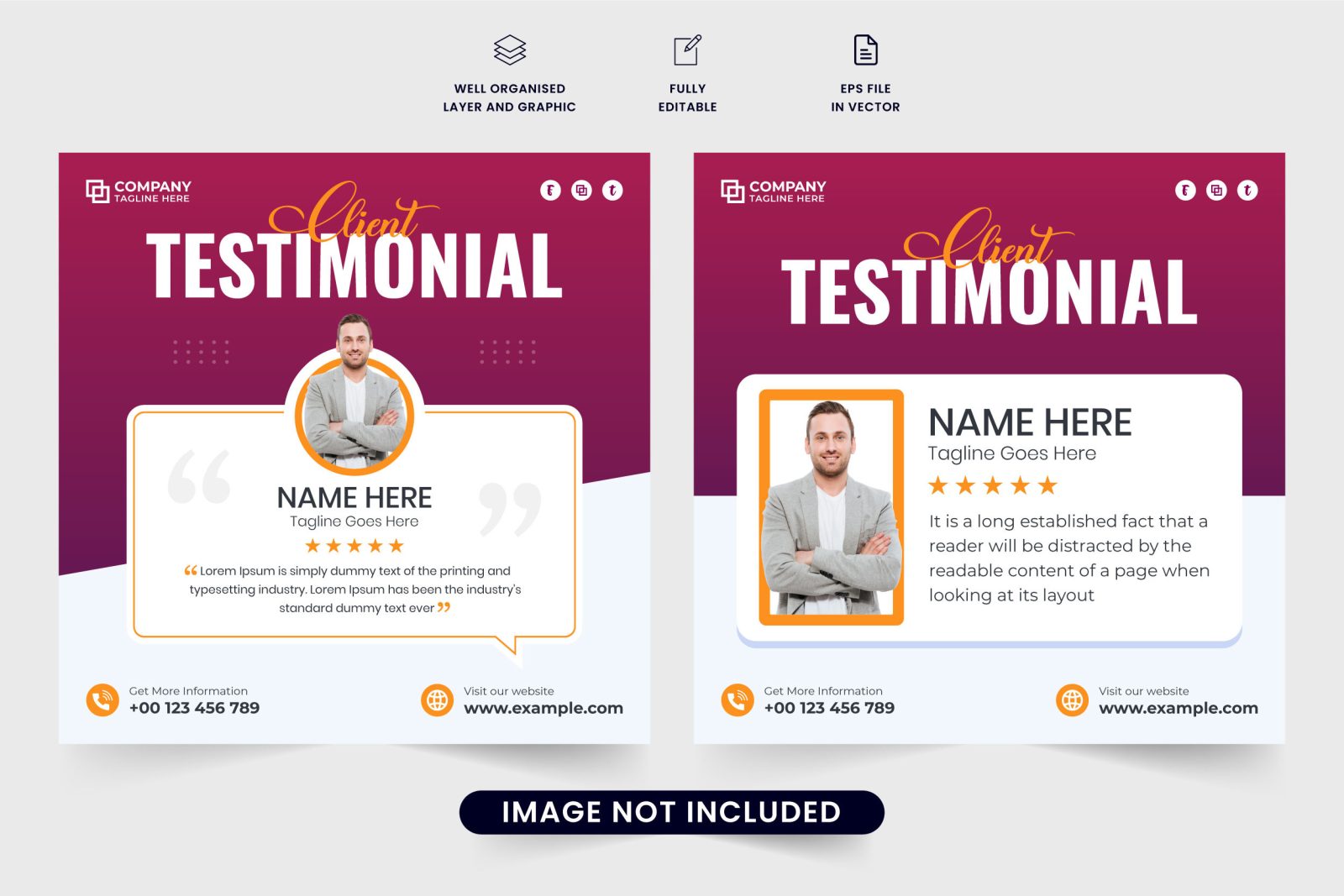
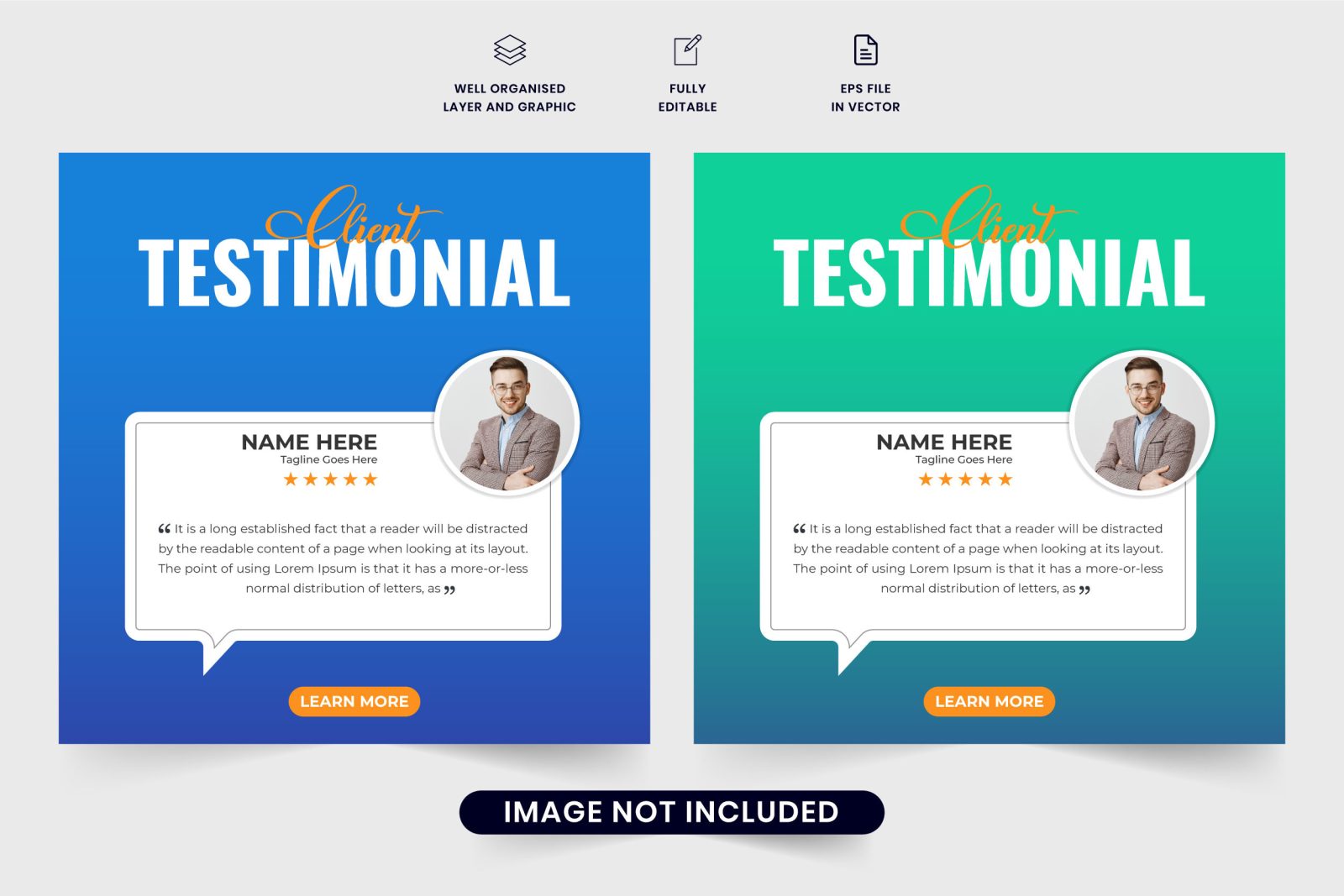
Visual portfolios are inherently skimmable. If you isolate text, it becomes “noise” that disrupts the flow of your gallery. Instead, treat typography as a design element. Use pull quotes, varying font weights, or subtle background overlays to ensure the testimonial feels like part of the visual composition rather than a block of filler text.
Selecting the Right Testimonials
Not every piece of feedback is worth displaying. A generic “they did a great job” provides zero information gain for a prospective lead. You want testimonials that address the specific pain points your target audience might have, such as communication style, meeting tight deadlines, or the ability to grasp complex brand identities.
Prioritize feedback that mentions your process. If a client notes how you navigated a difficult revision phase or how you helped them clarify their vision, you are not just showing off your art; you are showing off your professional maturity. Use the following guide to audit your current collection of client feedback.
| Testimonial Attribute | Why It Matters | Ideal Action |
|---|---|---|
| Specific Project Context | Proves you actually completed the work shown. | Place directly below the relevant project imagery. |
| Quantifiable Results | Builds trust through objective success metrics. | Highlight in bold or use as a primary pull quote. |
| Client Job Title | Establishes authority and social status. | Include with full name and company for credibility. |
Step-by-Step Integration Guide
To effectively weave testimonials into your visual portfolio, follow this structured approach to ensure maximum engagement without overwhelming the viewer:
- Curate a bank of feedback that specifically highlights your problem-solving skills rather than just your technical ability.
- Map each testimonial to the corresponding project case study in your portfolio dashboard.
- Design a unique layout block for these quotes that uses a different font style or background color to distinguish them from your standard body copy.
- Ensure the testimonial is placed within the first two scrolls of the project page, as most users will not scroll to the very bottom of a long case study.
- Verify that the client name, company, and, if possible, a headshot or brand logo are included to satisfy the viewer’s need for authenticity.
Common Mistakes to Avoid
Read also: Archival Glassine Paper: How to Interleave Prints to Prevent Scratches

📷 Photo by template.net
A frequent error is over-editing testimonials. While it is acceptable to fix minor typos or shorten a long-winded paragraph, changing the tone or the specific words used can strip the quote of its authenticity. If a testimonial sounds too polished or robotic, it loses its “human” quality, and users will immediately suspect it is fabricated.
Another mistake is using generic sliders or carousels. While they save space, they often hide your best social proof behind an interaction that many users will never perform. If a testimonial is important enough to include, it is important enough to be visible without requiring a click or a swipe. Let the text breathe within the page layout.
The Role of Contextual Authority
📷 Photo by creativefabrica.com
Testimonials are not just about praise; they are about reducing risk. When a client hires a visual professional, they are often worried about miscommunication or missed deadlines. If your testimonial specifically mentions, “I appreciated how they kept me updated at every stage of the brand design process,” you have just neutralized a major objection before the client even reached out to you.
Always aim for a mix of testimonials that cover different aspects of your business. Include one that focuses on your speed, one that highlights your creative innovation, and one that emphasizes your reliability. This variety ensures that no matter what the potential client’s primary concern is, they will find a testimonial that sets their mind at ease.
Frequently Asked Questions
Q: Should I use a dedicated testimonials page in addition to project-based quotes?
A: Yes, a dedicated page serves as an archive for potential clients who want to dive deeper, but it should never be the only place where your testimonials live. Use the dedicated page for the full collection and project pages for specific, relevant endorsements.
Q: Is it okay to ask clients for a testimonial if they have not offered one?
A: Absolutely. Most clients are happy to provide one but simply do not know what to say. Make it easier for them by asking specific questions like, “What was the most helpful part of our design process?” or “How did this project impact your business goals?”

📷 Photo by es.postermywall.com
Q: How many testimonials should I include per project?
A: One strong, well-placed testimonial is far better than three mediocre ones. Keep it focused and ensure it complements the visuals, rather than competing with them for the viewer’s attention.
Ultimately, your portfolio is a tool for conversion. By treating your testimonials as essential data points that validate your design process, you shift your portfolio from a static gallery into a persuasive sales asset. Keep the language human, keep the placement intentional, and let your past successes do the heavy lifting for your future business growth.
📷 Photo by creativefabrica.com