



Innerspark.us – Archival art paper with a weight of 300 GSM is the industry standard because it provides the ideal balance between structural rigidity, professional print quality, and long-term durability for fine art reproductions. This specific weight ensures that prints do not warp, buckle, or tear during handling or framing, while maintaining a substantial, tactile feel that signals high-end quality to collectors.
Understanding the GSM Measurement
GSM stands for Grams per Square Meter. It is the international metric used to measure the density and thickness of paper. While thickness and weight are often correlated, it is important to note that GSM specifically measures mass rather than physical caliper. A 300 GSM sheet is essentially a heavy-duty cardstock that feels significant in the hand, separating professional gallery-grade prints from standard consumer-grade posters which often hover between 100 and 180 GSM.
Why 300 GSM Remains the Gold Standard
The primary reason for the dominance of 300 GSM in the art world is its structural integrity. When professional inkjet printers—especially those using pigment-based inks—apply heavy ink loads to paper, the paper absorbs moisture. Lighter papers often buckle or “cockle” under this stress. 300 GSM paper is thick enough to withstand significant ink saturation without losing its flatness, which is vital for artists who produce high-contrast, deep-black, or heavily textured digital art.
Furthermore, 300 GSM is considered the “sweet spot” for compatibility. It is thick enough to feel premium, but not so thick that it causes paper jams in standard high-end professional printers. Most professional-grade fine art printers are calibrated to handle media up to 350 GSM or 400 GSM, but 300 GSM offers the best reliability for consistent, high-volume production without risking damage to the printer’s rollers or paper path.
Comparison of Paper Weights for Art
| Paper Weight (GSM) | Typical Use Case | Durability |
|---|---|---|
| 120 – 160 GSM | Sketches, standard posters | Low, prone to tearing |
| 200 – 250 GSM | Flyers, brochures, light art prints | Moderate, can curl |
| 300 – 310 GSM | Fine art, photography, exhibition prints | High, archival quality |
| 400+ GSM | Business cards, premium postcards | Very high, rigid board |
The Archival Factor
Weight is only one component of archival quality. For a print to be truly “archival,” it must be acid-free and lignin-free. However, the weight of the paper contributes to its longevity. Thicker paper is less likely to suffer from environmental degradation, such as folding, creasing, or tearing over decades of storage. When paired with high-quality cotton rag or alpha-cellulose fibers, 300 GSM paper creates a substrate that can last for over a century when stored in proper conditions.
Practical Guide: Handling and Preparing 300 GSM Prints
If you are an artist or collector, knowing how to handle these prints is as important as choosing the paper itself. Follow these steps to ensure your 300 GSM prints remain in pristine condition:
- Wash and thoroughly dry your hands before handling the paper to avoid transferring natural oils or skin moisture to the print surface.
- Always hold the paper by the edges, preferably using both hands to support the weight of the sheet, as even 300 GSM paper can develop permanent creases if bent sharply.
- If the paper arrives rolled, do not force it flat immediately. Lay it print-side up on a clean, flat surface and place clean weights on the corners for 24 hours to allow it to relax naturally.
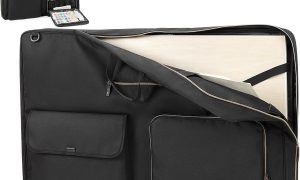
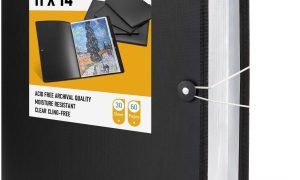
- Store prints in an acid-free archival sleeve or portfolio, and keep them away from direct sunlight or high-humidity environments to prevent ink fading and paper yellowing.
Common Mistakes to Avoid
One of the most frequent errors artists make is attempting to print high-resolution images on 300 GSM paper using an office-grade laser printer. Laser printers use heat to fuse toner to the surface, which can scorch the delicate coating on fine art paper. Furthermore, fine art papers are designed for liquid pigment inks, which bond with the fibers. Always verify that your printer is compatible with heavy media and uses pigment-based inks to ensure the longevity of your work.
Another common mistake is neglecting the surface finish. 300 GSM paper comes in various textures, such as Cold Press (textured) or Hot Press (smooth). Using a textured paper for an image with extremely fine, sharp details can result in a loss of definition, whereas using a smooth paper for a watercolor reproduction might make the print look “flat” or synthetic. Match your paper texture to the medium you are replicating.
Frequently Asked Questions
Q: Is 300 GSM paper too thick for a standard home printer?
A: Many standard home printers struggle with 300 GSM paper because the paper path is too tight. Always check your printer’s manual for the maximum supported weight, which is usually listed in the technical specifications under “Media Handling.”
Q: Does 300 GSM mean the paper is definitely archival?
A: No, weight does not guarantee archival status. Always look for certifications like “acid-free” or “OBA-free” (Optical Brightening Agents) on the packaging, as these chemicals can cause the paper to yellow over time, regardless of its thickness.
Q: Can I use 300 GSM paper for framing without a mat?
A: Yes, the rigidity of 300 GSM paper makes it an excellent candidate for floating frames or modern minimalist framing. Because the paper is thick, it stays taut within the frame and resists the sagging that plagues thinner, lighter papers.
Final Thoughts on Selection
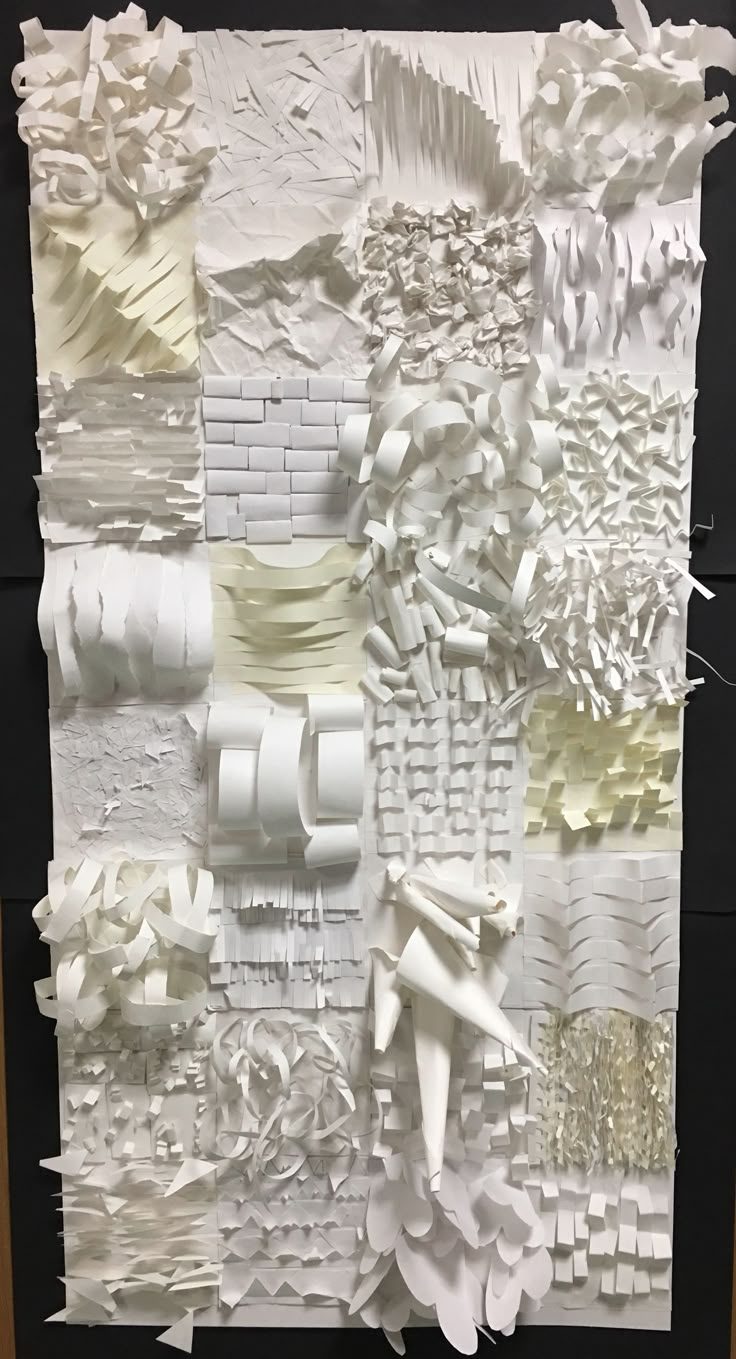
📷 Photo by pinterest.com
Choosing 300 GSM paper is a professional commitment to your art. It bridges the gap between a temporary print and a collectible piece of history. While you may find cheaper alternatives, the structural benefits and the professional finish provided by this weight are unmatched. By investing in the right substrate, you ensure that your work is presented exactly as intended, standing the test of time while maintaining its physical presence in any collection.
Read also: How to Handle Unpaid Art Test Requests from Potential Clients
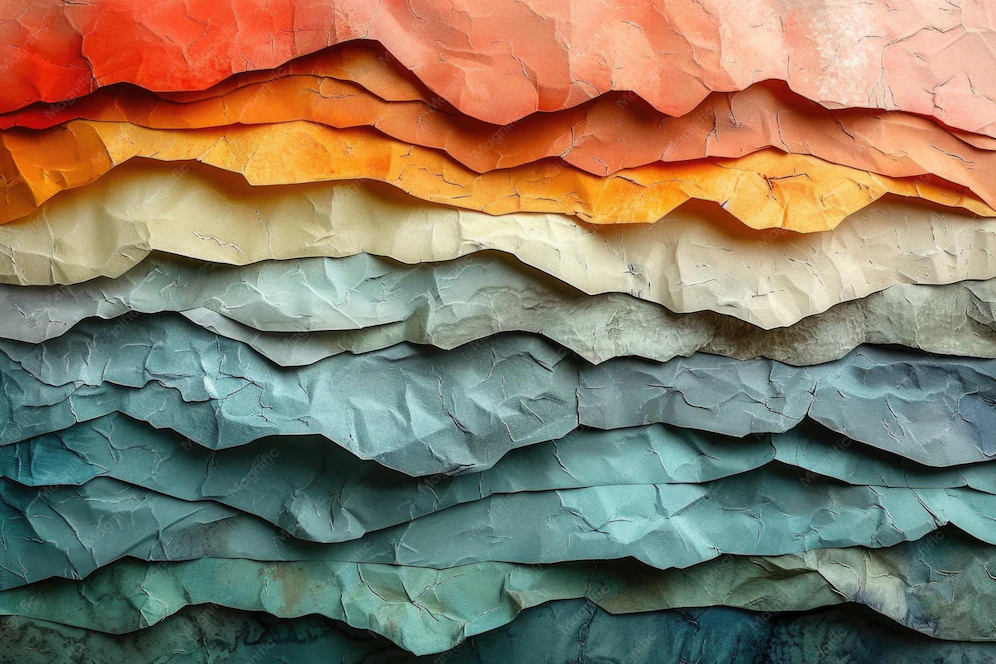
📷 Photo by freepik.com