



Innerspark.us – For high-quality art prints, a heavyweight archival paper typically ranges between 250 GSM and 310 GSM, offering the ideal balance of structural rigidity, texture retention, and professional gallery-grade longevity.
Selecting the right paper weight is one of the most critical decisions an artist or printmaker makes. When you transition from standard poster paper to professional-grade archival stock, the tactile experience changes the perceived value of the artwork. GSM, which stands for Grams per Square Meter, is the standard metric used to measure paper density. Unlike thickness (measured in microns or mils), GSM represents the actual weight of the material, which directly correlates to how the paper handles ink saturation and how it feels in the hand.
Understanding GSM and Paper Density
Many beginners mistakenly assume that higher GSM always equals better quality. While heavier paper feels more luxurious, the optimal weight depends on your specific printing process. A 300 GSM paper is standard for fine art giclee prints because it prevents “cockling” or warping when saturated with heavy pigment-based inks. If the paper is too thin, the moisture from the ink will cause the fibers to expand unevenly, leading to waves that ruin the flatness of the print.
Conversely, going too heavy—such as using cardstock exceeding 400 GSM—can cause issues with your printer’s paper path. Many desktop inkjet printers struggle to feed extremely thick, rigid sheets, resulting in paper jams or scratched surfaces. Archival quality is defined not just by weight, but by the absence of acid and lignin, which ensures the paper does not yellow or become brittle over time.
Comparison of Popular Archival Paper Weights
| Paper Weight (GSM) | Best Use Case | Characteristics |
|---|---|---|
| 190 – 230 GSM | Limited edition posters, mass-market prints | Flexible, lightweight, cost-effective |
| 250 – 280 GSM | Photography, high-detail digital art | Sturdy, good color accuracy, resists curling |
| 300 – 315 GSM | Professional fine art, gallery exhibition | Luxurious feel, deep ink absorption, archival |
| 350+ GSM | Specialty art, deckled edge prints | Rigid, tactile, requires specialized printers |
Common Mistakes When Choosing Art Paper
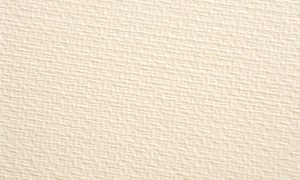
The most frequent error artists make is ignoring the paper finish in favor of weight. A heavy 300 GSM paper might come in a glossy finish, which is often unsuitable for traditional fine art prints that require a matte or textured surface to mimic original paintings. Glossy coatings can cause distracting glare under gallery lighting, whereas matte or velvet finishes diffuse light, allowing the viewer to appreciate the texture of the paper and the depth of the pigments.
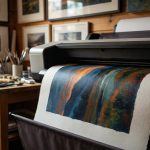
Another mistake is failing to account for the printer’s feed mechanism. Before investing in a bulk supply of expensive, heavy archival paper, always check your printer manual for the maximum media weight capacity. Using paper that is too thick can damage the rollers and print head, leading to costly repairs that far outweigh the benefits of a slightly heavier sheet.
Steps to Select the Perfect Paper for Your Project
Following a systematic approach to paper selection will ensure your prints consistently meet professional standards. Use the following steps to narrow down your options.
- Evaluate your artwork type: Determine if you are printing high-contrast photography (which often favors luster/satin finishes) or watercolor/charcoal reproductions (which require textured, matte, heavyweight cold-press paper).
- Check printer specifications: Consult your printer’s technical manual to find the maximum GSM it can handle. This prevents mechanical failures.
- Order sample packs: Never commit to a large order without testing. Most archival paper manufacturers offer sample packs that allow you to feel the weight and see how your specific ink set interacts with different textures.
- Test for archival properties: Ensure the paper is acid-free and OBA-free (Optical Brightening Agents). OBA-free paper is essential if you want your prints to resist fading and yellowing over several decades.
- Perform a scratch test: Once you have a print, run a fingernail lightly across a dark, saturated area. If the ink flakes or scratches easily, the paper coating is likely insufficient for your ink volume.
The Importance of Archival Standards
Beyond weight, the “archival” label is what truly separates a hobbyist print from a collectible piece of art. Archival papers are pH-neutral or buffered with calcium carbonate to neutralize atmospheric acids that would otherwise degrade the paper fibers. If you are selling prints as “limited editions,” your customers expect them to last for generations without degradation. Using a 300 GSM paper that is not archival is a disservice to the collector, as the paper will eventually turn yellow and become brittle, regardless of the high-quality ink used.
Texture also plays a role in how “heavy” the paper feels. A textured “cold press” paper will often feel thicker and more substantial than a “hot press” smooth paper, even if they have the exact same GSM rating. This tactile quality is a major selling point for collectors who want their prints to look and feel as close to an original painting as possible.
Read also: How to Create a Cohesive Color Palette Across Your Portfolio
Frequently Asked Questions
Q: Does higher GSM mean the print will last longer?
A: No. Longevity is determined by the chemical composition (acid-free, lignin-free) and the use of cotton or alpha-cellulose fibers, not by the weight of the paper alone.
Q: Can I use 300 GSM paper in a standard home printer?
A: It depends on your printer. Many modern desktop inkjet printers can handle up to 300 GSM, but you must use the rear-feed tray to avoid bending the thick paper through a tight roller path.
Q: Is there a difference between cotton and wood pulp paper?
A: Yes. Cotton rag paper is considered the gold standard for archival prints because it is naturally acid-free and highly durable, whereas wood-pulp-based paper requires more chemical processing to achieve archival status.
Choosing the right paper weight is an investment in your brand as an artist. By sticking to the 250–310 GSM range and prioritizing archival-certified materials, you provide a professional product that commands a higher price point and ensures your work remains vibrant for years to come. Take the time to sample different textures and weights, and your final prints will reflect the care and precision you put into your creative process.
📷 Photo by qaqooking.wiki