



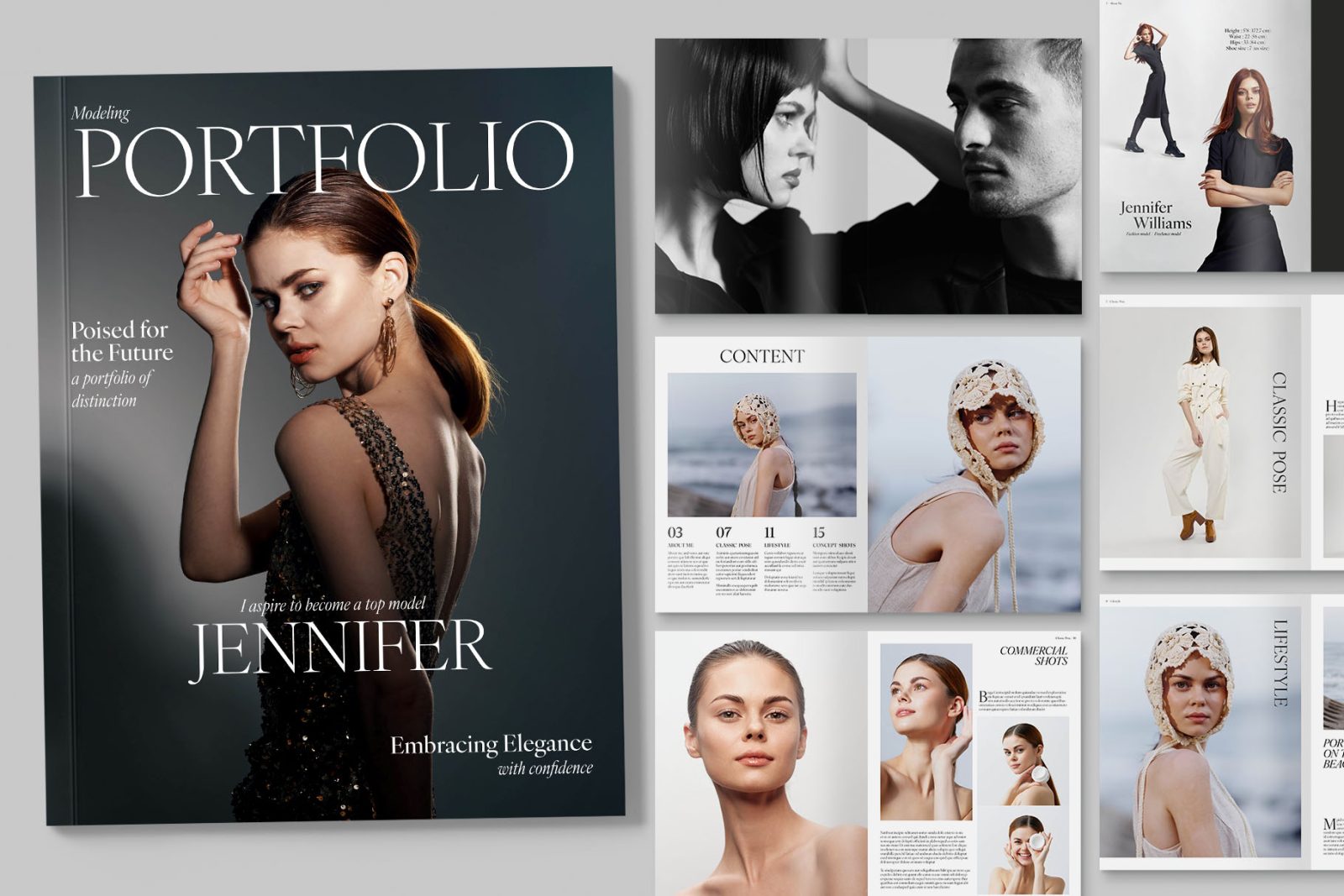
Innerspark.us – A successful editorial fashion photography portfolio requires a highly curated selection of 15 to 20 images that demonstrate consistent visual storytelling, technical mastery of lighting, and a distinct aesthetic point of view tailored to specific agency markets.
The transition from a hobbyist photographer to a professional editorial contributor hinges on the quality of your portfolio. Agencies are not looking for a scrapbook of your best individual shots; they are looking for a cohesive narrative that proves you can handle the pressures of a commercial set while maintaining an artistic signature. Your portfolio acts as your visual resume, and if it lacks focus, editors will struggle to visualize how you fit into their publication’s aesthetic.
The Importance of Visual Cohesion
Many emerging photographers make the mistake of including every genre they have ever shot, from weddings to street photography. This confuses the viewer. Editorial agencies need to know exactly what your “voice” is. If you want to shoot for high-fashion magazines, your portfolio must feature clean, high-production-value imagery that communicates luxury, texture, and movement. If your style is raw and documentary-driven, ensure every image reflects that specific mood.
Consistency is not just about the subject matter; it is about the color palette, the post-production style, and the lighting quality. If one image is heavily desaturated and moody while the next is bright and saturated with neon lighting, you lose the agency’s trust. They need to see a predictable, reliable aesthetic that they can pitch to their clients.
Strategic Selection Criteria
When selecting images, prioritize quality over quantity. An agency would rather see eight perfect images than twenty mediocre ones. Your images must demonstrate that you can direct models, work with a production team, and capture clothing in a way that is both flattering and editorial.
| Portfolio Element | Why It Matters | What to Include |
|---|---|---|
| The Hero Image | First impression | Your strongest, most technically perfect shot. |
| Editorial Story | Demonstrates narrative | 4-6 images from one cohesive shoot. |
| Beauty/Detail Shot | Shows technical skill | Close-up focusing on skin texture and makeup. |
| Full-Length Shot | Shows clothing/posing | Full body showing garment structure and movement. |
Steps to Building Your Portfolio
Curating your portfolio is an active process of refinement. Follow these steps to ensure your work is ready for agency review:
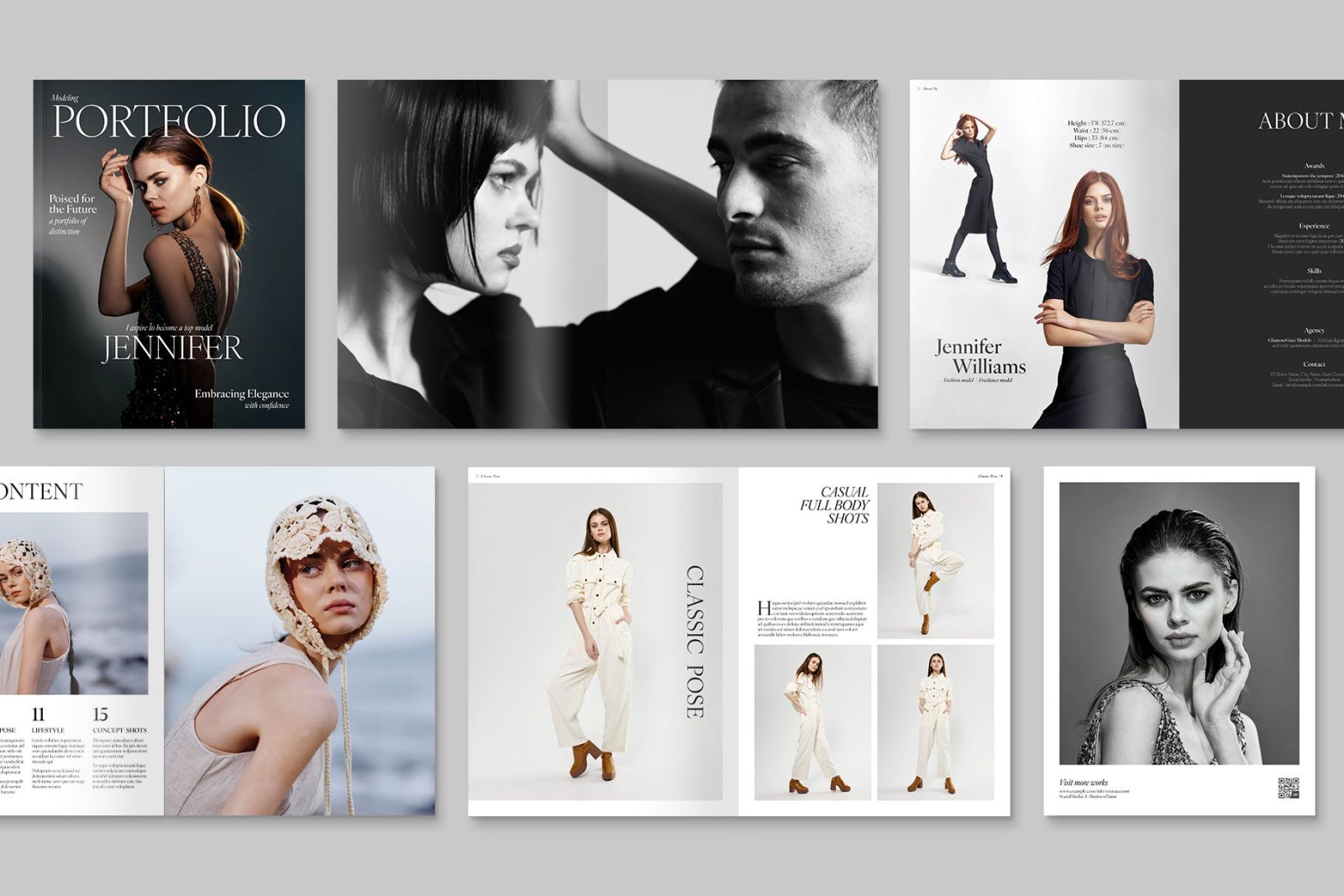
📷 Photo by brandpacks.com
Read also: Drawing Tablet Latency and Parallax: How to Fix Tracking Lag
- Audit your entire archive and categorize photos by style, lighting, and mood.
- Select your top 20 images that share a common visual thread or emotional tone.
- Sequence the images to create a flow, alternating between close-ups and wide shots to keep the viewer engaged.
- Remove any images that are technically flawed or inconsistent with your primary style, even if you personally love the composition.
- Seek feedback from a peer or mentor who understands the current editorial market to identify potential blind spots.
- Update your portfolio every six months to ensure it reflects your current growth and the latest industry trends.
Common Pitfalls to Avoid
One of the most frequent mistakes is over-editing your images. While retouching is a standard part of fashion photography, excessive skin smoothing or unnatural color grading can be a red flag for agencies. They want to see your ability to capture light and texture effectively. If your portfolio looks like it has been processed through a generic filter, it suggests a lack of technical expertise in lighting and color science.
Another issue is failing to show movement. Fashion is inherently dynamic; clothes move, models move, and the air around them feels alive. If every image in your portfolio features a model standing perfectly still against a plain wall, you are failing to show the agency that you can handle the demands of a dynamic fashion story. Incorporate movement, interaction, and environmental context to show versatility.
Understanding Agency Expectations
Editorial agencies are essentially selling a dream. They need photographers who can translate a brand’s vision into a compelling visual language. Your portfolio should provide evidence that you understand the “why” behind an image. Does the lighting support the mood of the clothing? Is the composition intentionally framing the garment to highlight its best features? These are the questions an art director will ask when reviewing your work.
Do not be afraid to show your process. While the final portfolio should be polished, having a separate section or a link to a behind-the-scenes look can be beneficial. It shows that you are comfortable on a professional set, capable of working with stylists, makeup artists, and art directors. This collaborative spirit is often just as important to an agency as your raw talent behind the camera.
Frequently Asked Questions
Q: Should I include personal work in my editorial portfolio?
A: Yes, as long as the personal work aligns with the high-end aesthetic you are trying to sell. Personal projects often show more creativity and risk-taking than commissioned work.
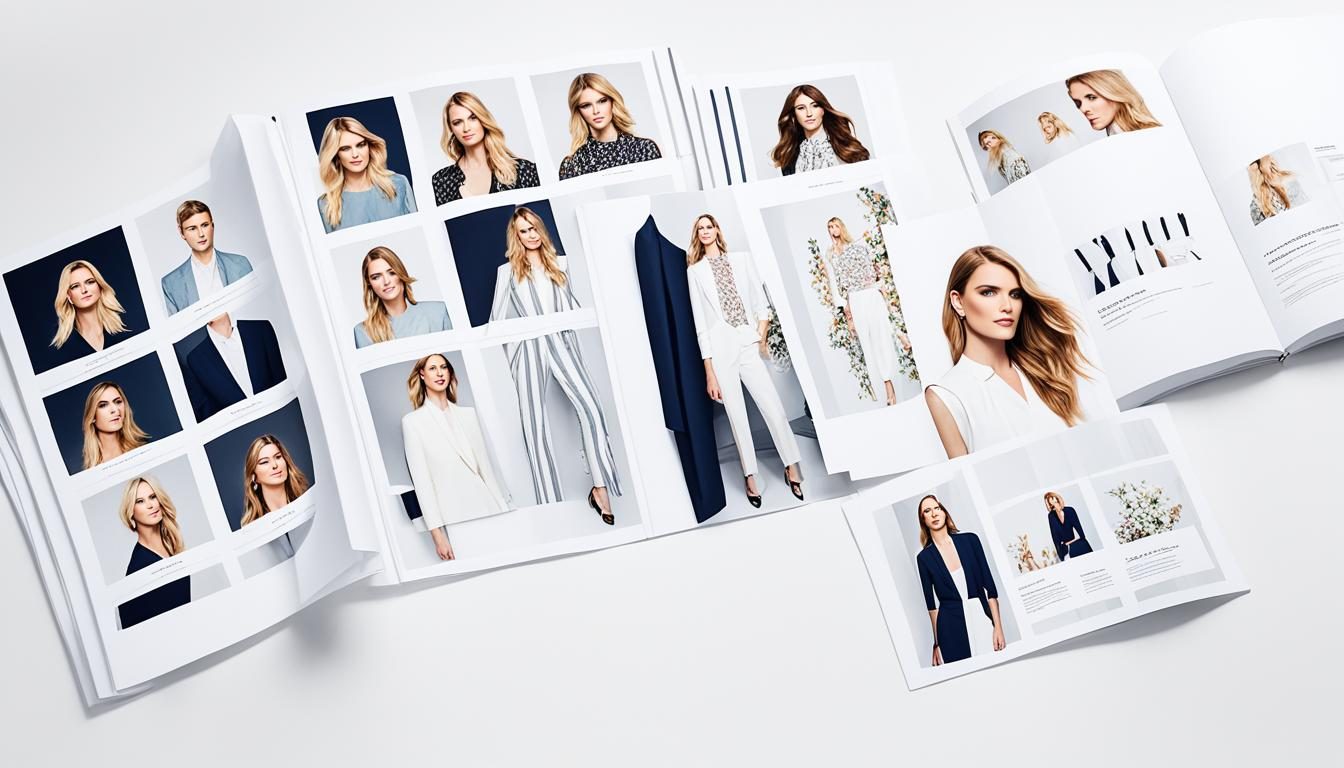
📷 Photo by photographyreal.com
Q: How many images should I have in my gallery?
A: Between 15 and 20 images is the “sweet spot.” Anything more than 25 becomes tedious for an agency scout, and anything less than 10 may make you seem inexperienced.
Q: Is it better to have a physical or digital portfolio?
A: In the modern era, a clean, fast-loading website is mandatory. A physical portfolio is only necessary if you are invited for an in-person meeting at an agency office.
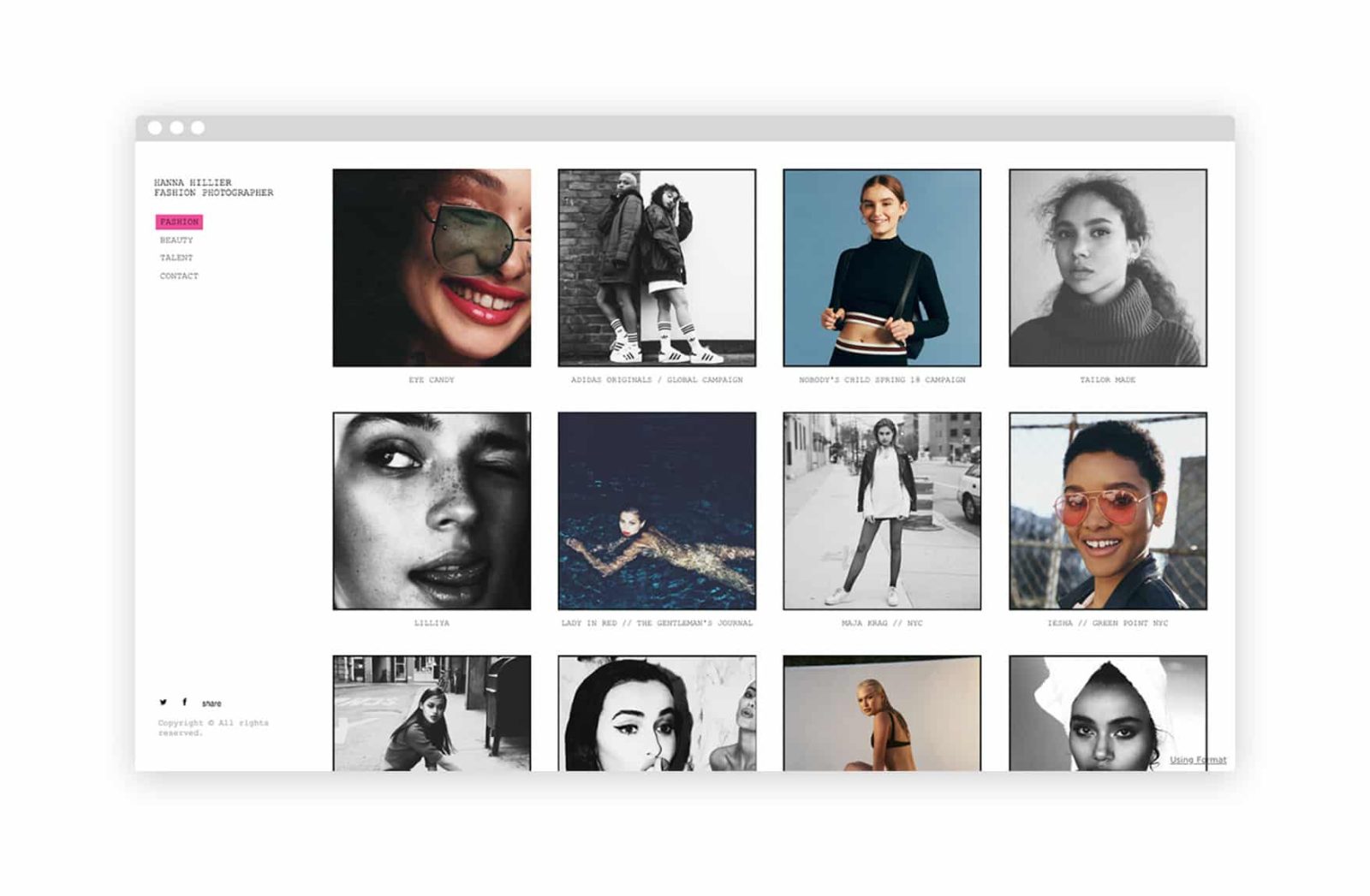
📷 Photo by format.com
Final Thoughts on Longevity
The fashion industry moves quickly, and your portfolio should reflect a sense of modernity. Stay updated with current editorial trends, but ensure your core style remains timeless. If you follow these guidelines, you will create a portfolio that doesn’t just show what you have done, but clearly communicates what you are capable of doing for an agency’s future clients. Keep refining, keep shooting, and always let your visual voice remain the loudest element in your work.
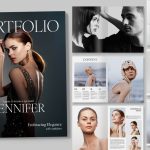
📷 Photo by brandpacks.com