




Innerspark.us – Transparent sleeves for artist portfolios often cause distracting glare due to high-gloss PVC or polypropylene finishes, but you can eliminate this by switching to matte-finish archival pockets or applying anti-glare spray coatings.
For professional artists, a portfolio is a primary marketing tool. When your work is trapped behind a shiny, reflective plastic sheet, the viewer’s focus shifts from the brushstrokes and textures of your art to the overhead lights or their own reflection. This visual noise undermines the quality of your presentation and can make detailed work look muddy or obscured.
Understanding the Source of Glare
Most standard portfolio sleeves are made from PVC (polyvinyl chloride) or polypropylene. These materials are chosen for their durability and transparency, but their smooth, polished surfaces act like a mirror. When ambient light hits these surfaces, it bounces back directly into the viewer’s eyes. This is particularly problematic in gallery settings, art schools, or client meetings where artificial lighting is often intense and positioned directly above the display area.
Beyond aesthetics, there is a technical risk. Cheap, non-archival PVC sleeves can undergo a chemical reaction with your artwork over time, known as “plasticizer migration.” This causes the ink or pigment to stick to the plastic, effectively ruining the piece when you try to remove it. Choosing the right sleeve is therefore not just about visibility, but about the long-term preservation of your professional assets.
Choosing the Right Sleeve Materials
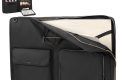
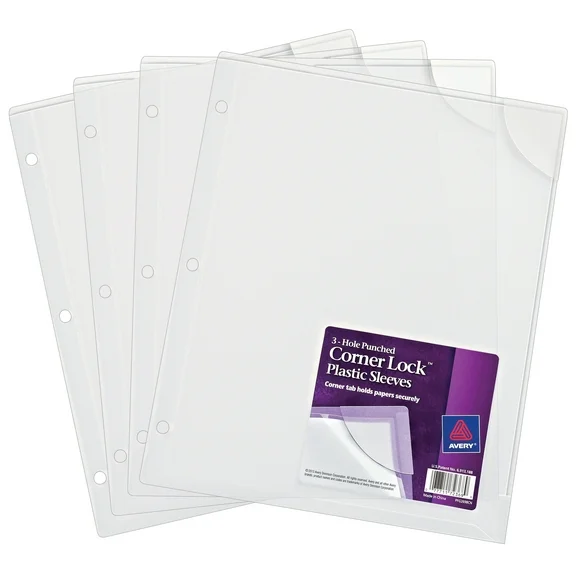
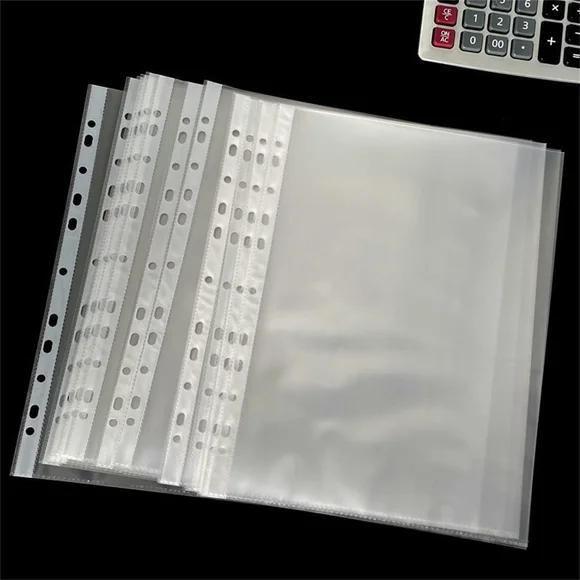
The most effective way to avoid glare is to select sleeves specifically engineered for high-end presentation. You should look for terms like “non-glare,” “matte finish,” or “satin texture” on product packaging. These sleeves are manufactured with a microscopic texture on the surface that scatters incoming light rather than reflecting it as a sharp, singular beam.

📷 Photo by walmart.com
While matte sleeves are the gold standard, they can slightly diffuse the sharpness of high-contrast photographs. If you are presenting oil paintings or detailed charcoal drawings, a high-quality matte sleeve is usually the best balance between clarity and glare reduction. Below is a comparison of common materials found in artist portfolios.
| Material Type | Glare Level | Archival Quality | Best For |
|---|---|---|---|
| High-Gloss PVC | Very High | Poor | General documents |
| Standard Polypropylene | Moderate | Good | Casual sketches |
| Matte/Anti-Glare Poly | Low | Excellent | Professional portfolios |
| Glassine Inserts | None | Excellent | Original drawings |
Practical Steps to Minimize Reflections
If you already own a portfolio case and cannot afford to replace all the sleeves, or if you need to display work in a challenging lighting environment, follow these steps to improve the viewing experience.
- Assess the lighting angle: Before presenting, identify the light sources in the room and adjust the orientation of your portfolio so the light hits the pages at an oblique angle rather than head-on.
- Clean the surfaces: Dust and fingerprints exacerbate glare by creating microscopic points of refraction. Use a microfiber cloth and a mild, anti-static cleaning solution to wipe down the sleeves before a meeting.
- Insert a neutral backing: Place a piece of matte, acid-free black or dark gray paper behind your artwork inside the sleeve. This helps absorb stray light and provides a professional contrast that makes your artwork pop.
- Use anti-glare sprays: For temporary exhibitions or specific pieces, there are professional-grade matte fixative sprays that can be applied to the outside of a sleeve, though this should be tested on a scrap piece first to ensure it does not cloud the plastic.
Common Mistakes to Avoid
One of the most frequent mistakes artists make is using “peel-and-stick” adhesive sleeves. These are almost always made of low-quality materials that will eventually yellow and damage your work. Additionally, avoid using glass sheets or heavy plastic covers that add unnecessary weight to your portfolio case. A heavy portfolio is cumbersome to carry and increases the likelihood of you avoiding taking it to networking events.
Another error is neglecting the “hinge” of the sleeve. If the sleeve is too tight, the plastic will bow outward, creating a convex surface that captures light from every direction. Always ensure your artwork fits comfortably within the sleeve without forcing it. If the paper is slightly curled, flatten it under a heavy, clean book for 24 hours before inserting it into the portfolio.
The Importance of Archival Standards
Professional artists must prioritize archival safety above all else. When purchasing anti-glare sleeves, ensure the packaging explicitly states “Acid-Free” and “PVC-Free.” These labels ensure that the plastic will not off-gas or transfer chemicals to your art. A sleeve that eliminates glare but destroys the original artwork is a poor investment. Always verify the material composition, as some “matte” sleeves are still made of acidic materials that can degrade paper fibers over time.
📷 Photo by walmart.com
Q: Can I use glass cleaner on my portfolio sleeves?
A: It is generally advised to avoid standard glass cleaners, as they may contain ammonia or chemicals that can cloud certain plastics or leave streaks that increase glare.
Q: Is there a way to remove glare from high-gloss sleeves without buying new ones?
A: While you cannot change the physical properties of the plastic, you can use anti-static wipes to reduce dust accumulation, which helps minimize the “halo” effect caused by light hitting dust particles on the surface.
Q: What is the best color background to reduce glare?
A: A matte black or deep charcoal background is usually best, as it absorbs light and creates a high-contrast environment that draws the eye directly to the artwork, effectively masking minor reflections on the sleeve surface.
Ultimately, the goal of your portfolio is to showcase your talent without interference. By choosing the right materials and understanding how light interacts with your presentation case, you ensure that the focus remains entirely on your creative vision. Investing in high-quality, matte-finish, archival-safe sleeves is a small expense that pays dividends in how your work is perceived by galleries, employers, and potential clients.
📷 Photo by walmart.com