


Innerspark.us – To secure editorial illustration work from magazines and newspapers, you must cultivate a distinct, conceptual visual style and consistently pitch a curated, niche-focused portfolio directly to art directors via professional email outreach.
The editorial landscape is fast-paced and deadline-driven. Art directors are not looking for generalists; they are looking for problem solvers who can synthesize complex articles into a single, punchy image. Success in this field requires a shift from being an artist who draws whatever they want to a communicator who interprets the needs of a publication.
Refining Your Portfolio for Editorial Needs
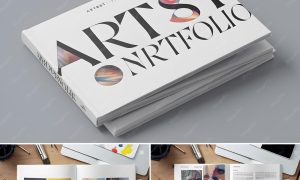
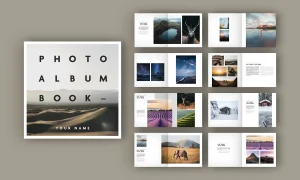
Your portfolio is your calling card, and it must demonstrate that you understand how to illustrate abstract concepts. Avoid filling your site with fan art or purely decorative pieces. Instead, create a series of “spec” illustrations—fictional assignments based on real article headlines from publications you admire. This proves you can handle the specific tone and subject matter of the magazines you are targeting.
Focus on conceptual strength. Can your work communicate a political point, a scientific discovery, or a social trend without the reader needing to read the caption? Editorial work is about metaphor and visual shorthand. If you can distill a 2,000-word essay into a compelling visual hook, you become a valuable asset to an art department.
Building Your Target List
Do not spray and pray. Create a spreadsheet of publications that align with your style. If your work is gritty and political, target investigative journals or opinion sections. If your style is whimsical and vibrant, look toward lifestyle or culture magazines. Research who the art directors or creative directors are at these specific publications. Using platforms like LinkedIn or the masthead page of the publication’s website is essential for finding the right contact.
The Art of the Pitch
Your initial outreach should be brief and professional. Art directors are busy, so respect their time by getting straight to the point. A successful email includes a warm greeting, a very short explanation of why your work fits their publication, and a link to your portfolio. Avoid attaching heavy files that clog their inbox; always use a link to your website or a curated PDF presentation.
Checklist for Editorial Outreach
| Action Item | Priority | Notes |
|---|---|---|
| Curated Portfolio | High | Keep it under 15 strong images. |
| Target List | High | Identify 20-30 ideal publications. |
| Contact Database | Medium | Find current art director emails. |
| Sample Mailer | Low | Physical postcards leave a lasting impression. |
Step-by-Step Guide to Landing Your First Commission
- Create 5-10 pieces of work specifically designed to illustrate common editorial topics like economics, technology, mental health, or politics.
- Build a list of 20 magazines or newspapers that regularly feature illustration work similar in tone to your own.
- Find the email addresses of the art directors or photo editors at these publications through their mastheads.
- Send a personalized, concise email introducing yourself and linking to your best work.
- Follow up once every three to four months with new work to stay on their radar without being intrusive.
- Once you get a brief, ask clarifying questions immediately, meet the deadline, and provide the file in the exact format requested.
Common Pitfalls to Avoid
A frequent mistake illustrators make is becoming defensive regarding feedback. Editorial work is a collaborative process. If an art director asks for a change, it is rarely a personal attack on your artistic integrity; it is usually because the image needs to fit a specific layout or satisfy an editor’s concern. Being easy to work with is just as important as being a talented artist.
Another issue is failing to understand the technical requirements of print. Ensure you know the difference between RGB and CMYK color spaces and understand how to prepare high-resolution files. If your files arrive incorrectly sized or formatted, you risk being blacklisted for future assignments due to the extra work it creates for the production team.
Read also: How to Use Natural Window Light vs Studio Lighting for Art
Managing Deadlines and Professionalism
Editorial illustration is defined by extreme time pressure. You might be asked to turn around a sketch in four hours and the final piece by the next morning. If you cannot meet these demands, you will not survive in the industry. Always confirm your availability before accepting a job, and never agree to a deadline you cannot realistically meet.
Communication is the hallmark of a professional. If you encounter a delay or a technical issue, inform the art director immediately. Transparency builds trust, and trust leads to repeat work. Once you land your first commission, your primary goal should be to become the person the art director calls when they have an urgent, high-stakes project.
Frequently Asked Questions
Q: Should I specialize in one style or be a versatile illustrator?
A: In the editorial world, having a recognizable, signature style is a significant advantage. Art directors hire you because they want your specific “voice” applied to their stories.
Q: How often should I contact an art director?
A: A quarterly update is generally considered professional. You want to stay top-of-mind without becoming a nuisance in their inbox.
Q: Is print work still relevant compared to digital-only publications?
A: Absolutely. While digital is dominant, print magazines often offer higher prestige and better licensing terms. Aim for a mix of both to diversify your income and exposure.
Consistency is the final key to success. You may send dozens of emails before getting a response. Keep your portfolio updated with fresh work, keep your pitch emails polite and brief, and treat every small commission as a stepping stone toward landing work with larger, more influential national publications.
📷 Photo by amazon.sa