




Innerspark.us – Choosing a custom domain establishes a professional brand identity and grants you full ownership of your artistic platform, whereas a free subdomain is a zero-cost entry point that limits your professional credibility and limits control over your digital storefront.
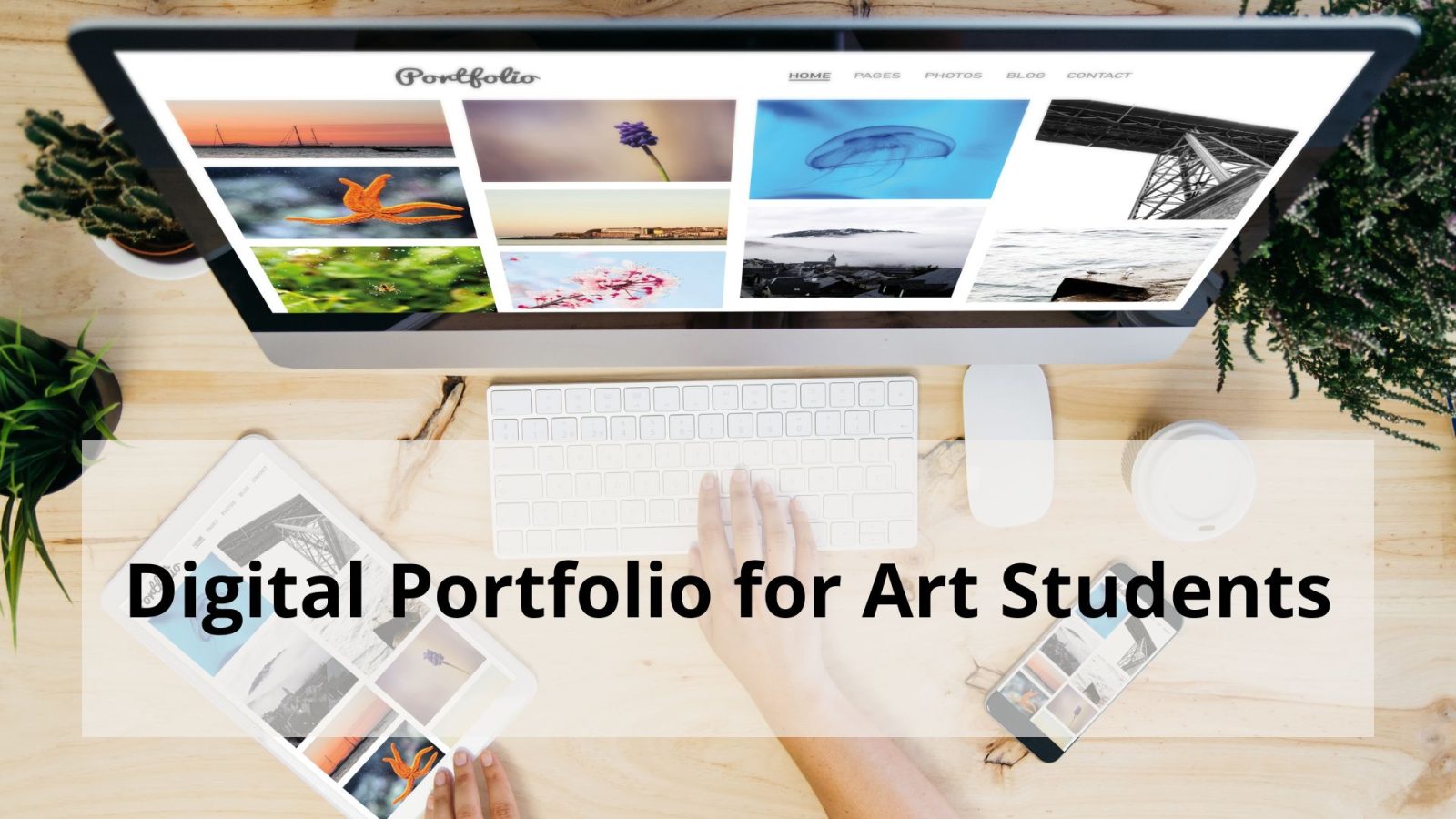
For artists, the digital space is more than just a portfolio; it is a gallery, a storefront, and a business card rolled into one. When you launch your creative career online, you are often faced with the immediate decision of using a free subdomain—like artistname.platform.com—or investing in a custom domain—like www.artistname.com. This decision fundamentally alters how collectors, galleries, and potential clients perceive your legitimacy.
The Professional Perception of Ownership
When you use a free subdomain, you are essentially a tenant on someone else’s land. While this is convenient for hobbyists or those just starting to experiment with their craft, it signals to the professional art world that your commitment to your brand may be temporary. A custom domain acts as a digital seal of authenticity. It tells a curator or a high-end buyer that you are a serious business entity, not just an amateur uploading images to a social blogging platform.
Furthermore, a custom domain provides portability. If the platform hosting your subdomain goes out of business, changes its terms of service, or raises its prices, you could lose your URL identity entirely. With a custom domain, you own the address. You can move your portfolio from one website builder to another without ever changing the URL your followers and collectors have bookmarked.
Comparing the Options
Understanding the technical and financial trade-offs is essential for making an informed decision. The following table highlights the key differences between the two approaches.
| Feature | Free Subdomain | Custom Domain |
|---|---|---|
| Cost | Free | Paid (Annual Fee) |
| Professionalism | Low/Amateur | High/Corporate |
| SEO Potential | Limited | High/Full Control |
| Ownership | Platform-owned | You own the domain |
| Email Branding | Not possible | Professional ([email protected]) |
Search Engine Optimization and Discoverability
Search Engine Optimization (SEO) is the process of helping your art appear when someone searches for terms like “abstract oil paintings” or “custom portrait artist.” A free subdomain rarely ranks well because the authority of the domain is tied to the parent platform, not your specific work. Google and other search engines prioritize unique, independent domains because they represent a singular, focused entity.
By using a custom domain, you are building “domain authority” over time. Every backlink from a blog, a social media post, or an online gallery feature points toward your unique domain. This compounds over the years, making it significantly easier for your work to be found organically by collectors who do not know your name yet but are searching for your specific style or medium.
📷 Photo by ob.thelittlethai.co.uk
Steps to Transitioning to a Custom Domain
If you have already started with a subdomain, do not worry. Transitioning to a custom domain is a standard procedure that many artists undergo as their careers grow. Follow these steps to make the switch seamlessly.
- Select a domain registrar: Choose a reputable service provider to purchase your domain name. Ensure the name is short, memorable, and matches your brand exactly.
- Check availability: Search for your desired name. If the .com is taken, consider alternatives like .art, which has become a popular and professional standard for the creative industry.
- Configure DNS settings: Log into your website builder account and look for the “Domains” or “Connect Domain” section. You will need to update your A records or CNAME records provided by your domain registrar.
- Set up professional email: Once your domain is active, create an email address using that domain. This adds a final layer of professionalism when communicating with galleries or clients.
- Implement 301 redirects: If you had a previous site, ensure that visitors to your old subdomain are automatically forwarded to your new custom domain to avoid losing traffic.
Common Mistakes Artists Make
One of the most frequent errors is choosing a domain name that is too long or difficult to spell. Avoid using hyphens, numbers, or obscure abbreviations. Your domain name should be easy to say out loud during an interview or at an exhibition. Another mistake is forgetting to renew the domain. Most registrars offer auto-renew; enable it so you do not accidentally lose your digital identity because of a missed payment.
Also, beware of “free” domain offers that come with hidden costs or restrictive lock-in periods. Always read the fine print regarding transfer fees. You want to ensure that you are free to move your domain to a different host whenever you choose.
FAQ: Understanding Domain Strategy
Q: Is a .art domain better than a .com domain for my portfolio?
A: A .com is generally more recognizable and trusted by the general public, but a .art domain is excellent for niche branding and often has more availability for creative names.
Q: Does a custom domain guarantee more sales for my art?
A: No, a domain is a tool, not a marketing strategy. It establishes the professional foundation required to close sales, but you still need to drive traffic to your site through social media and networking.
Q: Can I use a custom domain if I am not a tech-savvy artist?
A: Yes, modern website builders like Squarespace, Wix, or Shopify make connecting a custom domain a simple process that usually takes less than ten minutes of configuration.
Ultimately, the choice comes down to your long-term vision. If you treat your art as a lifelong professional pursuit, the small annual investment in a custom domain is one of the most effective ways to signal that you are open for business and ready to be taken seriously by the wider art community.
📷 Photo by skyryedesign.com