




Innerspark.us – Effective freelance invoice payment terms are defined by clear deadlines, late fee policies, and explicit consequences for non-payment, ensuring artists maintain cash flow and professional boundaries.
For independent artists, the gap between finishing a project and receiving payment is often where the most stress occurs. Without a legally sound and clearly communicated payment structure, you risk becoming a creditor for your clients rather than a service provider. Protecting your income starts long before the final invoice is sent; it begins with the contract and the specific language used to define your terms.
The Importance of Clarity in Payment Terms
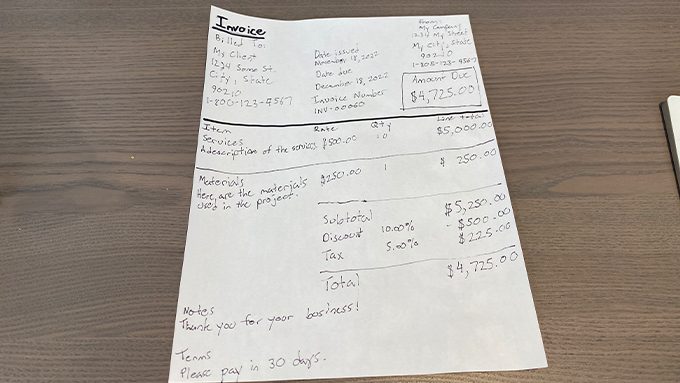
Ambiguity is the enemy of timely payment. Terms like “due upon receipt” are notoriously ineffective because they lack a concrete deadline. Clients often interpret this as “whenever I get around to it.” By replacing vague phrases with specific net-day terms, you set a firm expectation. Whether you choose Net 15, Net 30, or a deposit-based structure, the key is consistency.
Many artists fear that being strict about payment terms will scare away potential clients. In reality, professional clients expect clear terms. If a client balks at your payment policy, it is often a red flag that they may struggle to pay you on time, or at all. Setting these expectations early filters out bad actors and establishes you as a business owner who values their craft.
📷 Photo by invoicer.ai
Structuring Your Payment Schedule
The most effective way to protect yourself is to avoid waiting until the end of a project to collect payment. Large projects should be broken into milestones. By requiring a non-refundable deposit before work begins, you ensure the client is financially invested in the project. This also covers your time if the client suddenly goes silent or cancels the project midway.

📷 Photo by istockphoto.com
| Payment Milestone | Percentage Due | Trigger Event |
|---|---|---|
| Initial Deposit | 30% – 50% | Before project kickoff |
| Mid-Project Milestone | 25% | Approval of sketches/drafts |
| Final Balance | 25% – 45% | Prior to delivery of final files |
Essential Steps to Enforce Your Terms
Drafting the terms is only half the battle; enforcing them requires a repeatable system. Follow these steps to ensure you are protected throughout the lifecycle of your commission or freelance contract.
- Define your payment schedule within the initial contract, ensuring the client signs off on it before any creative work commences.
- Send invoices immediately upon reaching a milestone, rather than waiting for the end of the month or the end of the project.
- Include a “Late Fee” clause in your invoice that clearly states a percentage (typically 1.5% to 5%) will be added to the balance for every week the payment is overdue.
- Suspend all deliverables if a payment deadline passes without communication, clearly informing the client that work is paused until the balance is settled.
- Maintain a professional but firm follow-up schedule, sending polite reminders three days before, on the day of, and three days after the due date.
Common Mistakes to Avoid
One of the most frequent errors artists make is delivering high-resolution, production-ready files before receiving the final payment. Always provide watermarked, low-resolution previews for approval. Only release the final, high-resolution source files once the bank confirms the final payment has cleared. Once you send the raw files, you lose your primary leverage.
Another mistake is failing to specify the payment method. If you do not provide a clear way for the client to pay, you are creating a barrier. Include direct links to your payment processor or clear instructions for wire transfers on every invoice. Make it as easy as possible for the client to settle their debt.
Handling Late Payments Without Burning Bridges
When a payment is late, stay calm and keep your communication strictly professional. Do not apologize for asking for money you have earned. If a client misses a deadline, send a reminder that assumes the best intentions—perhaps they simply forgot or the invoice went to their spam folder. If the silence continues, escalate the tone to emphasize that your terms are a binding part of your agreement.
If you find yourself in a situation where a client refuses to pay, assess the cost of recovery. For smaller amounts, it may be a lesson learned for future contracts. For larger amounts, consider sending a final notice informing them that the account will be turned over to a collections agency or small claims court if not resolved by a specific date. Often, the threat of formal action is enough to prompt a response.
FAQ Regarding Freelance Payment Terms
Q: Should I charge late fees for every client?
A: Yes, it is best practice to include late fee terms in every contract. Even if you choose not to enforce them for a long-term, reliable client, having the clause in place protects you from unpredictable or new clients who might otherwise delay payment indefinitely.
Q: What should I do if a client asks for a payment plan?
A: Payment plans can be a great way to close a deal with a smaller business, but ensure the plan is documented in writing. Require the first installment as a non-refundable deposit and ensure the final payment is received before you release the finished artistic assets.
📷 Photo by dreamstime.com
Q: Is it legally necessary to have a written contract?
A: While you can operate on trust, a written agreement is your only real protection in a dispute. Without a contract that outlines payment terms, you have little recourse if a client decides to withhold payment or disputes the scope of work after the project is completed.
Ultimately, your payment terms are a reflection of your business standards. By being clear, firm, and proactive, you protect your livelihood and ensure that your creative energy is spent on projects that actually pay the bills. Treat your administrative processes with the same care you apply to your art, and you will find that your freelance career becomes far more sustainable.
📷 Photo by dreamstime.com