




Innerspark.us – Converting art inquiries into paying clients requires a strategic email sequence that builds emotional resonance, establishes professional trust, and removes purchasing friction through consistent, value-driven communication.
Most artists lose potential sales because they treat an inquiry as a one-off transaction rather than the start of a long-term relationship. When a collector reaches out, they are often in the “consideration” phase of the buyer’s journey. They like your aesthetic, but they have lingering questions about authenticity, shipping, or how the piece will fit into their lives. An automated email sequence bridges this gap by providing the necessary information before the client even knows they need to ask for it.
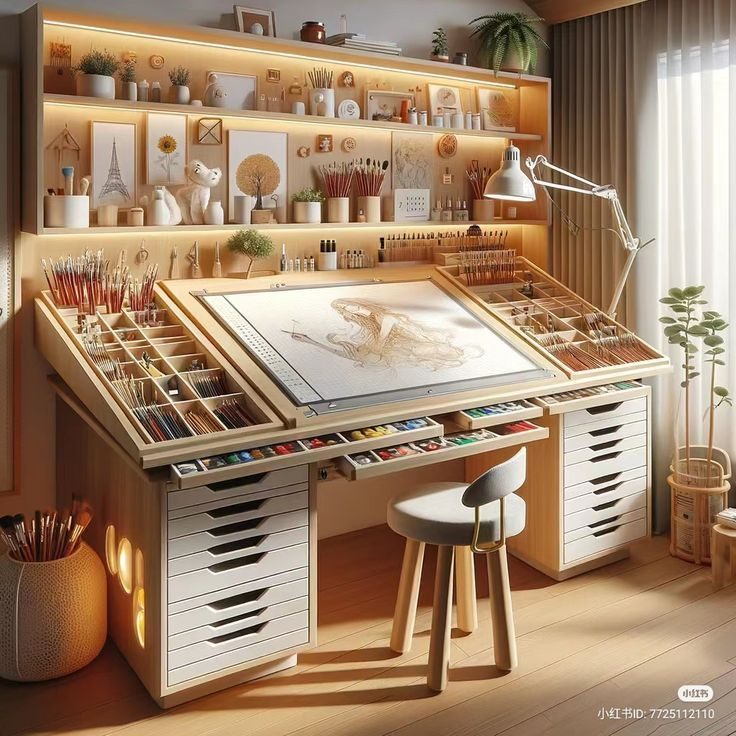
📷 Photo by pinterest.com
The Psychology of the Art Buyer
Art is a luxury purchase, which means it is driven by emotion rather than necessity. Your email sequence must tap into this by validating their taste and providing a narrative context for your work. Clients don’t just buy a canvas; they buy the story, the scarcity, and the status associated with owning an original piece. If you respond with a generic price list, you strip away the magic. Instead, your emails should act as a digital gallery guide that elevates the value of your work.
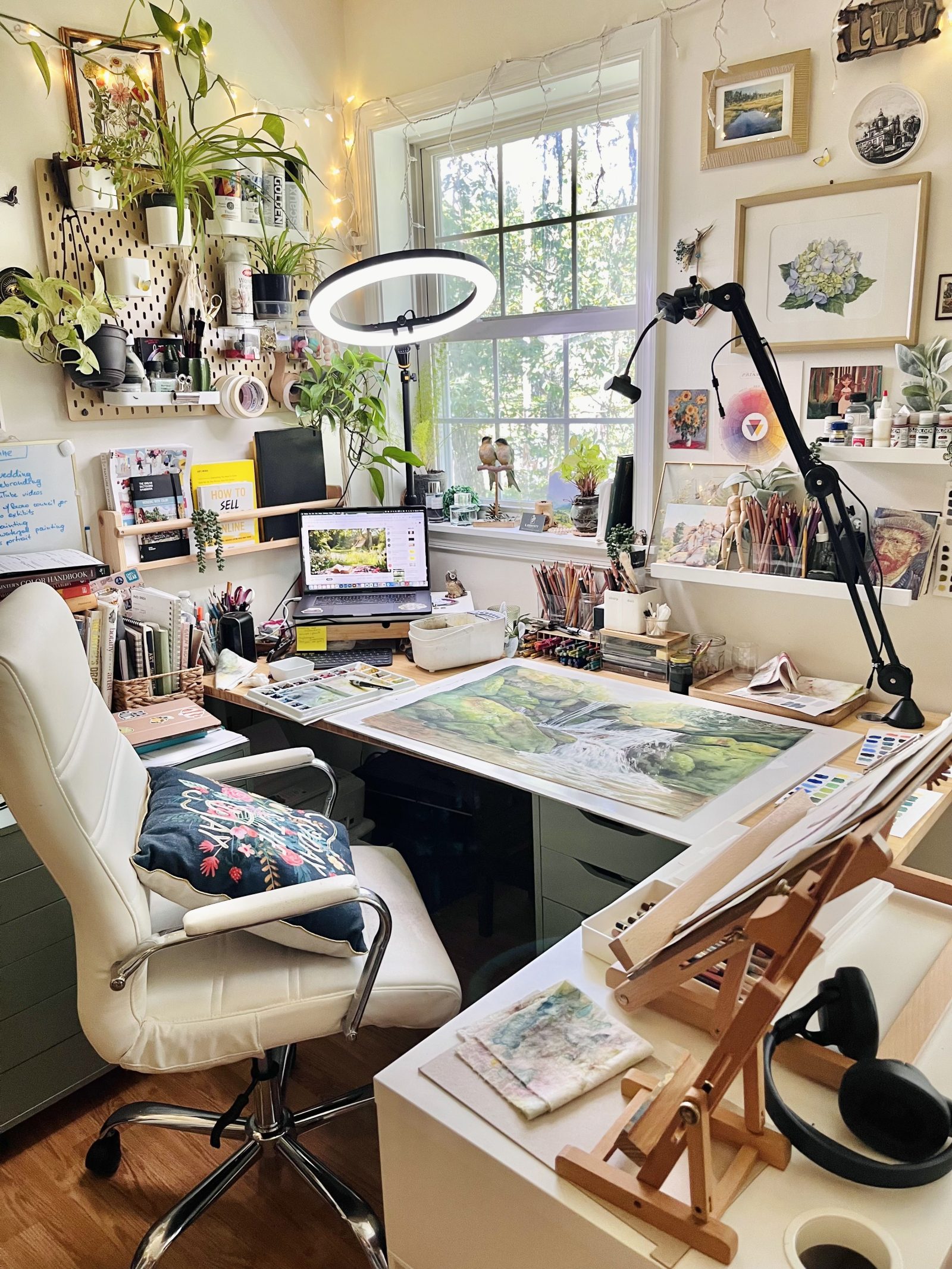
📷 Photo by pinterest.com
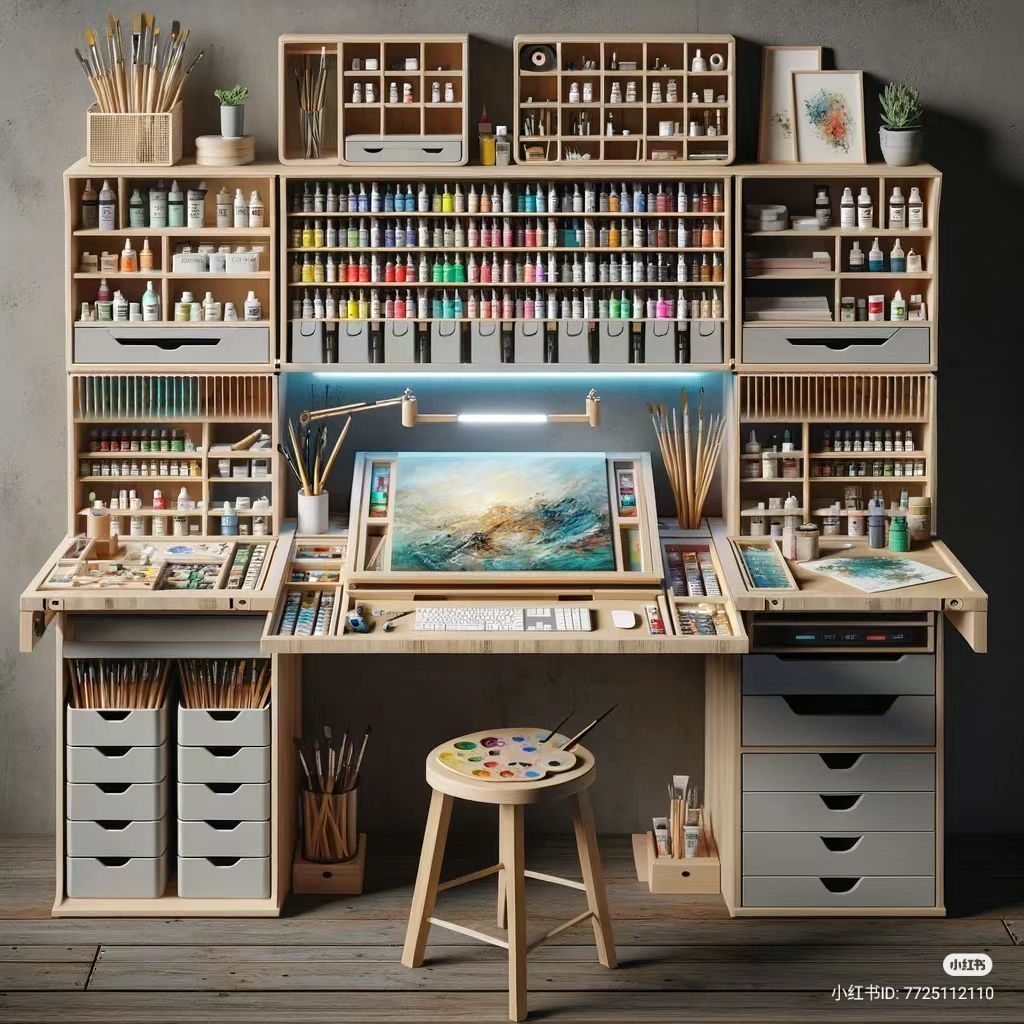
📷 Photo by uk.pinterest.com
Structuring Your Email Sequence
A high-converting sequence typically spans three to five emails sent over the course of two weeks. The goal is to move the lead from “curious” to “committed” without sounding pushy. Here is a recommended flow for your automated sequence:
- The Immediate Welcome and Validation: Send this within minutes of the inquiry. Acknowledge their interest, thank them for connecting, and validate their taste by mentioning why that specific piece is significant.
- The Artist Narrative: Introduce your “why.” Share a brief story about your creative process or the inspiration behind your current collection. This builds a personal connection that differentiates you from mass-produced decor.
- Addressing Objections and Logistics: Proactively answer questions about framing, shipping insurance, or how to care for the artwork. This reduces anxiety and proves you are a professional, not just a hobbyist.
- The Soft Close: Gently remind them that your work is limited and that you are available for a virtual studio visit or a video call to discuss commissions or specific pieces.
Comparative Analysis of Inquiry Handling
Understanding the difference between a reactive response and a strategic sequence is key to increasing your conversion rate. The table below highlights the impact of these different approaches on client perception.
| Metric | Reactive Email Approach | Strategic Sequence Approach |
|---|---|---|
| Response Time | Variable (24-48 hours) | Instant (Automated) |
| Brand Perception | Casual/Hobbyist | Professional Gallery Standard |
| Client Sentiment | Transactional | Emotional/Connected |
| Conversion Rate | Low (10-15%) | High (30-45%) |
Common Mistakes to Avoid
One of the most frequent errors artists make is “overselling.” If your emails are filled with aggressive sales language like “Buy now” or “Last chance” in every subject line, you will alienate high-end collectors. These buyers want to feel like they are acquiring an asset, not being sold a commodity. Maintain a tone of quiet confidence.
Another mistake is failing to segment your list. If someone inquires about a large-scale oil painting, don’t follow up with a sequence about small prints. Ensure your automation tags the user based on the interest they expressed. Relevance is the ultimate currency in marketing/” rel=”tag”>email marketing; keep your content aligned with the specific work that drew them to your studio in the first place.
The Importance of Visual Proof
While this is an email sequence, the text must be supported by high-quality visual content. Use your emails to provide “in-situ” photos—images of your art hanging in a beautifully furnished room. This helps the client visualize the piece in their own home. When a client can see the scale and the texture of the work in a real-world setting, the fear of making a mistake diminishes significantly.
Always include a clear call to action (CTA) in every email, but vary the intensity. In the first email, the CTA might simply be “Reply to this email with any questions.” By the final email, the CTA can be more direct, such as “Click here to secure this piece before it is moved back to the gallery inventory.”
FAQ: Optimizing Your Outreach
Q: How long should my emails be?
A: Keep them concise. Aim for 150 to 300 words. Busy collectors appreciate brevity, and you want to leave room for the visual images to do the heavy lifting.
Q: Should I mention price in the first email?
A: If the inquiry is specifically about price, address it directly but immediately pivot to the value of the piece. Do not hide the price, as this creates friction, but present it as an investment in a unique, limited-edition work.
Q: What if they don’t reply?
A: Do not take it personally. Add them to your monthly newsletter list so they remain in your orbit. Often, a collector may wait months or even years before they are ready to pull the trigger on a significant purchase.
Final Thoughts on Consistency
The transition from an inquiry to a sale is rarely a straight line. It is a process of building trust through consistency. By automating the foundational parts of your communication—the welcome, the story, and the logistics—you free up your mental energy to focus on the personal, high-touch interactions that close the deal. Treat every email sequence as a gallery exhibition that happens right in the inbox of your potential collector.
📷 Photo by pinterest.com