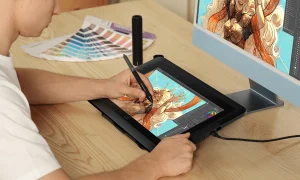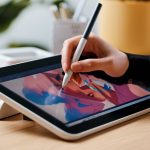



Innerspark.us – Transitioning from a graphic designer to a full-time illustrator requires shifting your focus from layout-based problem solving to narrative-driven visual storytelling while simultaneously building a distinct personal artistic brand. This career pivot involves mastering unique digital painting techniques, aggressive self-promotion, and establishing a professional workflow that prioritizes creative output over client-directed revisions.
The Fundamental Mindset Shift
Graphic design is primarily an exercise in communication, where the goal is to organize information for an audience. Illustration, conversely, is about expression and interpretation. As a designer, you are often a conduit for a client’s brand identity. As an illustrator, you become the product itself. To succeed, you must move away from the pixel-perfect alignment of grids and towards the fluidity of composition, color theory, and lighting that evokes emotion.
Many designers struggle with this transition because they are accustomed to working within strict brand guidelines. In illustration, your “guidelines” are your style. You need to develop a recognizable visual language that makes clients seek you out for your specific aesthetic rather than your ability to follow a brief. This requires a rigorous period of experimentation where you define your mark-making, your preferred color palettes, and the themes you want to explore.
Comparing the Core Professional Profiles
| Feature | Graphic Designer | Full-Time Illustrator |
|---|---|---|
| Primary Goal | Information clarity | Narrative/Emotional impact |
| Client Relationship | Collaborative/Service-based | Commission-based/Artist-led |
| Core Skillset | Typography, Layout, Branding | Drawing, Painting, Composition |
| Workflow Focus | Efficiency and scalability | Creativity and stylistic consistency |
Building Your Portfolio for Illustration
Your existing design portfolio likely showcases logos, websites, or editorial layouts. While this proves you are a professional, it does not prove you can illustrate. You need to curate a new body of work that focuses on storytelling. If you lack commercial illustration experience, create “spec” projects. Develop a series of illustrations for a fictional book cover, a concept art piece for a game, or an editorial spread for a magazine you admire.
Quality trumps quantity. Five exceptional, cohesive illustrations are far more valuable than twenty mediocre pieces. Ensure your portfolio demonstrates versatility within your style; for example, show how your work translates across different formats such as merchandise, social media assets, or print. Potential clients want to see that your style is not just beautiful but also functional and adaptable to their specific needs.
Step-by-Step Transition Strategy
Transitioning while maintaining a steady income is the most sustainable approach. Follow this structured roadmap to build your foundation:
- Define your niche: Identify the sector of illustration you want to enter, such as editorial, publishing, character design, or surface pattern design.
- Audit and refine your skills: Identify gaps in your drawing ability—whether it is anatomy, color theory, or digital brush mastery—and dedicate one hour daily to deliberate practice.
- Develop a “Bridge” portfolio: Create at least 10 high-quality pieces that align with your target niche, focusing on the type of work you actually want to be paid for.
- Optimize your online presence: Update your website and social media profiles to position yourself as an illustrator first and a designer second.
- Network with art directors: Reach out to individuals in your target industry via email or LinkedIn, not to ask for a job, but to share your work and express your interest in their projects.
- Market your services: Start taking on small freelance illustration commissions while keeping your design job to build testimonials and a client list.
Common Pitfalls to Avoid
One major mistake is trying to be everything to everyone. When you are starting out, you might feel the urge to accept any job that comes your way, from logo design to technical diagrams. While this pays the bills, it dilutes your brand. If you want to be an illustrator, you must learn to say no to pure graphic design projects that do not involve your illustration work. This protects your time and ensures your portfolio remains focused.
Another risk is ignoring the business side of art. Illustration is a business that relies heavily on licensing and royalties. Many designers are used to flat-fee billing, but illustration often involves complex usage rights. Educate yourself on how to price your work based on exclusivity, duration of use, and geographical distribution. Failing to understand these terms can leave significant money on the table.
The Importance of Personal Projects
Even when you have a steady stream of client work, never stop doing personal projects. Personal work is where you innovate and push your technical skills to the next level. It is also the work that most often attracts “dream” clients who appreciate your unique voice. Keep a sketchbook or a digital folder dedicated to ideas that have no commercial intent; these often become the seeds for your most successful professional pieces.
Frequently Asked Questions
Q: Should I remove my graphic design work from my portfolio entirely?
A: Not necessarily. You can keep a small section for design, but ensure your illustration work is the primary focus and appears first. It showcases your professional reliability without confusing your target audience.
Q: How long does the transition usually take?
A: It typically takes 12 to 24 months of consistent practice and networking to build enough momentum to support a full-time income from illustration alone.
Q: Do I need a degree in illustration to succeed?
A: No. The industry values a strong portfolio and professional reliability above formal education. If your work meets the market standard, your background as a designer can actually be an asset, as it proves you understand deadlines and client communication.
Final Thoughts on Longevity
The transition from graphic designer to full-time illustrator is a marathon, not a sprint. You are moving from a world of rigid constraints to a world of open-ended possibility. Embrace the discomfort of the shift. By applying the professional discipline you learned as a designer to the creative freedom of illustration, you will build a sustainable career that allows you to thrive as both an artist and a professional.
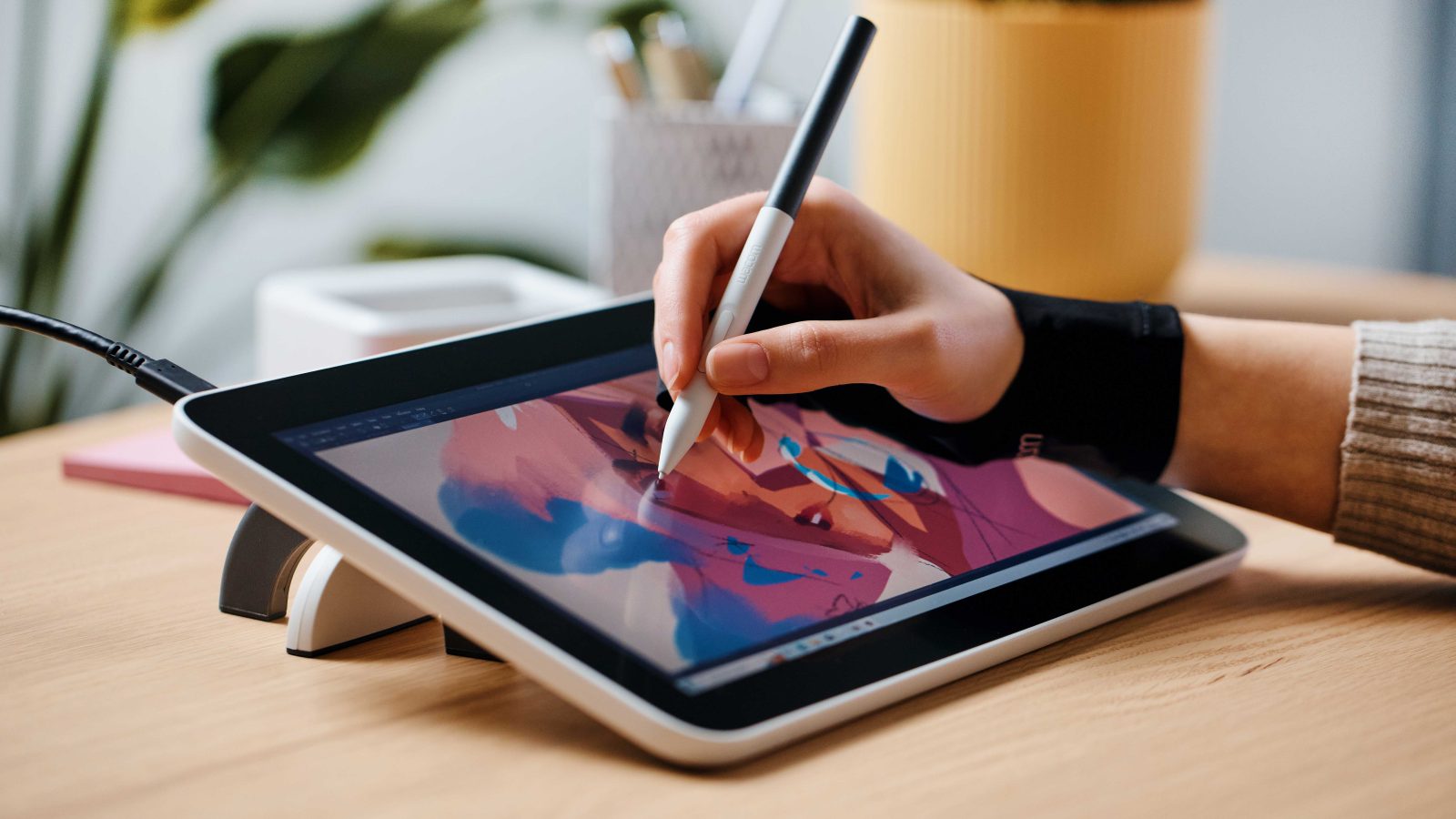
📷 Photo by digitalcameraworld.com