




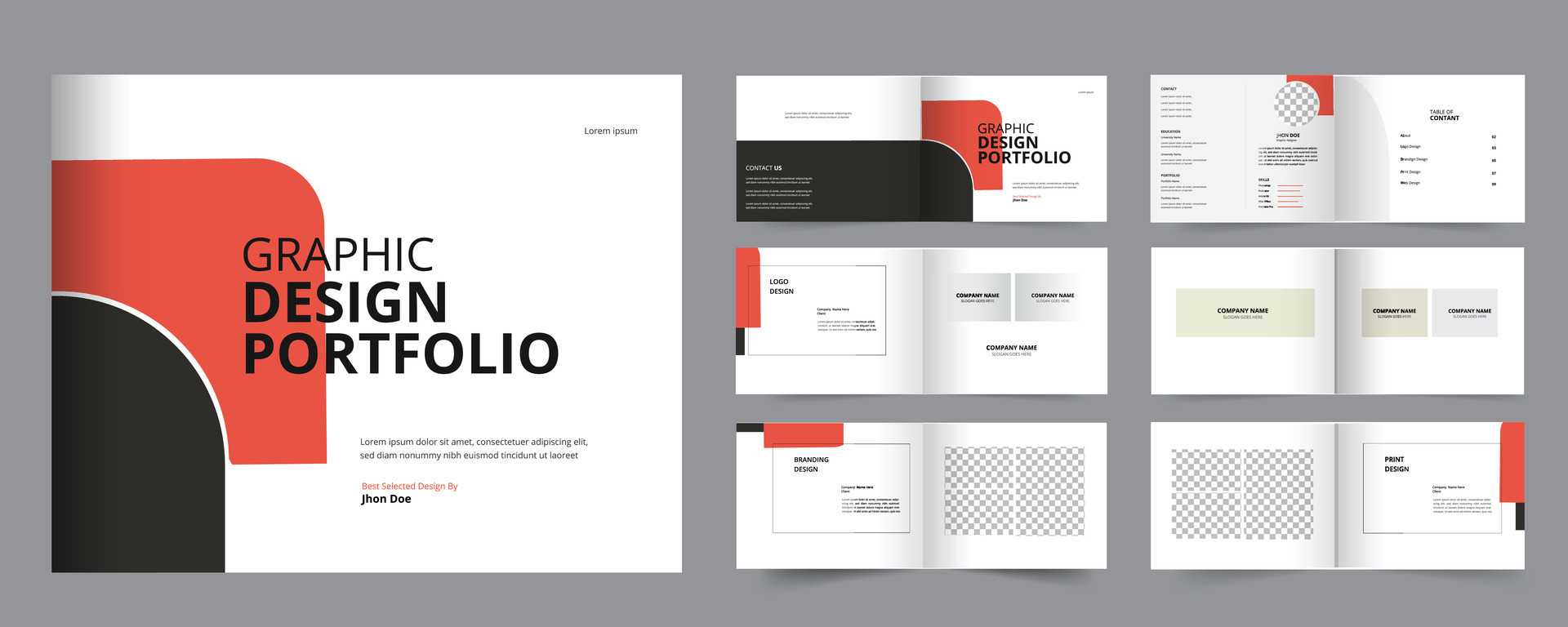
Innerspark.us – A high-converting graphic design portfolio for tech companies and agencies must prioritize case studies that showcase problem-solving skills, measurable business impact, and a clear, user-focused design process rather than just aesthetic visuals.
The Strategy Behind the Selection
When applying for roles at top-tier tech firms or creative agencies, your portfolio is your primary product. Recruiters and hiring managers in these sectors are rarely looking for an endless gallery of pretty images. They are looking for evidence of how you think. A successful portfolio demonstrates that you understand the business context of your work, the constraints you operated under, and the final results you achieved.
Start by curating your best projects. Quality will always triumph over quantity. Aim for 4 to 6 deep-dive case studies that highlight different facets of your expertise, such as brand identity, UI/UX systems, or marketing design. If you include too many projects, you risk diluting the impact of your strongest work.
Structuring Your Case Studies
A case study should tell a story. Agencies want to see the journey from a vague business requirement to a polished, functional output. Use the following narrative structure for every project you feature to ensure your portfolio communicates your professional maturity.
- Define the Problem: Start by identifying the specific challenge the client or team faced. Was it a lack of brand recognition, a high bounce rate on a landing page, or a fragmented design system that slowed down development?
- Your Role and Scope: Clearly state what you did. Did you lead the project, collaborate with developers, or work under an art director? Be honest about your contributions to show you are a team player.
- The Discovery Phase: Briefly explain your research. Did you conduct user interviews, analyze competitors, or perform an audit? This shows you don’t just jump into pixels without a plan.
- The Solution and Execution: Show the drafts, wireframes, and iterations. Tech recruiters love to see how you evolved your ideas. Explain why you chose certain design patterns or typography systems.
- Results and Impact: Whenever possible, include data. Did the new interface increase sign-ups by 15 percent? Did the design system reduce the time developers spent on maintenance? Numbers speak louder than adjectives.
Comparing Portfolio Platforms
Choosing the right hosting environment is crucial for your professional image. Tech-forward companies often look for a clean, fast-loading, and responsive experience.
| Platform | Best For | Key Advantage |
|---|---|---|
| Adobe Portfolio | Adobe Creative Cloud Users | Free with subscription and seamless syncing. |
| Webflow | UX/UI Designers | High customizability and demonstrates coding literacy. |
| Framer | Interactive Designers | Excellent for showing motion and high-fidelity prototypes. |
| Notion | Product/UX Designers | Focuses entirely on process, writing, and documentation. |
Common Mistakes to Avoid
One of the most frequent errors designers make is neglecting the “About” page. In a tech environment, cultural fit is just as important as technical ability. Use your bio to explain your design philosophy, your collaboration style, and what you are currently learning. If you are interested in accessibility or design systems, mention it. It gives recruiters a conversation starter for your interview.
Another pitfall is using broken links or password-protected files. Always assume the hiring manager has exactly three minutes to look at your site. If they have to request access or download a massive PDF file, they will likely move on to the next candidate. Keep your site lightweight, mobile-friendly, and accessible via a direct URL.
Tailoring for Tech vs. Agencies
While the fundamentals remain the same, the emphasis changes depending on where you apply. For tech companies, your portfolio should lean heavily into product design, user flows, and your ability to work with engineers. Emphasize your understanding of design tokens, component libraries, and how your designs scale across different screen sizes.
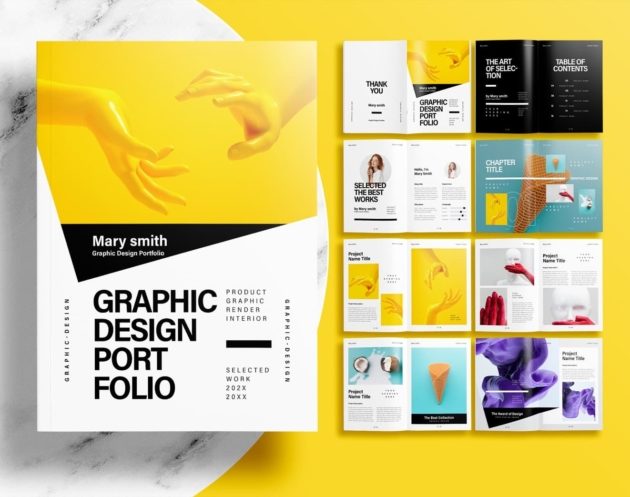
📷 Photo by unsell.design
For creative agencies, the focus shifts toward conceptual thinking, visual storytelling, and brand voice. Agencies want to see that you can push the boundaries of aesthetics while remaining on-brand. They look for work that feels innovative and fresh, even if the project itself was a standard marketing campaign.
Managing Your Content
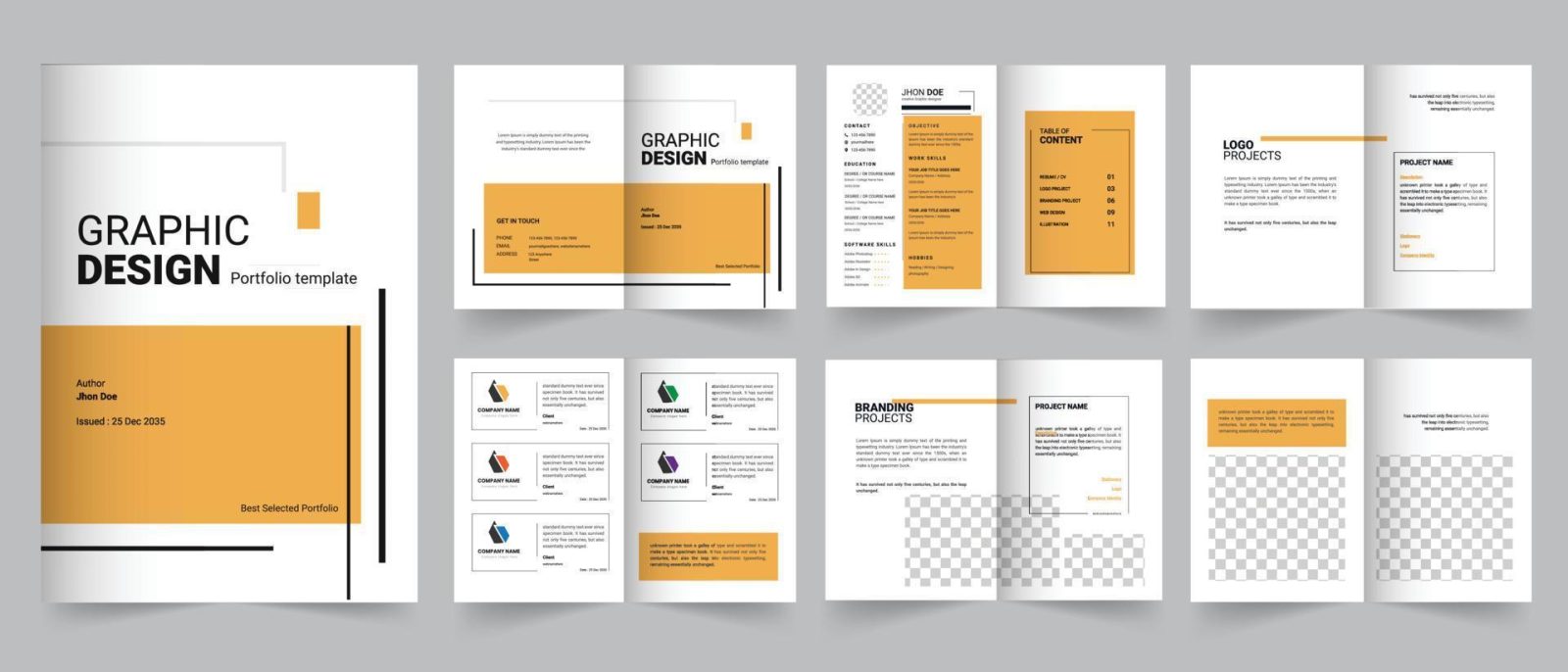
Read also: Best Budget Drawing Tablet Under $100 for Digital Art Beginners
📷 Photo by fitnessgymyoga.com
Keep your portfolio updated regularly. You do not need to redesign your entire site every six months, but you should add new work as soon as a project is finished and you have permission to share it. If you have older work that no longer reflects your current skill level, remove it. A portfolio is a living document that should represent the designer you are today, not the designer you were three years ago.
Finally, ensure your contact information is easy to find. Place your email, LinkedIn profile, and resume download link in the footer or a dedicated contact page. Reducing the friction between seeing your work and reaching out to you is a hallmark of a professional designer who understands user experience.
Frequently Asked Questions
Q: Should I include personal projects in my portfolio?
A: Yes, but only if they demonstrate a skill you want to be hired for that your professional work lacks. Ensure they are treated with the same level of rigor and documentation as client projects.
Q: Is it necessary to have a custom domain?
A: Absolutely. A custom domain (yourname.com) signals that you are serious about your career and provides a professional touch that free subdomains cannot match.
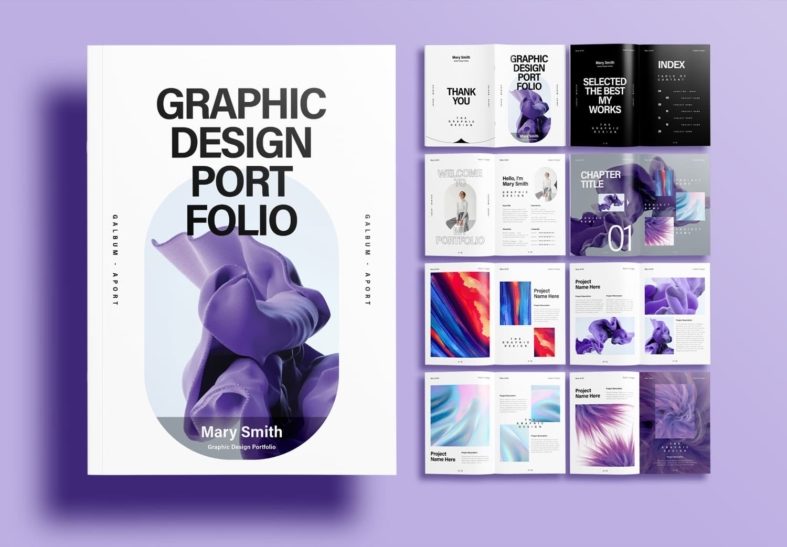
📷 Photo by unsell.design
Q: How much text should I write per case study?
A: Aim for 300 to 500 words. Use clear headings, bullet points, and short paragraphs to make the content skimmable for busy hiring managers who may only spend a few minutes on your site.
Final Thoughts on Presentation
Your portfolio is not just a collection of files; it is a demonstration of your communication skills. If you can clearly articulate your design process, you will likely be able to articulate your design decisions in a meeting. Treat your portfolio as the most important project you have ever worked on, and the results will follow.
📷 Photo by prntbl.concejomunicipaldechinu.gov.co