







Innerspark.us – Balancing personal projects and client work requires a strategic 70/30 time-allocation model where client obligations take priority for revenue, while personal projects are treated as scheduled professional development to prevent burnout and ensure long-term career growth.
The tension between paid client work and personal passion projects is a classic struggle for freelancers and creative professionals. Client work pays the bills, but personal projects often build the reputation and technical skills that attract better clients in the future. Without a deliberate structure, you will likely find yourself drowning in deadlines for others while your own portfolio remains stagnant.
The Strategic Time-Allocation Framework
The most common mistake professionals make is treating personal projects as a leisure activity to be done “when I have free time.” This approach guarantees they will never happen. Instead, you must treat personal work with the same professional rigor as client obligations. If you do not schedule it, it does not exist.
Consider the following distribution table to maintain a healthy professional ecosystem:
| Category | Time Investment | Primary Goal |
|---|---|---|
| Client Work | 70% | Revenue, reputation, and operational stability. |
| Personal Projects | 20% | Skill acquisition, experimentation, and brand differentiation. |
| Admin/Networking | 10% | Invoicing, outreach, and business maintenance. |
Why Personal Projects Often Fail
The primary reason personal projects stall is “scope creep.” When you are your own client, there are no external deadlines or contracts, which often leads to perfectionism. You might spend months refining a single project that adds little value to your actual portfolio. Another common pitfall is choosing projects that are too similar to your existing client work, which leads to mental fatigue rather than creative rejuvenation.
📷 Photo by pinterest.ca
To avoid this, ensure your personal projects fill a specific gap in your portfolio. If your client work is purely corporate and rigid, your personal work should be experimental and bold. This contrast is what makes a portfolio stand out to high-paying clients who want to see your actual creative range, not just your ability to follow a brief.
Step-by-Step Implementation Guide
To effectively integrate both types of work without sacrificing your mental health or income, follow this structured process:
- Define a clear objective for the personal project: Is it for learning a new tool, demonstrating a specific style, or solving a problem you have encountered in client work?
- Allocate a non-negotiable “deep work” block: Schedule two mornings or one full day per week dedicated solely to personal projects, shielding this time from all client communication.
- Break the project into micro-deliverables: Use the same project management logic you apply to client work to track progress on your portfolio pieces.
- Set a “Ship Date”: Treat your personal project as if it had a client deadline to prevent the endless cycle of polishing that leads to abandonment.
- Audit your portfolio quarterly: Remove outdated client work that no longer reflects your skills and replace it with the results of your completed personal projects.
Managing the Mental Shift
Transitioning from client work to personal work requires a psychological reset. When working for a client, you are in a service-oriented mindset, prioritizing their brand identity and constraints. When working on your own projects, you must shift to an explorative mindset where the only constraint is your own vision.
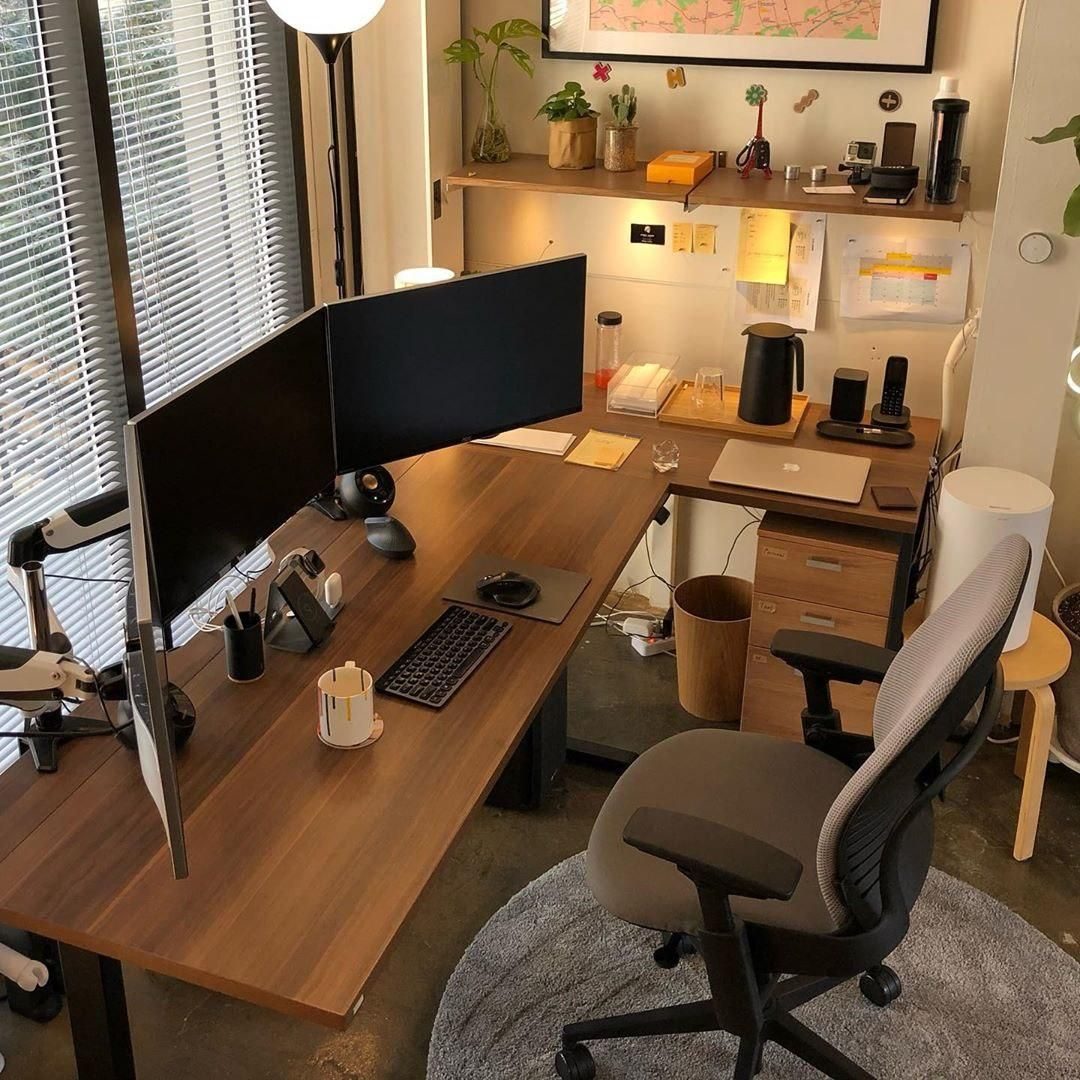
If you find yourself unable to make this switch, try changing your physical environment. Work from a different desk, a library, or even a local cafe. This physical anchor helps your brain distinguish between “earning mode” and “growth mode.”
The Risks of Neglecting Either Side
If you focus entirely on client work, your portfolio will eventually become outdated. You will be stuck in a loop of performing the same tasks for the same types of clients, making it difficult to pivot into new industries or improve your rates. Conversely, focusing too heavily on personal work at the expense of clients leads to financial instability, which creates stress that eventually kills your creativity.
You must view these two streams as symbiotic. Your client work provides the financial freedom to take risks in your personal work, and your personal work provides the innovation that keeps your client work from becoming mundane.
Read also: Giclee Printing Explained: Archival Inks and Paper Standards
Frequently Asked Questions
Q: How many personal projects should I include in my portfolio?

📷 Photo by pinterest.com

📷 Photo by pinterest.com.au
A: Quality always outweighs quantity. Two to three deeply developed personal projects that showcase your unique problem-solving abilities are far more effective than ten unfinished or half-baked concepts.
Q: Should I include failed or abandoned personal projects in my portfolio?
A: Only if you frame them as case studies. If you document the process, the challenges you faced, and what you learned from the failure, it can actually demonstrate a high level of professional maturity and analytical thinking to potential clients.
Q: How do I handle client requests that conflict with my personal project schedule?
A: If a client project is urgent and high-value, it is acceptable to temporarily pause your personal work. However, do not cancel it; simply reschedule it for the following week. The key is to maintain the habit of consistency rather than the perfection of the schedule.
Ultimately, a balanced portfolio is a living document. It should evolve alongside your skills and your career aspirations. By treating your personal projects with the same professional respect as your paid work, you ensure that you are always moving toward the type of work you actually want to be doing, rather than just the work you are currently paid to do.
📷 Photo by storage.googleapis.com