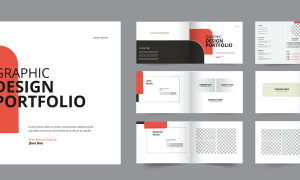






Innerspark.us – A presentation case is a rigid, protective portfolio designed for transporting and archiving delicate artwork, whereas a presentation folder is a lightweight, flexible sleeve primarily used for organizing loose documents and smaller sketches.
Choosing the right storage solution is often the difference between a professional portfolio that survives a commute unscathed and one that leaves your work vulnerable to creases, moisture, and debris. For professional artists, illustrators, and students, the distinction between a presentation case and a presentation folder is significant in terms of utility, durability, and the level of protection provided to the contents.
Understanding the Presentation Case
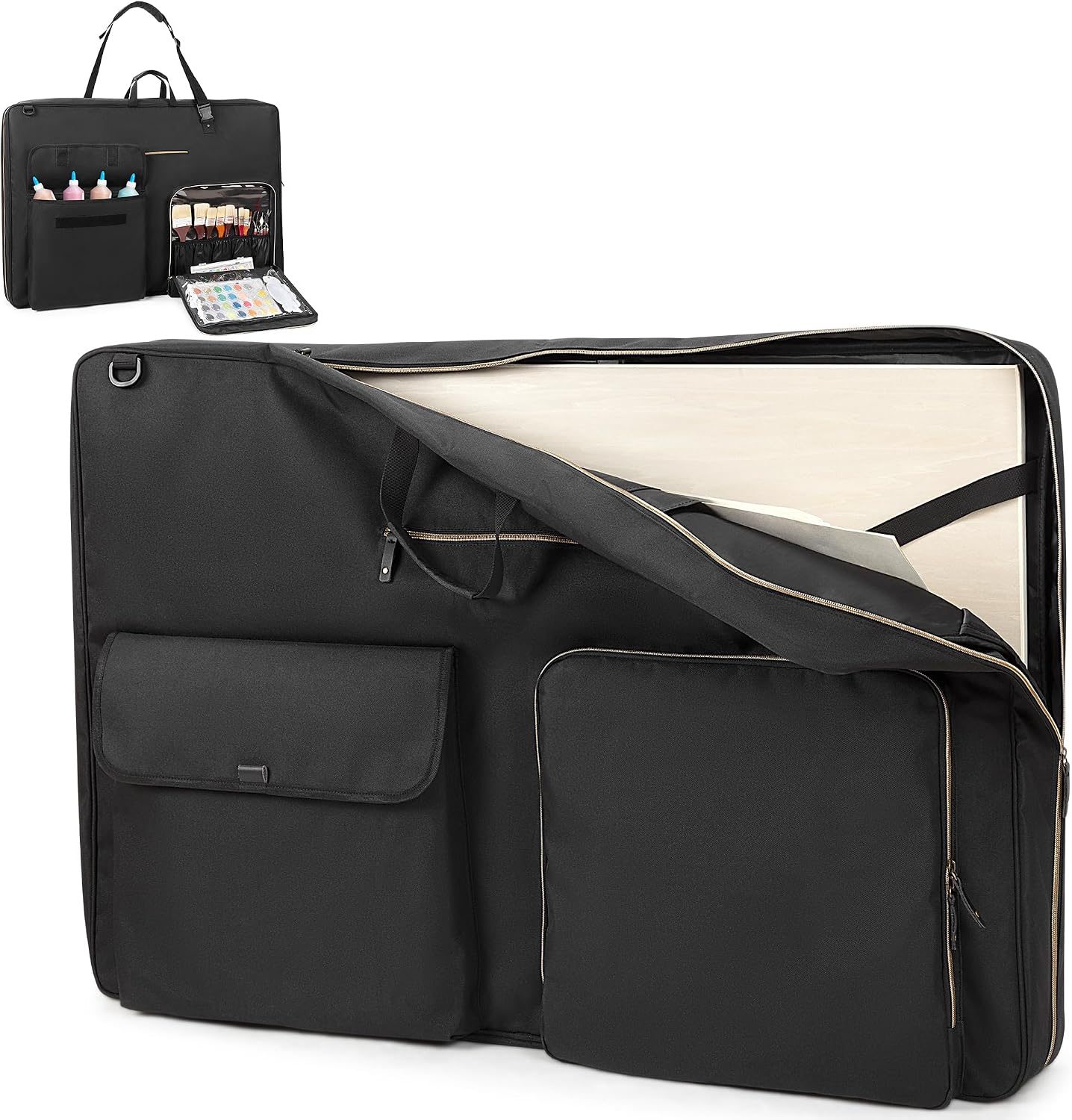
A presentation case is the heavy-duty armor of the art world. These cases are typically constructed from high-impact polypropylene or reinforced fabric with a rigid frame. The primary purpose of a case is to provide physical security. Because they are structured, they prevent the bending, corner-crushing, and moisture damage that often occur during travel.
Most professional-grade presentation cases feature internal ring mechanisms or tracks that allow you to add archival-quality sleeves. This modularity means you can swap out pages based on the specific project or client you are visiting. If you are carrying high-value original watercolor paintings or large-format photography, a rigid case is non-negotiable.
The Function of Presentation Folders
Presentation folders, often referred to as document portfolios or art folios, are designed for portability and quick access. They are usually made of cardstock, thin plastic, or soft vinyl. These are not intended for long-term archival storage of sensitive media but serve as excellent tools for transporting printed proofs, sketches, or promotional materials.
The main advantage of a folder is its weight. If you are attending a casual networking event or a workshop where you need to display a few sketches, a folder is far less cumbersome than a bulky case. However, they lack a hard shell, meaning your work is susceptible to “dog-earing” if the folder is shoved into a backpack or briefcase.
Read also: How to Organize a Graphic Design Portfolio for Tech and Agencies
Comparative Analysis of Storage Solutions
Selecting the right medium depends entirely on the nature of your work and your environment. Use the following table to determine which storage type aligns with your professional requirements.
| Feature | Presentation Case | Presentation Folder |
|---|---|---|
| Primary Material | Rigid Polypropylene/Metal | Cardstock/Flexible Vinyl |
| Protection Level | High (Crush-proof/Water-resistant) | Low (Dust/Light Scuff protection) |
| Best Use Case | Final Portfolios/Exhibitions | Quick Sketches/Drafts/Handouts |
| Capacity | Expandable (Ring/Track system) | Fixed (Limited to pocket size) |
| Durability | Long-term/Professional Archiving | Short-term/Disposable |
Steps to Organizing Your Portfolio
Regardless of whether you choose a case or a folder, how you organize your work dictates how potential clients perceive your professionalism. Follow these steps to ensure your presentation is effective.
- Curate your work: Select only your top-tier pieces that represent the specific skill set you are trying to market. Quality always outweighs quantity.
- Choose the right orientation: Ensure all your work faces the same direction within the case or folder to prevent the viewer from having to rotate the portfolio constantly.
- Use acid-free protectors: If using a presentation case, always insert your work into archival-safe, acid-free sleeves to prevent yellowing or ink transfer over time.
- Add a landing page: Place a clean, professional cover sheet at the front of your portfolio that includes your name, contact information, and a brief artist statement.
- Regular maintenance: Clean the exterior of your case and replace any damaged internal sleeves every few months to maintain a pristine aesthetic.
Common Mistakes to Avoid
One of the most frequent errors artists make is overstuffing a presentation folder. Because folders lack a gusset or rigid frame, cramming too many items inside forces the edges of your artwork to fold, permanently damaging the corners. If you notice your folder bulging, it is time to upgrade to a presentation case with a larger capacity.
Another mistake is ignoring environmental factors. Even if you have a high-quality presentation case, it is not a waterproof safe. Avoid leaving your portfolio in extreme temperatures, such as inside a car during summer, as this can cause the plastic sleeves to stick to the surface of your artwork or cause pigments to fade prematurely.
Risks of Improper Storage
Choosing the wrong storage medium often leads to “portfolio fatigue.” When your work is constantly exposed to the elements or improperly supported, the fine details of your art begin to degrade. For illustrators working with charcoal or graphite, a flexible folder is particularly dangerous because the friction between the pages can cause smudging. Always opt for a rigid case when dealing with friable media to ensure the work stays suspended and untouched by the protective plastic.
Furthermore, consider the psychological aspect of your presentation. A flimsy, bent folder suggests a lack of care for your own work, which can signal to a client that you might treat their projects with the same negligence. A structured presentation case acts as a frame for your professionalism, showing that you value your art enough to protect it properly.
Q: Can I use a presentation folder for long-term storage of original paintings?
A: No. Presentation folders are typically made from non-archival materials that can cause chemical reactions with paints and inks over time. Use a rigid presentation case with acid-free, archival-safe sleeves for long-term storage.
Q: Is a presentation case overkill for a student artist?
A: Not necessarily. While it is a larger investment, a high-quality presentation case is a one-time purchase that protects your work throughout your education and into your early professional career. It is a vital tool for interviews and gallery submissions.
Q: How do I prevent static buildup in my presentation case?
A: Static is common in plastic sleeves. You can minimize it by wiping the outside of the sleeves with an anti-static cloth before inserting your work or by using sleeves specifically labeled as low-static or anti-glare, which often have a matte finish that reduces friction.
📷 Photo by amazon.com