




Innerspark.us – Protecting traditional artwork during shipping requires a multi-layered approach involving acid-free archival materials, custom-built wooden crates, and climate-controlled logistics to prevent damage from moisture, vibration, and handling errors.
Shipping fine art is a high-stakes endeavor that requires more than just bubble wrap and a cardboard box. Traditional media—such as oil on canvas, watercolors on paper, or charcoal drawings—are inherently fragile and susceptible to environmental shifts. Whether you are a professional artist or a gallery owner, ensuring the safety of a piece during transit is essential for maintaining the value of the work and the integrity of the artist’s reputation.
The Risks of Improper Packaging
The most common causes of damage during shipping are environmental fluctuations and physical shock. When a painting travels through different altitudes or climate zones, the canvas can expand or contract, leading to cracking or flaking of the paint layers. Furthermore, improper securing of the frame can lead to “rubbing,” where the edge of the frame abrades the painted surface during transit. Moisture is another silent enemy; if a piece is wrapped in non-breathable plastic, trapped humidity can lead to mold growth or warping of the wooden stretcher bars.
Essential Materials for Professional Packing
To protect traditional artwork, you must invest in high-quality archival materials. Never use standard household packing tape or acidic cardboard, as these materials can off-gas and damage the artwork over time. Glassine paper should always be the first layer against the surface of a painting, as it is pH-neutral and prevents materials from sticking to the surface.
| Material | Purpose | Why It Is Essential |
|---|---|---|
| Glassine Paper | Surface Protection | Acid-free barrier that prevents abrasion and chemical reaction. |
| Acid-Free Foam Board | Structural Support | Creates a rigid shield against punctures and pressure. |
| Corner Protectors | Impact Absorption | Protects the most vulnerable parts of the frame from drops. |
| Heavy-Duty Crate | External Security | Provides a crush-proof shell for long-distance transit. |
Step-by-Step Guide to Packing a Canvas Painting
Following a systematic process minimizes the risk of human error. Use this guide to prepare a standard oil or acrylic painting for domestic or international shipping.
- Measure the artwork precisely, including the frame, to determine the interior dimensions of the crate.
- Wrap the face of the artwork in a layer of glassine paper, securing it with acid-free tape—never let the tape touch the artwork itself.
- Cover the glassine with a layer of bubble wrap, ensuring the bubbles face outward to prevent them from leaving indentations on the surface of the work.
- Cut two pieces of rigid, acid-free foam board slightly larger than the artwork; place one on the front and one on the back to create a protective “sandwich.”
- Wrap the entire sandwich in heavy-duty stretch film to keep moisture out and hold the layers securely in place.
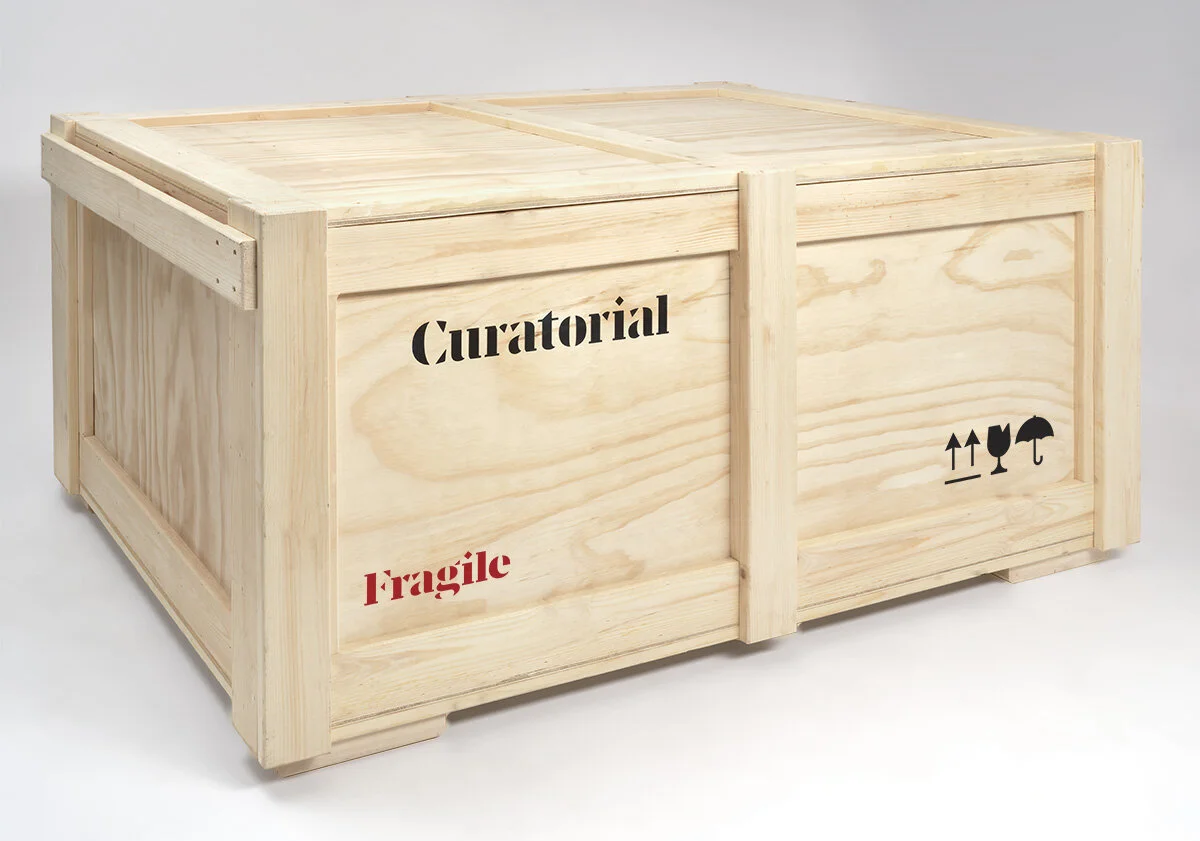
- Place the wrapped piece into a custom-built wooden crate, using high-density foam blocks to ensure the artwork is suspended and cannot shift during transit.
- Seal the crate with heavy-duty screws and label all sides with “Fragile” and “This Side Up” indicators.
Common Mistakes to Avoid
One of the most frequent mistakes is using a box that is too small. If the artwork fits too snugly, any impact on the outside of the box will be transferred directly to the frame or canvas. Always leave at least two to three inches of clearance on all sides, which should be filled with high-density packing peanuts or foam inserts. Another error is neglecting the weight distribution; if the crate is too heavy on one side, it is more likely to be dropped or mishandled by carriers who expect a balanced load.
The Importance of Climate Control
Traditional artwork is a living material. Oil paint, canvas, and wood are all porous and react to their surroundings. When shipping internationally, the cargo hold of an airplane can reach extreme temperatures. Always inquire if your courier offers “climate-controlled shipping.” If this is not an option, ensure that the crate is well-insulated with thermal-reflective materials to buffer against rapid temperature spikes. This is particularly important for works involving delicate glazes or antique varnishes that are prone to blooming or cracking under thermal stress.
Read also: Bluetooth Wireless Drawing Tablet vs USB-C Cable: Performance Test
Insurance and Documentation
Even with the best packaging, accidents can happen. Always document the condition of the artwork with high-resolution photographs before it is sealed in the crate. This provides a baseline for insurance claims should damage occur. Ensure that the insurance coverage reflects the market value of the piece, not just the cost of materials or shipping. Work with specialized art couriers rather than standard parcel services whenever possible, as they understand the nuanced handling requirements of fine art.
Q: Is it safe to use bubble wrap directly against an oil painting?
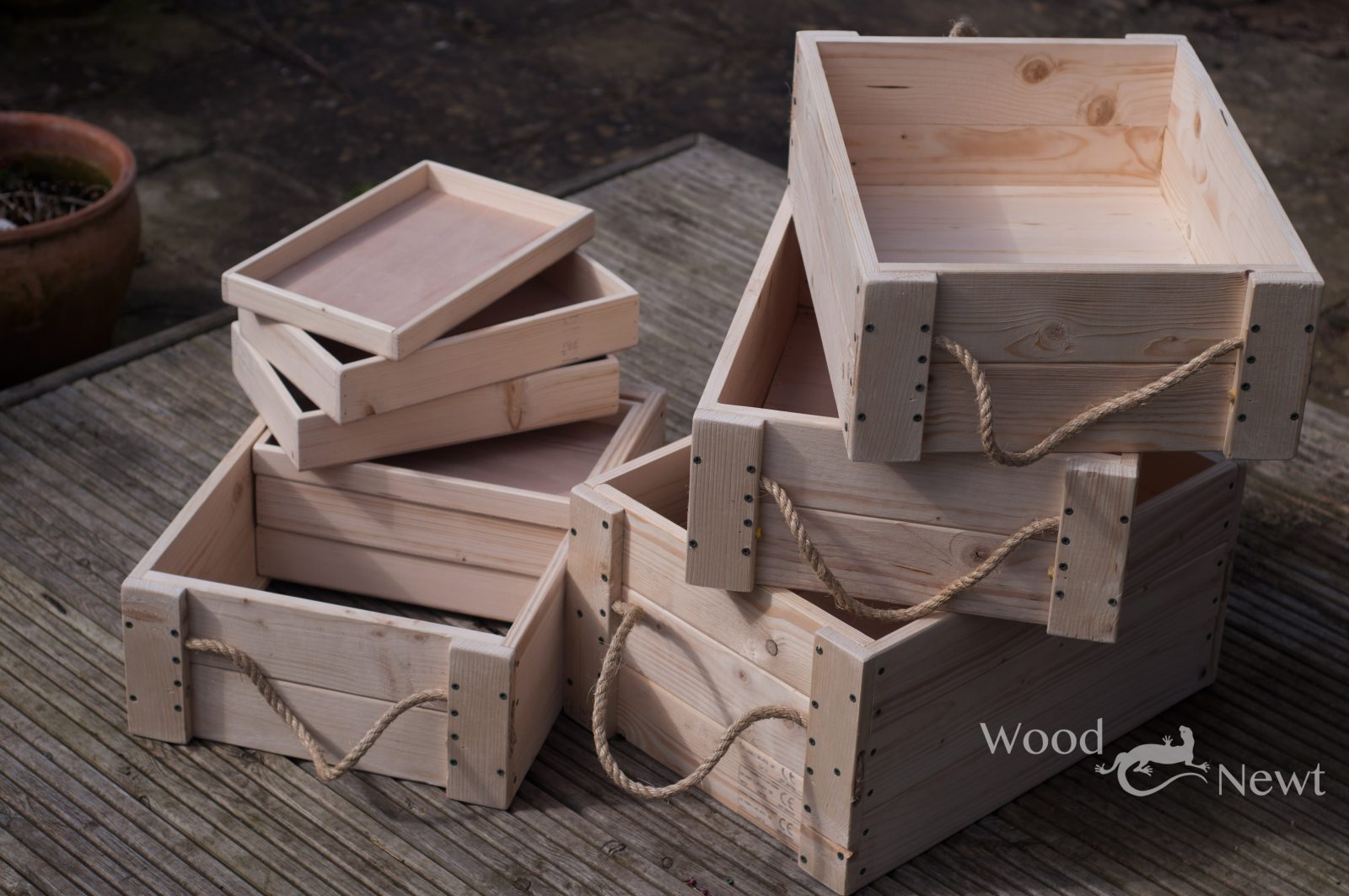
📷 Photo by woodnewt.com
A: No. Bubble wrap can leave permanent indentations on the surface of an oil painting, especially in warmer temperatures. Always use a layer of glassine paper or acid-free tissue as a protective buffer between the artwork and the bubble wrap.
Q: Should I remove the frame before shipping?
A: If the frame is fragile, ornate, or significantly larger than the painting, it is often safer to ship it separately. However, if the frame is sturdy and integral to the presentation, it can be shipped with the painting, provided it is properly padded and braced to prevent it from damaging the canvas.
Q: Why is a wooden crate preferred over a cardboard box?
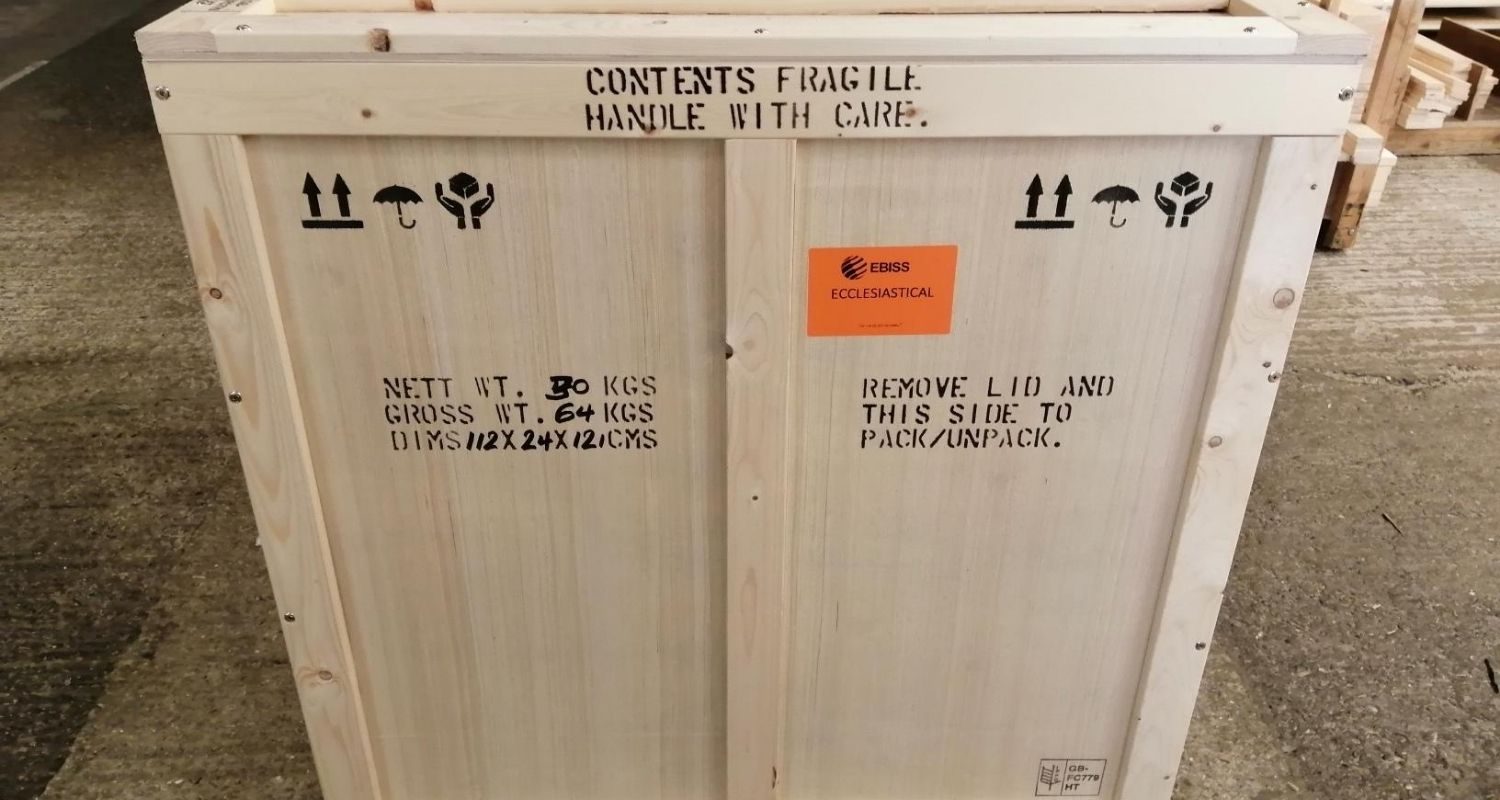
📷 Photo by ebiss.co.uk
📷 Photo by casolia.com
A: Cardboard can be crushed under the weight of other packages or compromised by moisture. A wooden crate provides structural rigidity, prevents bending, and offers a much higher level of protection against punctures and accidental drops.
By treating the shipping process as an extension of the artwork’s lifecycle, you ensure that the piece arrives at its destination in the same condition it left the studio. Precision, the right materials, and a commitment to professional-grade logistics are the cornerstones of successful art transportation.
📷 Photo by curatorial.com