




Innerspark.us – Textured archival paper is essential for reproducing gouache and acrylic works because its toothy surface captures the physical depth and brushstroke variations of the original medium while ensuring long-term color stability. Choosing the right substrate transforms a flat digital print into a professional-grade fine art reproduction that mimics the tactile quality of a traditional painting.
Why Surface Texture Matters for Opaque Media
Gouache and acrylic are opaque mediums that rely on physical layering and texture to create visual interest. Unlike watercolors, which are transparent and often require smooth hot-press papers to showcase delicate washes, gouache and acrylics benefit from a textured surface. This texture, often referred to as “tooth,” allows the pigment to sit within the microscopic crevices of the paper, mimicking the way paint clings to a canvas or heavy-duty board.
When reproducing these works, the paper must do more than just hold ink; it must replicate the light-scattering properties of the original paint application. A high-quality textured archival paper provides a matte finish that prevents glare, allowing the viewer to appreciate the brushwork without reflections interfering with the subtle color shifts inherent in gouache.
The Importance of Archival Standards
Archival quality is non-negotiable for professional artists. Standard printer paper contains acids and optical brighteners that cause the substrate to yellow and become brittle over time. An archival paper, by definition, is acid-free and often made from cotton rag or high-alpha cellulose. This ensures that the reproduction retains its integrity for decades, matching the longevity of the original artwork.
Furthermore, the coating on the paper is crucial. Archival papers designed for inkjet printing feature a specialized receptive layer that binds the pigment. This prevents the ink from bleeding into the fibers, which would otherwise lead to a loss of detail in the fine, textured areas of your gouache or acrylic painting.
Selecting the Right Paper for Your Needs
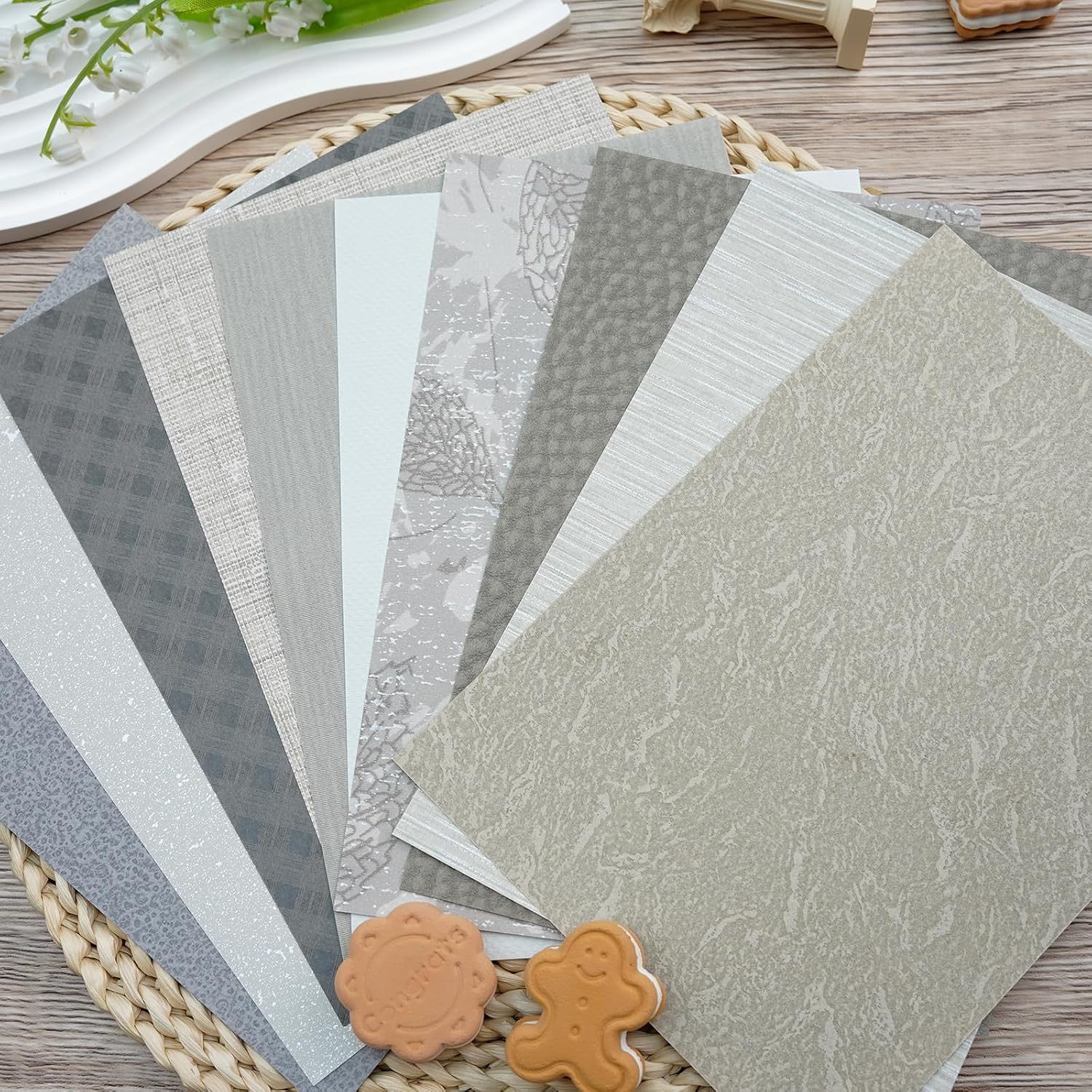
Not all textured papers are created equal. Some offer a soft, felt-like surface, while others provide a pronounced, canvas-like weave. Your choice depends on the specific aesthetic of your original work.
| Paper Type | Texture Intensity | Best For |
|---|---|---|
| Cold Press Cotton Rag | Medium/Soft | Detailed gouache with soft blends |
| Canvas-Textured Fine Art | Heavy/Canvas-like | Impasto acrylics and bold brushwork |
| Velvet Matte Paper | Fine/Subtle | Illustrations and flat color designs |
| Handmade Deckle Edge | High/Organic | Fine art gallery prints and limited editions |
Step-by-Step Guide to Preparing Your Art for Reproduction
Achieving a high-fidelity reproduction requires careful preparation before the printing process even begins. Follow these steps to ensure your digital file translates effectively to textured archival paper.
- Capture your original artwork using a high-resolution scanner or a professional camera setup with polarized lighting to minimize reflection.
- Edit the digital file in a color-managed environment, ensuring you are working in an Adobe RGB or ProPhoto RGB color space for the widest gamut.
- Perform a test print on a small sample of your chosen textured paper to see how the ink interacts with the surface depth.
- Check for “bronzing” or ink pooling in the deep, dark areas of the acrylic or gouache, and adjust your printer settings to increase the ink drying time if necessary.
- Verify the final print under daylight-balanced lighting to ensure the colors match the original painting’s vibrancy.
Common Pitfalls and How to Avoid Them
One of the most frequent mistakes artists make is ignoring the paper’s weight. When printing on textured archival paper, you should aim for a weight of at least 250 to 310 grams per square meter (gsm). Anything lighter may buckle under the ink load, especially if you are using high-density acrylic-style prints that require more saturation. Buckling ruins the professional appearance of the reproduction and makes framing difficult.
📷 Photo by amazon.com
Another issue is over-sharpening the digital file. Because textured paper has its own inherent surface detail, applying too much digital sharpening can lead to a “noisy” or grainy appearance in the print. Trust the paper to provide the texture; keep your digital file clean and focused on accurate color and tonal reproduction.
Understanding Lightfastness and Longevity
Even with the best paper, the longevity of your print depends on the lightfastness of the ink. Always use pigment-based archival inks. Dye-based inks are prone to fading when exposed to UV light, which defeats the purpose of printing on high-quality archival paper. When combined with a textured cotton rag, pigment inks provide a museum-grade finish that resists environmental degradation.
Frequently Asked Questions
Q: Does the texture of the paper affect the scan quality of my original art?
A: Yes, if your original art is on heavily textured paper, scanning can create shadows in the crevices. Use multiple light sources at 45-degree angles to fill these shadows during the capture process.
Q: Can I use standard inkjet paper for acrylic reproductions?
A: It is not recommended. Standard paper lacks the archival coating needed to prevent ink migration, and it will not provide the tactile, matte finish that makes acrylic reproductions look like authentic paintings.
Q: Is cold press or hot press better for textured reproductions?
A: Cold press is almost always superior for gouache and acrylic because the slight texture holds the depth of the paint better, whereas hot press is too smooth and may make the print look like a flat photograph.
Final Considerations for Professional Presentation
Once you have successfully printed your work on textured archival paper, the final step is presentation. These prints are delicate and susceptible to scuffing due to the toothy surface. Always handle prints by the edges, and if you are shipping them, use acid-free tissue paper to protect the surface. When framing, use a mat board to prevent the print from touching the glass, as moisture can cause the ink to adhere to the frame over time. By following these practices, you ensure that your reproductions remain as vibrant and textured as the day they were printed.
Read also: Hardcover Artist Portfolio Book: How to Bind Your Custom Prints
📷 Photo by freepik.com