


Innerspark.us – Archival art sleeves must be made of acid-free polypropylene or polyester to ensure long-term preservation, as vinyl (PVC) releases harmful plasticizers that degrade artwork over time.
Choosing the right protective sleeve for your artwork, documents, or collectibles is the most critical step in long-term preservation. Many collectors mistakenly believe that any clear plastic sleeve offers protection, but the chemical composition of the material is the difference between a pristine collection and one that is permanently damaged by chemical reactions.
The Dangers of Vinyl (PVC) in Archival Storage
Vinyl, technically known as Polyvinyl Chloride (PVC), is a popular material for inexpensive office supplies and binders. However, it is fundamentally incompatible with archival standards. To make PVC flexible, manufacturers add chemical plasticizers, which are unstable substances that eventually migrate out of the plastic.
When these plasticizers leach out, they create a sticky residue on the surface of your artwork. This process, often called “outgassing,” can cause ink to lift off the page, colors to bleed, and paper to become brittle or yellowed. If you have ever seen an old photo stuck to the inside of a cheap plastic album page, you are witnessing the destructive effects of PVC.

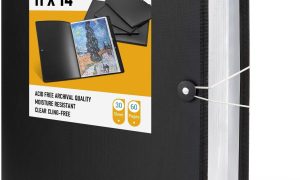
📷 Photo by walmart.com
Why Polypropylene is the Gold Standard
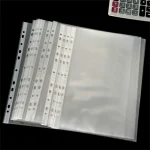
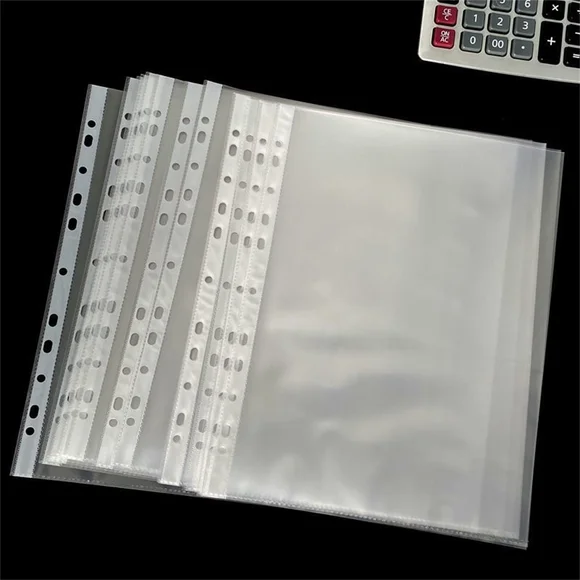
Polypropylene is an inert, stable plastic that does not require the addition of plasticizers to remain flexible. It is chemically stable, meaning it does not break down or release acidic gases over time. This makes it the preferred choice for museums and professional archivists.
Unlike vinyl, high-quality polypropylene sleeves are “acid-free” and “archival safe.” They provide a clear, durable barrier that protects against dust, moisture, and physical handling without altering the chemical integrity of the item stored inside. When shopping for these sleeves, always look for the “polypropylene” or “polyester” (Mylar) label to ensure your collection remains safe.
Comparison of Archival Materials
| Feature | Polypropylene | Vinyl (PVC) | Polyester (Mylar) |
|---|---|---|---|
| Chemical Stability | High (Inert) | Low (Reactive) | Highest (Inert) |
| Plasticizers | None | High | None |
| Clarity | High | High | Excellent |
| Cost | Affordable | Very Low | Premium |
| Recommended Use | Long-term storage | Short-term display | Museum/Gallery |
How to Properly Store Artwork in Archival Sleeves
Even with the correct materials, the method of insertion and storage matters. Follow these steps to ensure your art remains in museum-quality condition for decades.
- Clean your workspace thoroughly to ensure no dust, oils, or food particles are present that could be trapped inside the sleeve.
- Wash and dry your hands completely, or use lint-free cotton archival gloves to prevent skin oils from transferring to the artwork.
- Check the sleeve for any manufacturing debris by gently shaking it before insertion.
- Slide the artwork into the sleeve carefully. If you encounter resistance, do not force it, as this can cause corner creases or tears.
- Remove any excess air by gently pressing from the center toward the opening, but avoid over-squeezing, which can cause static buildup.
- Store the sleeved items in an archival-grade box kept in a cool, dry environment away from direct sunlight.
Common Mistakes to Avoid
One of the most frequent errors collectors make is assuming that “clear” is synonymous with “safe.” Many sleeves sold in big-box office supply stores are made of PVC, even if they appear crystal clear. Always check the packaging for the words “acid-free” and “PVC-free.” If a sleeve smells strongly of chemicals or plastic, avoid using it for valuable items.
Another mistake is overstuffing sleeves. Placing multiple items in a single sleeve creates friction and increases the risk of damage during retrieval. Furthermore, storing sleeves in areas with high humidity—such as basements or attics—can lead to mold growth, even if the sleeve itself is archival quality. The sleeve protects against physical contact, but it cannot stop environmental degradation caused by extreme temperature fluctuations.
Identifying Potential Damage Early
Regular maintenance is essential. Every six to twelve months, remove items from their storage to inspect them. Look for signs of “toning,” which is a subtle yellowing of paper, or any stickiness on the plastic. If you notice the plastic starting to cloud or feel tacky, the sleeve has reached the end of its lifespan and should be replaced immediately.
By investing in polypropylene or polyester sleeves, you are creating a micro-environment that shields your collection from atmospheric pollutants. While these materials cost slightly more than generic vinyl products, the cost of replacing damaged historical documents or unique art pieces is significantly higher. Treat your collection with the care it deserves by choosing inert, proven materials.
FAQ
Q: Is Mylar the same as Polypropylene?
A: No. Mylar is a brand name for polyester (BOPET). While both polypropylene and polyester are archival safe, polyester is stiffer, clearer, and more expensive, often used for high-value museum items, while polypropylene is more flexible and cost-effective for general collections.
Q: Can I use tape to seal my archival sleeves?
A: Avoid using standard household tape, as the adhesive will eventually turn yellow and acidic. If you need to seal a sleeve, use acid-free archival tape or simply fold the flap of the sleeve over and store it in an archival box to keep it closed.
Q: Does the “acid-free” label guarantee the sleeve is safe?
A: Not necessarily. While “acid-free” is a good start, you must also ensure the product is “PVC-free” or “Vinyl-free.” Some manufacturers use the term acid-free loosely, so always prioritize products explicitly labeled as archival-grade polypropylene or polyester.
📷 Photo by walmart.com