





Innerspark.us – Securing representation requires a polished portfolio that highlights a unique commercial style, combined with a professional outreach strategy that demonstrates how your work solves specific problems for potential clients.
Understanding the Role of an Art Representative
Before you send a single email, you must understand that an art representative or illustration agency is a business partner, not just a career stepping stone. These agencies act as the bridge between artists and high-level clients such as advertising agencies, publishing houses, and major brands. They handle the negotiation, contract management, and billing, allowing the artist to focus entirely on the creative output. In exchange, they typically take a commission ranging from 25% to 30% of the project fee.
When you approach an agency, you are essentially pitching a product. Your portfolio needs to be cohesive, professional, and targeted toward the markets the agency already serves. If an agency specializes in high-end editorial work, sending them a portfolio full of character designs for indie video games will likely result in a rejection, regardless of your technical skill level.
Preparing Your Portfolio for Submission
A common mistake artists make is including every single piece they have ever created. Agencies look for consistency and a clear commercial application. Your portfolio should feature 10 to 15 of your absolute strongest pieces that showcase a distinct artistic voice. If you have multiple styles, consider creating separate portfolios or focusing on the one style that is most “marketable” for the specific agency you are targeting.
Ensure your work is easily accessible. Avoid sending large attachments that clog up an agent’s inbox. Instead, provide a link to a clean, mobile-responsive website or a curated PDF presentation. The easier it is for an agent to view your work within thirty seconds, the higher your chances of getting a response.
The Strategic Outreach Process
Reaching out to agencies is a numbers game, but it must be played with precision. Research is your best tool. Spend time looking at the current roster of the agency. If they already represent five artists who do exactly what you do, they are unlikely to take on a sixth. Look for gaps in their roster—perhaps they lack an artist who specializes in a specific medium or a particular niche subject matter.
Use the following steps to structure your outreach campaign:
- Curate a list of 10 to 20 agencies that align with your specific artistic niche and commercial goals.
- Personalize every single email. Mention a specific project or artist on their roster that you admire to show you have done your homework.
- Draft a concise introduction that highlights your experience, your unique selling point, and the specific markets you are aiming for.
- Format your portfolio link clearly at the top of the email body.
- Create a tracking spreadsheet to manage your follow-ups, ensuring you do not pester them but remain on their radar.
Comparison Table: Agency vs. Freelance
| Feature | Art Agency Representation | Independent Freelancing |
|---|---|---|
| Marketing | Handled by the agent | Self-managed by the artist |
| Negotiation | Expert legal/contract support | Artist handles all terms |
| Commission | 25% – 30% of project fee | 0% (Artist keeps 100%) |
| Network Access | High-level industry connections | Built through individual effort |
The Importance of Professionalism
Agencies are not just looking for great art; they are looking for reliable partners. If you are difficult to communicate with, miss deadlines, or lack basic business acumen, an agency will view you as a liability. Your initial communication should be professional, error-free, and respectful of their time. If they do not respond, wait at least three to four weeks before sending a polite, single follow-up email. If there is still no response, move on and focus your efforts elsewhere.
Common Pitfalls to Avoid
One of the biggest mistakes artists make is taking rejection personally. Agents are often busy and receive hundreds of submissions every month. A rejection often has nothing to do with the quality of your work and everything to do with the current needs of their roster. Another error is failing to maintain your online presence. If an agent checks your website and sees that your last project was posted three years ago, they will assume you are no longer active or lack the drive to keep your portfolio updated.
Building Your Brand Before Representation
You do not need an agent to start building a career. Many successful illustrators build a strong foundation of clients on their own before seeking representation. This experience is invaluable because it teaches you how to handle client feedback, manage project timelines, and understand the business side of art. When you eventually approach an agency, having a history of successful client work makes you a much more attractive candidate, as it proves you are “agency-ready.”
FAQ
Q: Should I approach multiple agencies at the same time?
A: Yes, you should build a list and contact them in batches, but ensure every email is personalized. Never send a mass BCC email, as this is an immediate red flag for professional agencies.
Q: What if I don’t have a lot of commercial experience yet?
A: Focus on creating “spec” work that looks like real commercial projects. If you want to do book covers, create high-quality mock-ups of book covers that demonstrate you understand the industry standards for layout and typography.
Q: How long should I wait for a response?
A: Give them at least three weeks. If you haven’t heard back, send one polite follow-up. If there is still no reply after another two weeks, assume they are not interested and focus your energy on other prospects.
Final Thoughts on Persistence
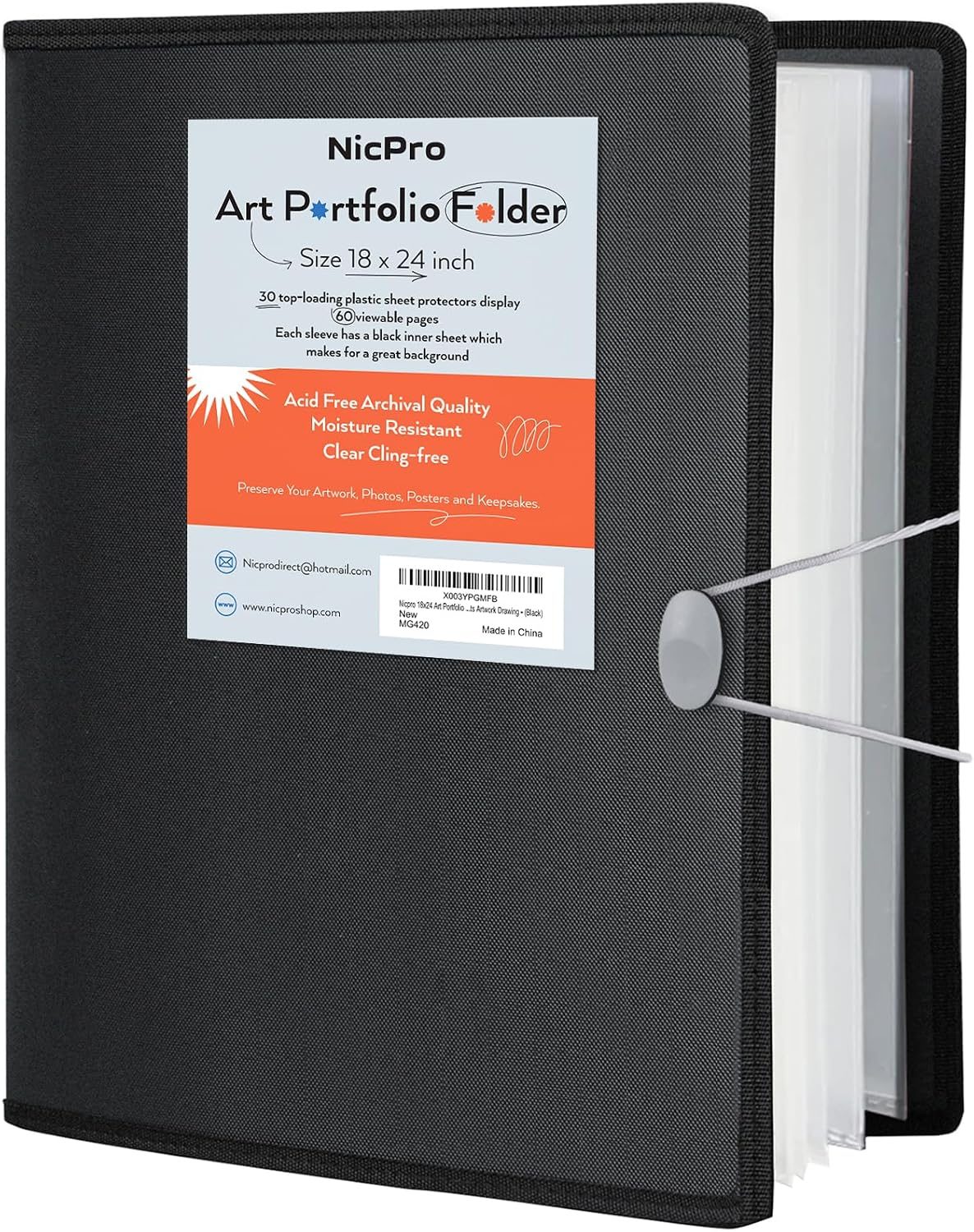
📷 Photo by amazon.ca
The journey toward finding the right representation is a marathon, not a sprint. Your style will evolve, and your portfolio will grow. Keep creating, keep refining your pitch, and remain open to feedback. The right agency will eventually see the value you bring to their roster, provided you continue to show up with high-quality work and a professional attitude. Stay focused on your long-term growth, and use the process of outreach as a way to refine your own understanding of the market.
📷 Photo by amazon.ca