

Innerspark.us – Pricing a mural project effectively requires choosing between a per-square-foot model for predictable, large-scale walls or a daily rate for complex, detail-oriented artistic commissions. Balancing these methods ensures you cover your overhead costs while remaining competitive in the professional art market.
Understanding the Per Square Foot Model
📷 Photo by amazon.com
The per-square-foot pricing strategy is the industry standard for commercial murals and large-scale public art. This method provides a clear, objective metric that clients understand immediately. It works best when the design is straightforward, such as typography, geometric patterns, or large-scale brand graphics, where the production time is relatively predictable.
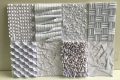
To calculate this, you must first determine your minimum acceptable rate per square foot based on your experience level and location. A common mistake is failing to account for the complexity of the surface. A rough brick wall takes significantly longer to paint than smooth drywall, yet both occupy the same square footage. Always conduct a site visit before finalizing a square-foot price to assess the surface texture and accessibility.
📷 Photo by murals.shop
The Daily Rate Approach for Artistic Freedom
The daily rate model is superior for highly detailed, illustrative, or custom fine-art murals where the duration is difficult to estimate. When a client requests a hyper-realistic portrait or a complex narrative scene, you are essentially selling your time rather than the final physical output. This protects you against “scope creep,” where a client keeps requesting minor adjustments that significantly extend your labor hours.
When using a daily rate, you must be transparent about what is included. Does your day rate cover prep time, material sourcing, and cleanup? Typically, a professional muralist’s daily rate should cover labor, studio overhead, and a buffer for unexpected delays like inclement weather or equipment failure.
Comparative Analysis of Pricing Models
| Feature | Per Square Foot | Daily Rate |
|---|---|---|
| Best For | Large, simple designs | Complex, detailed art |
| Client Perception | Easy to budget | Higher perceived value |
| Risk of Scope Creep | High | Low |
| Predictability | High for artist | High for client |
Step-by-Step Guide to Calculating Your Quote
Following a structured process prevents underpricing and ensures your business remains profitable. Use the following steps to build your next proposal:
- Assess the surface: Measure the total height and width, then add a 10% buffer for potential edges or surface irregularities.
- Calculate material costs: List every item needed, including primer, high-quality paint, brushes, rollers, drop cloths, and scaffolding rentals.
- Determine your labor hours: Estimate how long the design phase, surface preparation, actual painting, and finishing coats will take.
- Apply your chosen model: Multiply the square footage by your rate, or multiply your estimated total days by your daily rate.
- Add a contingency fee: Include an extra 15-20% for unforeseen issues such as wall repairs, poor weather conditions, or extra layers of paint needed for coverage.
- Submit the formal estimate: Present the final figure clearly, ensuring the client knows exactly what is included in the scope of work.
Common Pricing Mistakes to Avoid
Many emerging muralists fall into the trap of charging only for the paint and a small profit margin. This is a dangerous oversight. You must include your “hidden” costs, such as travel time to the site, insurance, administrative time spent emailing the client, and the depreciation of your equipment. If you neglect these, you are essentially paying for the privilege of working.
Another frequent error is failing to require a deposit. Never purchase materials or begin a project without a non-refundable deposit—usually 30% to 50% of the total budget. This deposit secures your commitment and ensures that you are not out-of-pocket if the client decides to cancel or postpone the project indefinitely.
Factors Influencing Your Final Price
Location is a primary driver of your pricing. Muralists in metropolitan areas with higher costs of living naturally command higher rates than those in rural areas. However, your portfolio and reputation are just as influential. As your demand increases, you should periodically raise your rates to reflect your status as an expert.
Complexity also plays a major role. A design that requires intricate line work, multiple color blends, or working at great heights via boom lift requires a significant premium. Never be afraid to adjust your pricing based on the physical difficulty of the labor involved. If a job requires working in 95-degree heat or on a busy street with high traffic, that discomfort should be factored into your total quote.
Frequently Asked Questions
Q: How do I handle clients who ask for a discount?
A: Stand firm on your pricing but offer flexibility in the scope. If they cannot meet your price, suggest reducing the size of the mural or simplifying the design to lower the material and labor costs.
Q: Should I include the cost of wall preparation in my quote?
A: Yes, always. If the wall is in poor condition, requires power washing, or needs a fresh base coat of primer, these are labor-intensive tasks that should be itemized and billed separately from the artistic portion of the mural.
Q: Is it better to charge a flat fee for everything?
A: A flat fee is essentially a disguised daily rate. It is excellent for professional reputation but requires extreme accuracy in your time estimation to ensure you do not end up working for less than minimum wage.
Final Thoughts on Business Growth
Pricing is not a static endeavor; it is a skill that evolves alongside your career. Every project you complete provides data on how long you actually take to finish a piece versus what you initially estimated. Use this information to refine your future quotes. By maintaining a professional approach to your pricing, you demonstrate value to your clients and ensure the long-term sustainability of your mural business.
📷 Photo by walmart.com